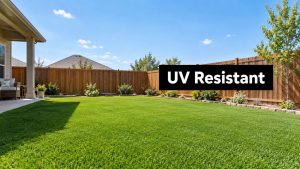

Imagine a lush, beautiful landscape that thrives in the Austin heat without constant watering and sky-high utility bills. It's not a dream—it's a reality our team at Modern Yard Landscapes creates for homeowners like you every day using the right low water landscaping plants.
For years, we've seen Austin homeowners battle the endless cycle of watering, mowing, and fertilizing, only to watch their lawns struggle under the Texas sun. Our experience has shown us there's a better way.
This guide, backed by our years of local experience, introduces eight incredible, drought-tolerant plants that we know not only survive but flourish in our unique climate. We'll show you how we pair them with modern solutions like high-quality artificial turf to create a stunning, sustainable, and virtually maintenance-free outdoor oasis.
Stop fighting your landscape and start enjoying it. Our team is ready to help. Let's explore the plants that make it possible.
Looking for more inspiration on transforming your outdoor space? Check out these premium outdoor kitchen ideas to complement your new low-water design.
Ready to see what's possible for your property? Call Modern Yard Landscapes today at [Your Phone Number]. Our expert designers are ready to provide a free consultation and help you take the first step toward a yard that works for you, not against you.
1. Texas Privet (Forestiera texana)
Texas Privet earns its spot among the best low water landscaping plants because our design teams consistently recommend it to Austin homeowners who want genuine curb appeal without constant upkeep. Native to Central Texas, this deciduous to semi-evergreen shrub settles into the Hill Country climate like it was born here—because it was.
Based on our installation experience, once established, Forestiera texana requires zero supplemental irrigation. Its deep root system digs in within the first 1-2 seasons, making it remarkably self-sufficient during Austin's brutal summer stretches.
What Makes It Work
In spring, delicate white flowers blanket the branches and draw native pollinators. Through the rest of the year, the dense branching structure provides visual substance to your yard without demanding attention.
As our landscape architect often says, "Texas Privet bridges the gap between practical water conservation and genuine landscape beauty—no sacrifice required."
Practical Planting Guidance
- Sun: Full sun to partial shade for optimal flowering
- Spacing: We recommend 4-6 feet apart for screens or hedges
- Establishment: Water deeply twice weekly for the first 4-6 weeks only
- Mulch: Apply 2-3 inches to lock in soil moisture during establishment
- Pruning: Light trimming after flowering keeps shape without stressing the plant
Real-World Applications
We have successfully used Texas Privet in countless local projects. Native habitat restoration projects across the Texas Hill Country rely on it heavily. North Austin residential communities use it for drought-resistant hedge plantings that look manicured without weekly watering. Our modern landscape designs often feature it alongside artificial turf to provide natural focal points.
Pairing with Artificial Turf
Texas Privet makes an excellent companion to synthetic grass installations. The shrub provides organic texture and seasonal interest while artificial turf handles the open lawn areas—together creating a yard that looks alive and intentional. This combination, which we specialize in, slashes water bills dramatically.
For homeowners ready to reimagine their outdoor space with low water landscaping plants that actually thrive in Central Texas, combining native shrubs with a professional turf installation from our team delivers lasting results. Learn more about drought-resistant lawn alternatives that we frequently pair with native plantings like Texas Privet.
2. Desert Rose (Adenium obesum)
Desert Rose has earned its reputation among the most striking low water landscaping plants we recommend to Austin homeowners. Originally from the arid regions of Africa and the Arabian Peninsula, this succulent shrub thrives in hot, dry conditions and delivers dramatic visual impact without demanding much from your water supply. Its swollen caudex trunk stores moisture, making it remarkably self-sufficient once our team has helped it get established.

During the growing season, Desert Rose produces spectacular trumpet-shaped blooms in magenta, pink, or white that draw the eye from every angle. We love using its architectural form to add year-round structure to our designs, even when flowers are not present.
From our perspective, Desert Rose proves that water-wise landscaping can still deliver head-turning beauty without compromise.
Practical Planting Guidance
- Sun: Full sun with a minimum of 6 hours daily for maximum flowering
- Soil: We ensure a well-draining sandy mix with perlite or coarse sand to prevent root rot
- Watering (growing season): Deep water May through September, allowing soil to dry completely between sessions
- Winter care: Reduce watering to near-zero during dormancy
- Cold protection: Move container specimens indoors when temperatures drop below 40°F
- Mulch: Establish drought-tolerant groundcovers around the base to reduce soil moisture loss
Real-World Applications
South Austin homeowners we've worked with have embraced Desert Rose specimens in xeriscaped front yards, where the sculptural forms anchor entire landscape designs. Commercial properties throughout the area use container-grown Desert Rose plantings in entryways to create polished, professional curb appeal. Across the Texas Hill Country, our high-desert landscape designs feature this plant as a bold focal point against natural stone and gravel backdrops.
Pairing with Artificial Turf
Desert Rose makes an exceptional companion to synthetic grass installations. Our designers position individual specimens strategically against an artificial turf background, and the vivid blooms and sculptural trunks pop with stunning contrast. The surrounding turf stays pristine and green year-round without a single drop of water, while the Desert Rose adds an organic character that synthetic materials alone cannot achieve.
For Austin homeowners seeking low water landscaping plants that create genuine visual drama, combining Desert Rose with a professional artificial turf installation delivers a yard that turns heads and stays affordable. Get started with a free consultation and let us show you how this pairing could work in your space.
3. Esperanza (Tecoma stans)
Esperanza, commonly called Yellow Bells, delivers some of the most dramatic floral displays you will find among low water landscaping plants suited for Austin properties. We love this vigorous tropical shrub because it produces clusters of brilliant golden-yellow trumpet flowers from late spring through fall, creating a visual punch that few drought-tolerant species can match.
Once our team has established it in your yard, Tecoma stans thrives on minimal supplemental irrigation. Its deep root system sustains lush green foliage even during Austin's hottest months, and in most local winters the leaves stay intact without protection.
What Makes It Work
Few plants offer this combination of size, color, and water efficiency. Esperanza reaches 8-10 feet at maturity, making it a natural choice for property owners who need substantial screening or a bold focal point. The warm-season bloom cycle keeps your yard looking intentional when many other plants have given up.
Our clients often tell us how Esperanza proves that choosing low water landscaping plants does not mean settling for a sparse or boring yard.
Practical Planting Guidance
- Sun: Full sun for maximum flower production
- Spacing: We suggest 6-8 feet apart for screens or mass plantings
- Establishment: Water weekly during the first growing season only
- Post-establishment: Reduce to once monthly after 12-18 months
- Pruning: Cut back in early spring before new growth emerges
- Winter care: Remove frost-damaged stems in late spring after the last freeze
- Mulch: Apply 2-3 inches of coarse material around the base to reduce evaporation
Real-World Applications
We have installed Esperanza in North Austin neighborhoods as natural privacy screens that outperform traditional fencing. In South Austin, our xeriscaped garden designs mix it with native species for layered, textured plantings. Commercial properties across the city rely on it for foundation color that requires zero irrigation once mature.
Pairing with Artificial Turf
Esperanza and synthetic grass make a powerful combination. The shrub provides height, movement, and seasonal color while artificial turf eliminates grass competition for water in surrounding areas. Together they create a polished, low-maintenance landscape that we know holds up through Central Texas summers.
Property owners ready to invest in low water landscaping plants that deliver real visual impact should consider how Esperanza fits into a broader design plan. Learn more about drought-resistant lawn alternatives that complement bold plantings like Yellow Bells and schedule a consultation with our experts to see what works for your property.
4. Autumn Sage (Salvia greggii)
Autumn Sage is a native Texas perennial shrub that embodies the low water landscaping plants philosophy without compromise. Its delicate tubular flowers burst into vibrant reds, pinks, oranges, and bi-color combinations throughout the growing season, pulling hummingbirds and butterflies into your yard while requiring virtually zero supplemental water once established by our team.

This compact, well-behaved shrub thrives in Austin's clay soils, bakes through summer heat without complaint, and keeps blooming when most other plants have given up. Modern Yard Landscapes recommends Autumn Sage constantly for residential clients who want sustainable, native plantings that cut water use without sacrificing curb appeal.
What Makes It Work
Salvia greggii handles full sun exposure and Austin's seasonal swings with ease. The plant stays compact and tidy, rarely exceeding 2-3 feet in height, making it ideal for borders, mass plantings, and container arrangements. Hummingbirds depend on its nectar during migration, so you get wildlife habitat alongside water savings.
We believe Autumn Sage proves that conservation and beauty coexist. One well-placed cluster delivers more visual punch than a thousand square feet of thirsty turf grass.
Practical Planting Guidance
- Sun: Full sun minimum 6 hours for peak flowering and tight growth habit
- Spacing: 2-3 feet apart in mass plantings for a seamless color display
- Establishment: Water deeply 2-3 times weekly for the first 4-6 weeks only
- Root Development: We help you reduce watering gradually over 6-12 months to push roots deeper
- Pruning: Cut back to half-height in late winter to promote bushier spring growth
- Fertilization: Skip heavy feeding. It encourages weak, leggy stems instead of compact structure
Real-World Applications
Austin homeowners are putting Autumn Sage to work in pollinator gardens that support hummingbird migration corridors. Residential xeriscaped landscapes use it as native plant borders that frame hardscape features. Patio container plantings at entryways create seasonal color without demanding a drop of extra water.
Pairing with Artificial Turf
Autumn Sage and synthetic grass are a natural combination, and one of our favorite pairings. The shrub provides organic movement and seasonal color interest at the edges while artificial turf handles open lawn areas. Together they create a yard that looks intentional and alive. This pairing slashes water bills dramatically.
For homeowners ready to reimagine their outdoor space with low water landscaping plants that actually thrive in Central Texas, combining native shrubs like Autumn Sage with a professional turf installation from our team delivers lasting results. Learn more about drought-resistant lawn alternatives that pair perfectly with native plantings.
5. Yaupon Holly (Ilex vomitoria)
Yaupon Holly stands as one of the most reliable low water landscaping plants available to Austin homeowners who refuse to compromise on appearance. This native evergreen shrub delivers year-round color, wildlife support, and screening capability without demanding a drop of supplemental water once settled in. Our crews have seen first-hand how it thrives.
Ilex vomitoria thrives across Texas in conditions that would kill less adapted species. Poor soil, blazing sun, and extended dry spells barely register as challenges for this tough native.
What Makes It Work
Spring brings clusters of small white flowers that attract native pollinators throughout the neighborhood. By fall, female plants load up with bright red berries that persist through winter, feeding songbirds when other food sources disappear. The dense evergreen foliage maintains its deep green color regardless of temperature swings or drought stress.
We tell our clients that Yaupon Holly proves that water-wise landscaping can still deliver the lush, full look Austin homeowners expect from their outdoor spaces.
Practical Planting Guidance
- Sun: Full sun to partial shade for best berry production
- Spacing: 3-4 feet apart for hedgerows and privacy screens
- Establishment: Water consistently through the first growing season
- Soil pH: We test before planting; add sulfur if pH exceeds 7.5 to prevent yellowing leaves
- Pruning: Late winter shaping removes any winter damage and maintains form
- Cultivar Selection: Our designers help you choose female varieties like 'Schilling's Dwarf' for heavy berry displays; male 'Pendula' offers graceful weeping structure
Real-World Applications
Central Texas homeowners already rely on Yaupon Holly for native hedgerows that provide genuine privacy without constant maintenance. Wildlife restoration projects throughout the Hill Country incorporate it heavily for habitat value. Residential neighborhoods across Austin use it as evergreen screening that stays attractive through every season.
Pairing with Artificial Turf
Yaupon Holly and synthetic grass create a combination that looks intentionally designed while consuming almost zero water. The shrub adds height, texture, and seasonal color to beds bordering artificial turf installations. Together they produce a yard that appears fully landscaped without the irrigation demands of traditional plantings.
For homeowners exploring low water landscaping plants that deliver real results in Austin's climate, Yaupon Holly offers proven performance backed by decades of native growth across the region. Learn more about low-maintenance landscaping shrubs that our team can pair beautifully with professional turf installation for a yard built to last.
6. Pride of Barbados (Caesalpinia pulcherrima)
Pride of Barbados delivers the kind of show-stopping color that makes neighbors stop and stare, earning its place among the best low water landscaping plants for Austin homeowners who refuse to sacrifice beauty for conservation. This tropical shrub produces extravagant orange and red blooms with dramatic red stamens that look like they belong at a resort, not a water-wise yard.
Once established by our team, Caesalpinia pulcherrima thrives on neglect. Its deep taproot system handles Austin's scorching summers without complaint, and the feathery, fern-like foliage stays attractive even between bloom cycles.
What Makes It Work
Few plants can match the visual impact Pride of Barbados brings to a landscape. The fine-textured leaves provide delicate contrast against bolder plantings, while those fiery flower clusters create focal points that anchor entire garden designs. Modern Yard Landscapes clients consistently choose this specimen for its ability to deliver tropical aesthetics without the tropical water bill.
In our experience, Pride of Barbados proves that dramatic color and responsible water use can coexist beautifully in Central Texas landscapes.
Practical Planting Guidance
- Sun: Full sun, 8+ hours daily, for maximum flowering
- Spacing: 6-8 feet apart as specimens or grouped plantings
- Soil: We amend with sand and perlite to ensure excellent drainage
- Establishment: Water deeply 2-3 times weekly during the first growing season
- Maintenance: Reduce to once monthly after root establishment
- Pruning: Cut back in early spring to control size and shape
- Winter care: Remove frost-damaged stems after the last freeze passes
- Deadheading: Remove spent flowers to encourage continuous bloom
Real-World Applications
South Austin poolside installations we've completed use Pride of Barbados to create resort-style surroundings that feel lush without constant irrigation. Commercial properties across the city rely on it for accent plantings that draw attention while keeping water costs manageable. Our mixed xeriscaped gardens pair it with native specimens for layered, textured designs. Contemporary landscape projects use single specimens as bold focal points that anchor minimalist hardscape layouts.
Pairing with Artificial Turf
Combining Pride of Barbados with synthetic grass installations creates outdoor spaces that feel tropical and intentional. The shrub provides organic movement and seasonal color while artificial turf covers open areas with zero water demand. Together, they slash utility bills dramatically.
For homeowners ready to reimagine their outdoor space with low water landscaping plants that actually thrive in Central Texas, combining native shrubs with a professional turf installation from our experts delivers lasting results. Learn more about low-maintenance backyard landscaping that pairs perfectly with showstopping specimens like Pride of Barbados.
7. Rosemary (Rosmarinus officinalis)
Rosemary earns its place among the best low water landscaping plants because it delivers both function and beauty, a combination we love to incorporate in our designs for Austin homeowners. This Mediterranean native has settled into Central Texas with surprising ease, delivering fragrant evergreen structure and a steady harvest of culinary herbs through scorching summers.
Once our team helps it get established, Rosmarinus officinalis operates on virtually zero supplemental water. Its wiry, needle-like leaves minimize moisture loss, while deep roots anchor it firmly in poor, rocky soils that would defeat most ornamental shrubs.
What Makes It Work
From late winter into spring, rosemary produces delicate flowers in shades of blue, pink, purple, or white. These blooms attract native bees and butterflies, adding ecological value to its practical benefits. The aromatic foliage releases its signature scent with every brush against the plant, making it a sensory anchor in any garden space we design.
We often say that Rosemary bridges the gap between a working kitchen garden and a refined landscape planting—without asking for a drop of extra water.
Practical Planting Guidance
- Sun: Full sun minimum 6 hours for dense growth and maximum flowering
- Drainage: This is critical – our crews amend Austin clay soils with coarse sand and perlite
- Establishment: Water deeply 2-3 times weekly for first 4-6 weeks only
- Long-term water: We'll guide you on transitioning to monthly deep soaking, then zero supplemental irrigation within 12-18 months
- Pruning: Trim every 6-8 weeks during growing season to maintain compact form
- Harvest: Regular culinary picking naturally encourages bushier branching
Cultivar Selection for Specific Uses
Choosing the right variety matters for your intended application, and our designers can help. 'Tuscan Blue' grows upright to 6 feet, ideal for hedges and screens. 'Huntington Carpet' stays low at 12 inches with a trailing habit, perfect for slopes and groundcover. 'Arp' offers superior cold hardiness for upright specimens exposed to winter winds.
Real-World Applications
We have used rosemary in countless Austin residential properties. Culinary herb gardens thrive alongside patios where homeowners snip fresh sprigs for cooking. Our Mediterranean-inspired plantings combine rosemary with lavender and santolina for cohesive, water-wise beds. Slope stabilization projects rely on trailing cultivars to hold soil on embankments. Contemporary commercial landscapes incorporate edible elements that serve dual purposes.
Pairing with Artificial Turf
Rosemary integrates beautifully with synthetic grass installations. The shrub provides organic texture, seasonal blooms, and fragrance while artificial turf maintains clean, green open areas. Together they create outdoor spaces that feel lush and intentional without demanding constant irrigation. This combination makes practical sense for Austin's water restrictions and busy homeowners alike.
For property owners looking to reduce consumption while maintaining attractive outdoor spaces, rosemary delivers proven results. Learn more about reducing water usage in your landscape and discover how our team can integrate edible plantings to replace thirsty turf areas.
8. Lantana (Lantana horrida and L. camara)
Lantana has earned its reputation as one of the most reliable low water landscaping plants we recommend for Austin properties that demand color without compromise. This heat-loving shrub pumps out dense clusters of small, vibrant flowers from spring through first frost, drawing hummingbirds and butterflies to your yard all season long.

Native Lantana horrida thrives in Central Texas conditions, while ornamental hybrids expand your color palette with pinks, oranges, yellows, and purples. Both types establish quickly, shrug off poor soil, and require essentially zero supplemental water after the first growing season.
What Makes It Work
Few plants deliver this much visual impact for so little water investment. Lantana's dense flowering habit creates a living carpet of color that holds up through Austin's hottest months when most other plants struggle. The constant bloom cycle means your yard looks intentional and cared for year-round.
We've found that Lantana proves that water-wise landscaping doesn't mean sacrificing color or pollinator habitat.
Practical Planting Guidance
- Sun: Full sun, minimum 6 hours daily for dense growth and prolific flowering
- Spacing: We suggest 3-4 feet apart in mass plantings for visual impact
- Establishment: Water deeply 2-3 times weekly for the first 4-6 weeks only
- Water reduction: Gradually reduce frequency; achieve zero-supplemental water within 12 months
- Pruning: Cut back heavily in late winter to encourage bushier spring growth
- Deadheading: Remove spent flower clusters to encourage continuous blooming
- Self-seeding: Monitor for unwanted seedlings and remove seed heads if needed
Real-World Applications
Pollinator gardens we design in Austin rely on Lantana to attract hummingbirds and butterflies throughout the warm season. Commercial properties use it for season-long color plantings that look sharp without irrigation budgets. Our mixed borders combining Lantana with other drought-tolerant species create layered, textured landscapes that feel designed rather than defaulted.
Pairing with Artificial Turf
Lantana and synthetic grass make a powerful combination. The shrub delivers organic color and pollinator activity while artificial turf covers open lawn areas without a drop of water. Together, they create a yard that looks alive, intentional, and completely sustainable in Central Texas.
For homeowners ready to build a landscape that thrives on minimal water, combining Lantana with a professional turf installation from our team delivers results you can see and savings you can measure. Learn more about drought-resistant lawn alternatives that pair perfectly with vibrant plantings like Lantana.
8-Plant Low-Water Landscape Comparison
| Plant | 🔄 Implementation complexity | ⚡ Resource requirements | 📊 Expected outcomes & ⭐Quality | Ideal use cases | 💡 Key advantages / Tips |
|---|---|---|---|---|---|
| Texas Privet (Forestiera texana) | Moderate — soil prep for drainage; 1–2 seasons to establish | Low after ~12 months; deep roots; water deeply during initial 4–6 weeks; space 4–6 ft | ⭐⭐⭐ Reliable privacy screen; spring white flowers; semi‑evergreen | Privacy hedges, native borders, transitional zones by artificial turf | Native, drought‑tolerant; plant full sun–partial shade; mulch 2–3" and prune lightly after flowering |
| Desert Rose (Adenium obesum) | Moderate — requires excellent drainage and winter protection; slow growth | Minimal after establishment; 1–2x weekly in growing season; near‑zero in winter; container option | ⭐⭐⭐ Dramatic focal specimen; long‑lived; spectacular magenta/pink/white blooms | Focal specimens, containers, xeriscapes, contrast against artificial turf | High visual impact with low water; frost‑sensitive — protect <40°F; avoid overwatering; toxic sap |
| Esperanza (Tecoma stans) | Low — easy to establish; prune to control vigorous growth | Low after 12–18 months; weekly then monthly deep waterings during establishment | ⭐⭐⭐ Prolific long bloom (May–Nov); rapid growth for screening | Large privacy screens, mass plantings, hummingbird gardens | Exceptional flower display and fast coverage; plant full sun; space 6–8 ft; prune in early spring |
| Autumn Sage (Salvia greggii) | Low — native, compact, straightforward maintenance | Very low after 6–12 months; minimal watering once established | ⭐⭐ Strong pollinator magnet; extended seasonal color; compact habit | Pollinator borders, containers, small‑space gardens, erosion control | Native and very drought‑tolerant; cut back late winter; avoid excess fertilizer; space 2–3 ft |
| Yaupon Holly (Ilex vomitoria) | Moderate — consistent establishment watering; female plants needed for berries | Low after 12–18 months; moderate watering while establishing; tolerant of clay soils | ⭐⭐⭐ Evergreen structure year‑round; red winter berries on female plants | Evergreen hedges, wildlife habitat, foundation plantings | Evergreen, wildlife‑supporting; select female cultivars for berries; test pH and amend if >7.5; space 3–4 ft |
| Pride of Barbados (Caesalpinia pulcherrima) | Low–Moderate — frost‑tender; needs good drainage; may self‑seed | Low after 12–18 months; deep watering initially then monthly | ⭐⭐⭐ Exotic, showy orange/red blooms; rapid growth and tropical texture | Poolside, tropical accents, commercial focal plantings | High visual drama with low water need; plant full sun 8+ hrs; amend for drainage; manage self‑seeding |
| Rosemary (Rosmarinus officinalis) | Low — easy if drainage is good; benefits from regular pruning | Very low after 6–12 months; essentially zero supplemental water once established | ⭐⭐⭐ Evergreen, aromatic, dual culinary/ornamental function | Herb gardens, Mediterranean plantings, erosion control, containers | Edible and drought‑tolerant; ensure excellent drainage; prune/harvest regularly to encourage branching |
| Lantana (Lantana spp.) | Low — rapid establishment; requires seasonal pruning to avoid legginess | Very low after 6–12 months; tolerant of poor soils and heat | ⭐⭐⭐ Long bloom season, rapid color, strong pollinator attraction | Pollinator gardens, quick color borders, slope stabilization, mass plantings | Fast, low‑cost color; plant full sun; prune late winter and deadhead; monitor/remove unwanted seedlings (self‑seed risk) |
Ready to Create Your Own Water-Wise Paradise?
You've just discovered eight exceptional low water landscaping plants that thrive in Austin's demanding climate. From the structural elegance of Texas Privet to the fiery blooms of Pride of Barbados, each selection offers something distinct for your property.
But here's what separates a good landscape from a great one: professional integration. The magic happens when drought-tolerant plants meet smart hardscaping, quality artificial turf, and a thoughtful design crafted by experienced professionals.
Why Expert Design Matters
Choosing the right plants is only half the equation. Our expertise in placement, soil preparation, drainage, and pairing with complementary materials is what determines whether your landscape flourishes or struggles.
Our team considers these factors on every project:
- Sun exposure mapping ensures each plant lands in its ideal spot
- Root zone planning prevents competition between species
- Hardscape integration creates visual flow and functional outdoor living spaces
- Irrigation efficiency targets water only where truly needed
A well-designed water-wise landscape from Modern Yard Landscapes can reduce your outdoor water consumption by 50-75% compared to traditional turf lawns. We've seen it time and time again.
The Bigger Picture
Austin homeowners face rising water costs and increasing restrictions. Every square foot of thirsty grass you replace with low water landscaping plants or artificial turf puts money back in your pocket. Commercial properties benefit from reduced maintenance budgets and improved curb appeal year-round.
Pet owners take note: a thoughtfully designed yard supports your whole household. For those also focused on pet wellness, explore best probiotics for pets to support your garden's ecosystem and your furry companion's health.
Your Next Move
You don't need to figure this out alone. The difference between a patchwork yard and a cohesive outdoor space comes down to experience and execution. That's where we come in.
Modern Yard Landscapes specializes in combining drought-tolerant plantings with premium artificial turf and hardscaping to create landscapes that look stunning with minimal upkeep. Our team has the local expertise to transform your vision into a beautiful, sustainable reality.
Ready to see what's possible? Call us today at [Your Phone Number] or visit Modern Yard Landscapes to schedule your complimentary consultation and start building the yard you've been imagining.