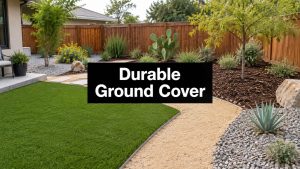

You're probably looking at the same backyard issues most Austin homeowners deal with. Brown grass by midsummer. Mud where water sits too long. A patio that feels disconnected from the rest of the yard. Weekend chores that keep piling up even though the space still doesn't look finished.
That's not a homeowner problem. It's a design problem.
A good backyard in Austin shouldn't ask you to fight the climate every week. It should be built for heat, dry stretches, hard rain, foot traffic, pets, and the fact that many homeowners don't want to spend Saturdays mowing, edging, fertilizing, and replacing dead plants. Low maintenance backyard landscaping works when every part of the yard supports the same goal: less water, less labor, less mess, and a cleaner look all year.
Tired of Your High-Maintenance Austin Yard?
You walk outside on Saturday planning to relax, and the yard hands you another job list. Dead patches. Washed-out beds. A soggy corner near the fence. A strip of grass the dog has turned into dust. By July, a lot of Austin backyards feel less like an asset and more like a monthly bill.
That usually comes from one problem. The yard was never built as a system.
Austin exposes weak design fast. Too much thirsty grass, scattered planting beds, cheap materials, and poor drainage create a backyard that keeps demanding water, repairs, and weekend labor. You can keep swapping plants and adjusting sprinklers, but patchwork fixes rarely lower the workload for long. They just move it around.
The right move is to cut the parts of the yard that keep failing and replace them with materials and layouts that hold up in Central Texas. That means using durable surfaces where traffic is heavy, limiting real grass to areas that actually need it, solving runoff before it ruins the finish, and installing products that stay clean and usable through heat, drought, dogs, and hard rain. If drainage is part of the problem, start with a plan to fix backyard drainage issues before they spread.
Here's the rule I give homeowners. If one area needs weekly rescue, the design is wasting your time and money.
A better Austin yard pays you back. You spend less on water, less on replacement plants, and far fewer hours mowing, edging, cleaning mud off the patio, or reseeding worn-out spots. High-grade artificial turf, properly installed gravel, native planting, and hardscape that carries traffic do more than improve the look. They reduce upkeep at the source.
What a better Austin backyard looks like
A yard built for lower upkeep usually includes a few smart changes:
- Less lawn: Keep soft surface only where kids, pets, or daily use justify it.
- More hard-working surfaces: Patios, paths, and gravel zones should solve circulation and cut dead space.
- Plants that fit Austin: Native and drought-tolerant choices hold color and structure without constant babying.
- Targeted watering: Irrigation should support priority zones, not soak the whole yard out of habit.
- Materials that last: Premium turf and well-installed base materials prevent the cycle of patch, replace, repeat.
When we walk a backyard with a homeowner, we're looking for friction points. Where are you losing water? Where are you paying for upkeep without getting a usable space back? Where does the yard keep breaking down under normal use?
Fix those points, and the yard gets easier almost immediately.
Assess Your Backyard Like a Professional
Walk into your backyard after a hard Austin rain, then again at 5 p.m. in August. You'll see the truth fast. One area stays muddy, another turns into a heat trap, and the strip along the fence keeps demanding work without giving you anything useful back.
That is the starting point.
Before you choose turf, gravel, plants, or pavers, figure out what the yard is doing wrong right now. Material selection comes second. Diagnosis comes first. Get that order wrong and you pay for the same problem twice.
Start with a legal pad, your phone camera, and one blunt question: what is costing me time, water, or repair money out here?

Track sun, shade, and heat
Watch the yard at three points in the day. Morning, early afternoon, late afternoon. Austin backyards change fast, and a spot that feels fine before noon can become unusable by dinner.
Pay attention to more than sunlight. Notice reflected heat off fences, stone, and patios. Notice where the air feels still and where it cools off. Those details decide whether a surface stays comfortable, whether a plant bed survives, and whether you keep spending money trying to force the wrong material into the wrong zone.
Write it down. The cool corner, the scorched patch, the place nobody uses because it always feels harsh. Those notes become the design plan.
Look for drainage problems, not just puddles
Bad drainage rarely announces itself with a giant pool of water. It usually shows up as erosion along the fence, mulch pushed out of beds, muddy pet runs, stained concrete, or soil that stays soft long after the rest of the yard dries.
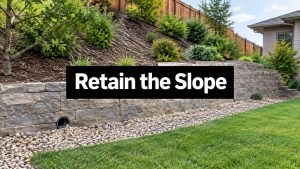
If water moves toward the house, sits near the patio, or cuts a path across the yard, fix that first. Otherwise every upgrade on top of it becomes a short-term patch.
If your yard already struggles after rain, review these yard drainage repair options for Austin homes before you spend money on cosmetic upgrades. A clean finish never lasts over bad grading.
Find the shapes that create weekly work
A lot of backyard maintenance is self-inflicted by poor layout. Thin strips of turf along a fence. Tiny beds dropped into random corners. Curves that look nice on paper but force trimming every weekend.
Cut those problem areas without mercy.
Use larger planting zones, cleaner edges, and wider circulation paths. Group functions together so every zone has a job. In Austin, the best low-upkeep yards are simple to move through and simple to service. That is what saves time over the next five to ten years.
Here's a good rule. If one awkward section needs a string trimmer, a blower, and constant attention, remove or rebuild that section.
Check soil and wear patterns
Central Texas soil can be brutal on a traditional lawn. Compaction, rock, runoff, and shallow topsoil all push homeowners into a cycle of watering, reseeding, and repair. That is not a discipline problem. It is usually a design problem.
Now look at traffic. Where does the dog pace? Which gate gets used every day? Where do kids cut across the yard instead of following the path you thought made sense? Those worn lines matter. They show you where durable materials, hard surfaces, or high-grade artificial turf will pay for themselves.
A professional assessment connects all of it. Sun exposure affects comfort. Drainage affects surface life. Soil affects plant performance. Traffic affects what holds up and what fails. Read those conditions correctly and you can build a backyard system that cuts upkeep, lowers water waste, and holds its value instead of slowly draining your weekends.
Build Your Low-Maintenance Foundation
A low-upkeep backyard is built from the ground up. In Austin, that means choosing materials that handle heat, dry spells, runoff, pets, and daily wear without turning into a weekly repair project. The right foundation cuts water waste, reduces replacement costs, and gives you a yard that stays usable year-round.
Keep the material palette tight. Use durable surfaces where traffic is heavy, plantings where they add structure and shade relief, and turf only where a green surface earns its keep.

Native and drought-tolerant plants
Planting should support the yard, not burden it. In Austin, the best beds are simple, massed, and easy to irrigate. They hold soil in place, reduce weed pressure, and give the yard enough softness to keep hard surfaces from feeling stark.
Use fewer plant varieties and repeat them in larger groupings. That approach looks cleaner and cuts replacement headaches. Scattered accent plants do the opposite. They create more edging, more hand watering, and more spots where weeds and bare soil creep in.
A strong planting bed handles three jobs at once:
- Shields exposed soil: Less bare ground means less erosion and fewer weeds.
- Takes the heat: Drought-tolerant selections hold up through Austin summers with far less intervention.
- Cuts routine upkeep: Larger, consolidated beds are faster to mulch, prune, and clean.
Hard surfaces that earn their footprint
Every square foot should justify itself. Patios, gravel utility strips, stepping paths, and service access routes remove problem areas from the chore list and make the yard easier to use.
Stop trying to force lawn into places that fail year after year. Put a solid path where people walk. Use gravel or pavers in narrow side yards. Expand patio space where furniture, grills, and foot traffic already belong. Those decisions do more than clean up the layout. They reduce mowing, trimming, muddy spots, and irrigation demand.
Good hardscape also protects your investment. It controls circulation, limits wear on planted areas, and gives crews a cleaner structure to maintain.
Artificial turf in the right zones
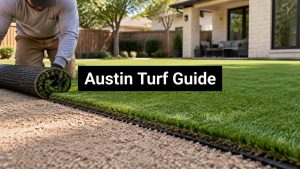
High-grade artificial turf works best as a targeted solution, not a blanket answer. In Austin yards, it makes the most financial sense in play areas, pet runs, and the visible lawn space near the patio where dead grass looks bad fast and natural turf usually demands the most water and repair.
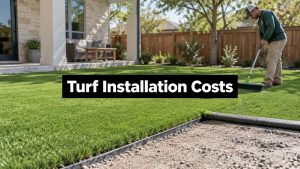
Installation quality decides whether turf saves you time or becomes an expensive mistake. The base, drainage plan, edges, seam work, and infill all matter. If you are comparing products, review these synthetic grass base materials and installation foundations before you make a decision.
One practical option for homeowners evaluating this route is Modern Yard Grounds, which installs residential and commercial artificial turf, putting greens, dog runs, drainage, and related outdoor improvements in Austin.
Homeowners in other dry-climate markets often reach the same conclusion. These expert tips for Prescott backyards reinforce the same principle. Put durable materials where the climate and traffic are hardest on a yard.
Compare the main ground-cover choices
| Feature | Artificial Turf | Native Plant Beds | Hardscape (Gravel/Patios) |
|---|---|---|---|
| Everyday appearance | Consistent green surface | Layered, natural look | Clean, structured finish |
| Water demand | Very low after installation | Low when planted appropriately | Minimal |
| Weekly chores | Occasional cleanup | Periodic trimming and monitoring | Occasional debris removal |
| Best use | Play areas, pet zones, visual lawn spaces | Borders, screening, texture, color | Dining areas, walkways, utility zones |
| Common mistake | Poor base prep | Overplanting with too many varieties | Using it without drainage planning |
Investment view: The lowest-upkeep yard uses each material where it performs best and costs the least to maintain over time.
Budget matters, but so does what that budget buys. A well-designed backyard foundation costs more up front than patching the same failing areas every season. It also pays you back in lower water use, fewer repairs, and far less weekend labor. In Austin, that is the difference between a yard you manage and a yard that quietly does its job.
Design a Backyard for How You Actually Live
A backyard fails when it looks good in photos but fights your routine. The right layout starts with how your household moves, gathers, relaxes, and makes a mess. Once you know that, the zones become obvious.

For families with kids and dogs
This is one of the easiest layouts to get wrong. People put delicate planting near the play area, leave muddy gaps between the house and the fence, and expect one patch of natural grass to survive soccer, zoomies, and foot traffic.
A smarter design gives each use its own lane. A durable turf zone close to the house handles daily play. A separate pet run along the side yard keeps wear and waste from taking over the whole backyard. Plant beds sit at the perimeter where they add softness without becoming obstacles.
What matters most is separation without clutter. Kids need open space. Dogs need a route. Parents need visibility from the patio or kitchen windows.
For homeowners who entertain
If you host, your backyard should flow. Guests shouldn't step through mulch, squeeze around furniture, or cross a lawn that turns muddy after one storm.
That's where paths and surface transitions matter. Fine Gardening recommends main paths at 6 to 8 feet wide and secondary paths at 4 to 5 feet wide, with deep crushed gravel to suppress weeds and improve drainage in its guide to creating a low-maintenance garden layout. That advice is practical because it forces you to design movement intentionally.
Use wide paths where people gather and pass each other. Use secondary paths to connect gates, gardens, or utility zones. Keep the patio as the anchor, then let every zone branch off from it cleanly.
If you're planning a full backyard layout with seating, surfaces, lighting, and traffic flow, these outdoor living space design ideas for Austin homes are a useful reference point.
For golfers and hobby users
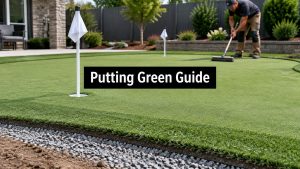
A putting green makes sense when it belongs to a larger plan. It shouldn't be dropped into the middle of a yard with no relation to the patio, walkways, or open space. Done right, it becomes a clean recreation zone that also sharpens the whole design.
The same logic applies to a yoga corner, a container garden pad, or a quiet seating area under shade. Build each one with a purpose. Give it a defined surface. Keep it easy to clean.
A low-maintenance backyard works better when every square foot has a job.
There's also value in looking at dry-climate design thinking outside Texas. If you want another regional perspective on heat-adapted layouts, these expert tips for Prescott backyards offer helpful ideas on reducing upkeep in similarly demanding conditions.
The biggest mistake I see is trying to make every part of the yard do everything. That creates conflict. Open play and quiet lounging need different surfaces. Pets and polished entertaining areas need boundaries. Utility space should look intentional, not accidental. Once you design by behavior instead of habit, the whole backyard gets easier to own.
The Simple Set It and Forget It Maintenance Plan
Saturday in Austin should not start with a mower, a hose, and a growing list of yard problems. If your backyard still demands weekly rescue work, the system is wrong.
Low maintenance means fewer moving parts, fewer failure points, and a short routine you can keep. The payoff is practical. You spend less on water, less on cleanup, and far less time chasing the same issues every month.
What a high-upkeep yard keeps asking from you
A traditional grass yard creates recurring work whether you want it or not. Mowing. Edging. Fertilizing. Weed control. Sprinkler adjustments. Replacing heat-stressed plants. Scrubbing dirt and grass clippings off patios and walkways after rain or heavy use.
That cycle never really ends in Austin. Heat, drought pressure, sudden storms, and long growing seasons keep the yard in a constant state of demand. As noted earlier, even low-upkeep yards still need attention. The smart move is to reduce the frequency and the mess.
What the maintenance plan should look like
A well-built backyard should run on quick check-ins, not weekly labor. I recommend a simple schedule like this:
- Weekly: Blow off leaves, remove debris, and do a five-minute visual check for irrigation leaks or clogged emitters.
- Monthly: Rinse turf if you have pets, brush high-traffic areas if needed, and clean hard surfaces before dirt builds up.
- Seasonally: Trim plant material, refresh mulch where it has thinned out, inspect drainage, and reset any areas that shifted after storms.
That's the whole idea. Short tasks. Clear intervals. No constant recovery work.
High-grade artificial turf matters here. Cheap turf turns into another maintenance problem fast. It mats down, traps odor, and looks tired under Austin sun. A properly installed premium turf system with the right base and drainage cuts watering, cleanup, and repair work down to a level that finally feels worth the investment.
If you want a team to build that kind of system from the start, our residential backyard installation services are designed around long-term performance, not short-term curb appeal.
Why this plan works
Predictable upkeep is what gives you relief. You know what needs attention, how often it needs it, and how long it will take. That is very different from a yard that keeps surprising you with dead patches, runoff, mud, and broken sprinkler heads.
Large properties use the same logic at a bigger scale. This overview of professional grounds management is useful context. The principle is simple. Good material choices and smart installation reduce labor later.
The right backyard should save time every month, not ask for more of it.
I push clients toward durable surfaces, controlled planting zones, and irrigation that serves specific beds instead of soaking everything out of habit. That approach pays for itself in saved weekends and lower water waste. You walk outside, do a quick check, and get on with your day.
Your Backyard's Value and When to Call the Pros
A backyard project isn't just about looks. It's about buying back time, reducing waste, and ending the cycle of patch-and-repair spending that never really solves anything.
That's why I don't frame low maintenance backyard landscaping as a cosmetic upgrade. I frame it as an operating decision. You either keep paying in water, labor, and frustration, or you redesign the yard so it asks less from you.

DIY is fine until the hidden problems show up
Homeowners can absolutely spread mulch, plant shrubs, and lay a few stepping stones. That's not the hard part.
The hard part is getting the invisible work right. Base preparation. Slope correction. Water movement. Material transitions. Edge restraint. Access planning. Surface durability under heat, pets, and traffic. If those are wrong, the yard may look finished for a while, but it won't stay low maintenance. It will start asking for repairs.
Here's where DIY usually breaks down:
- Drainage gets ignored: Water ends up under turf, against hardscape, or near the house.
- Materials are mismatched: Soft surfaces erode into hard surfaces, and cleanup gets worse.
- Layout is inefficient: The yard looks busy but still doesn't function well.
- Installation shortcuts show: Seams lift, gravel migrates, edges fail, and weeds find openings.
Professional work changes the long-term outcome
A real low-maintenance backyard needs coordination. The grade, the drainage plan, the plant layout, the turf base, the hardscape transitions, and the access points all need to work together. That's what turns a nice-looking install into a durable one.
If you're evaluating whether to bring in help, review these residential landscaping services in Austin and compare them against the actual scope of your project. If your yard has slope, drainage issues, pets, heavy use, or multiple functional zones, professional planning usually saves money by preventing expensive rework.
What you're really paying for
You're not just paying for materials. You're paying for fewer mistakes. Better sequencing. Cleaner installation. Stronger drainage performance. Better wear over time. A yard that still looks intentional after real use.
That matters in Austin, where weather and soil expose shortcuts fast.
Hire a pro when the project affects drainage, grading, traffic flow, or any surface you expect to use hard for years.
If your goal is a backyard that looks sharp, stays usable, and stops eating your weekends, don't settle for a partial fix. Fix the system. Build the right surfaces. Use the right plants. Put turf where it solves a real problem. And get the installation right the first time.
If you're ready to stop babysitting your backyard, schedule a consultation with Modern Yard Landscapes. We'll look at your space, identify what's creating the maintenance burden, and give you a clear plan for a cleaner, easier, better-performing yard.