
You know the moment. It's late summer in Austin, the lawn looks tired, the sprinkler has been running more than you'd like, and then the water bill lands in your inbox. That's usually when homeowners start searching for how to reduce water usage and hoping there's a fix that doesn't ruin the yard they've worked hard to keep looking good.
There is. But the best results don't come from random tips pulled off a list.
They come from finding the biggest waste first, making the fast corrections that move the needle, and then deciding whether you want to keep managing a thirsty planted space or invest in one that asks far less from your water line. In Austin, that decision matters more than people think. Heat, clay-heavy soils, runoff, and long dry stretches punish waste fast. A yard can look fine on the surface while unseen burning through water underneath.
A smart plan saves more than water. It reduces stress, cuts maintenance headaches, and makes your property easier to live with year-round.
Find Your Biggest Water Wasters First
In Austin, the biggest water bill problems usually come from one of two places. A leak you do not know about, or a yard watering setup that is applying water where it does not help.

Homeowners often blame the grass first. Sometimes they are right. Just as often, the primary culprit is a worn toilet flapper, a slow supply-line leak, or a sprinkler zone that keeps running a few minutes too long every cycle. I have seen plenty of high summer bills caused by a single broken head near the curb, especially on Austin lots with clay-heavy soil where runoff starts fast and the waste is easy to miss from the patio.
Start with the meter test
The meter gives you the fastest answer.
Use this process:
- Turn everything off. No faucets, no dishwasher, no washing machine, no irrigation, no hose.
- Check the meter. If the leak indicator is moving, water is still going somewhere.
- Wait and check again. Give it a few minutes, then confirm whether the reading changed.
- Narrow it down. If indoor fixtures are off and the meter still moves, the problem may be outside, underground, or tied to irrigation.
If you want a clear breakdown of what to watch for, MG Drain Services' leak guide is a useful reference for early warning signs before a small issue turns into a repair bill.
Practical rule: If the meter moves when the property is not using water, treat it as an active cost.
That check matters because leak waste adds up unnoticed. It also helps you avoid spending money in the wrong place. There is no return on replacing yard material if the main problem is inside the house.
Read the bill for patterns, not just the total
A monthly bill can tell you whether the waste is seasonal, constant, or sudden.
Look for patterns like these:
- One sharp spike in a single cycle. That usually points to a leak, controller error, or an irrigation problem that started recently.
- Usage that climbs with summer heat. Outdoor watering is usually driving the increase.
- High usage all year. Indoor fixtures, plumbing, or old appliances deserve a closer look.
Austin homeowners can make better ROI decisions. If water use jumps every summer, the yard is likely the long-term cost center. If usage stays high even in cooler months, fix the indoor waste first before putting money into bigger outdoor upgrades.
Separate indoor waste from outdoor waste
Treat the house and the yard as two different systems.
Indoors, check toilets, faucets, showers, and clothes washers.
Outdoors, check sprinkler timing, broken heads, overspray, pooling water, runoff at the curb, and areas that stay too wet or too dry.
That split matters in Austin because our soil changes the math. Clay soil does not absorb water quickly, so an irrigation system can waste a lot without ever improving turf health. Water runs off, collects near sidewalks, and leaves behind stressed areas a few feet away. Homeowners then respond by watering longer, which pushes the bill up again.
A quick yard inspection catches a lot:
- Spray hitting pavement instead of planting beds or turf
- Water running into the street
- One zone looking much greener than the rest
- Dry patches next to soaked patches
- Soggy ground hours after watering
If those signs show up regularly, the issue is not just maintenance. It may be the setup itself. Good lawn maintenance tips from a local Austin yard care team can help with routine upkeep, but some properties keep wasting water because the yard design asks too much of Austin's climate and soil.
That is the trade-off homeowners eventually run into. You can keep tuning a thirsty yard and keep paying for the water it needs, or you can start looking at changes that lower water demand for years, especially if local rebates help offset part of the upfront cost.
Quick Wins for Immediate Water Savings
A lot of Austin homeowners do not need a full yard overhaul to cut water use this week. They need a few fixes that stop repeat waste, lower the next bill, and buy time to decide whether bigger changes are worth the investment.

Fix habits before buying gadgets
Start with the water you use every day without thinking about it.
As noted earlier, running the tap during brushing, shaving, or cleanup adds up fast. Long showers do too. These are the cheapest fixes in the whole house because they cost nothing to start and show up on the bill right away.
I usually tell homeowners to clean up these four habits first:
- Turn the tap off all the way during brushing, shaving, and dish prep.
- Run full loads only in the dishwasher and washing machine unless there is a real reason not to.
- Shorten shower time by a few minutes and keep that change consistent.
- Sweep patios and driveways instead of spraying them down with a hose.
That last one matters more than people expect in Austin, especially during dry stretches when every unnecessary gallon feels expensive.
Use low-cost upgrades where they pay back fast
Small hardware changes work best when they reduce waste automatically. Good setup beats good intentions.
For indoor fixtures, a faucet aerator is one of the simplest examples. The EPA's WaterSense guidance on sink faucets and aerators explains how lower-flow fixtures can cut water use without making the sink harder to use. That makes aerators an easy first upgrade because the cost is low, installation is simple, and the savings repeat every day.
Outside, mulch is one of the best low-cost improvements for Austin yards. It helps the soil hold moisture longer, reduces surface evaporation, and protects planting beds from the harsh afternoon sun. In our clay-heavy soils, that matters because water often leaves the surface before plants get the full benefit.
Put the fast payback items first
If the goal is immediate savings, fix the items that waste water over and over again.
| Quick action | Why it works | Effort |
|---|---|---|
| Fix obvious drips and running fixtures | Stops constant water loss | Low |
| Turn off water during daily routines | Cuts repeated waste | Low |
| Install faucet aerators | Reduces flow automatically | Low |
| Sweep instead of hosing | Avoids unnecessary outdoor use | Low |
| Mulch exposed planting beds | Helps soil hold moisture longer | Moderate |
There is a trade-off here. Quick wins are great for trimming waste, but they do not change the water demand of a thirsty yard. If your grass still needs frequent irrigation to look good through an Austin summer, the bigger return usually comes from reducing how much water the yard needs in the first place. That is one reason more homeowners are looking at why synthetic turf makes sense for Austin homes when they want long-term savings, lower maintenance, and fewer surprises on the water bill.
Optimize Your Irrigation for Austin's Climate
In Austin, irrigation is where many water-saving plans either succeed or fall apart. The controller says everything is on schedule, the lawn gets watered, and the homeowner assumes the system is efficient. That assumption costs money.
A sprinkler system can be fully functional and still be wasteful.
Match watering to soil, not just weather
Austin yards often deal with clay-heavy soil. Clay doesn't absorb water the way sandy soil does. It takes water slowly, and once the surface is saturated, extra water tends to run off instead of soaking down into the root zone.
That's why “more minutes” isn't always the answer. Often it's the problem.
A better method is cycle and soak watering. Run irrigation in shorter intervals, let the water soak in, then return for another interval if needed. This helps reduce runoff, especially on slopes or compacted areas. Homeowners who skip this usually see the same signs: wet pavement, water at the curb, and grass that still struggles because the roots never got the benefit.
Build zones around real plant needs
One of the most effective irrigation upgrades isn't a new controller. It's smarter zoning.
Implementing hydrozoning, grouping plants by identical water requirements into separate irrigation zones, can reduce outdoor water usage by 15–30% by preventing overwatering of drought-tolerant species. That matters in mixed Austin properties where turf, shrubs, and native plants often get watered like they all want the same thing. They don't.
A few practical rules make hydrozoning work better:
- Keep turf separate. Turf usually wants more frequent watering than ornamental beds.
- Don't mix sun and shade plants in one watering zone. Shade-adapted plants often get overwatered when they share a schedule with full-sun plantings.
- Use low-water plants on higher elevations when possible. Drainage naturally favors lower areas.
Hydrozoning sounds technical, but it really comes down to stopping the “one schedule for everything” mistake.
If one part of your yard always looks stressed and another stays soggy, your issue may be zoning, not volume.
Don't ignore the soil underneath
Most water-saving advice stays focused on fixtures, controllers, and sprinkler hardware. That misses one of the most important parts of the system: soil structure.
The Austin Water saving tips page includes an overlooked point that deserves more attention. It states that a 2025 Texas Water Development Board study confirmed that compost-treated lawns in the greater Austin area retained 28% more moisture after 72 hours of drought. That's a meaningful local insight because it speaks directly to what happens here when the heat sits on a lawn day after day.
Healthy soil holds water longer. Compacted, tired soil sheds it.
Top-dressing and compost work because they improve the root environment rather than just changing the hardware above it. In practical terms, that means every irrigation cycle has a better chance of staying useful instead of flashing off or running away.
Upgrade the application, not just the controller
Watering efficiently also depends on how water leaves the system.
When distribution is uneven, homeowners overwater the whole yard just to rescue the dry spots. Better heads, drip in the right planting areas, and regular leak checks do more than people expect. The goal isn't just to water less. It's to apply water where it helps and stop applying it where it doesn't.
For Austin yards, the best irrigation setups usually share the same traits:
- Separate zones by plant type
- Use slower application where runoff is common
- Check for leaks and clogged emitters regularly
- Adjust seasonally instead of leaving one schedule all year
- Support the system with better soil
That combination outperforms a “smart” controller attached to a poorly planned layout every time.
The Ultimate Solution for a Low-Water Landscape
A lot of Austin homeowners hit the same wall in August. The lawn is brown in patches, the irrigation is already running more than it should, and the water bill still climbs. At that point, the question shifts from how to water better to whether grass is still the right surface for that part of the yard.
For long-term water reduction, two options usually rise to the top. Xeriscaping and artificial turf.
Xeriscape versus turf in real life
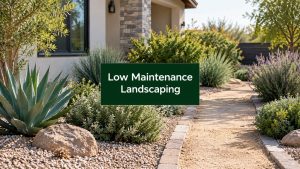
Xeriscaping works well for homeowners who want more native planting, less irrigation, and a yard that fits Central Texas conditions instead of fighting them. On the right property, it cuts water use, reduces mowing, and handles heat far better than a conventional lawn.
It also comes with trade-offs.
A xeriscape design still needs upkeep. Beds need seasonal cleanup, weeds still show up, mulch has to be refreshed, and some plants need supplemental water during establishment and hard summer stretches. Austin's clay-heavy soils can also create runoff and uneven infiltration, so plant selection and grading matter more than many homeowners expect.
Artificial turf solves a different problem set. It gives you a green, usable surface without routine irrigation, and it holds up well in dog runs, play areas, and sunny spots where natural grass keeps failing. The upfront cost is higher, but the return is often stronger for homeowners who care about predictable maintenance, lower outdoor water use, and a cleaner look year-round.
That ROI matters in Austin, especially when drought restrictions tighten and every extra irrigation cycle costs more than it used to.
Water-saving interventions compared
| Intervention | Est. Water Savings | Upfront Cost | Typical ROI | Maintenance |
|---|---|---|---|---|
| Fixing fixture leaks | High when active leaks are present | Low | Fast | Ongoing monitoring |
| Faucet aerators and efficient fixtures | Moderate to high depending on existing fixtures | Low to moderate | Usually faster than larger projects | Very low |
| Smarter irrigation and hydrozoning | Moderate to high outdoors | Moderate | Strong when the current system is wasteful | Seasonal adjustment |
| Xeriscape conversion | High compared with thirsty turf | Moderate to high | Good long-term value | Moderate |
| Artificial turf installation | Very high for outdoor irrigation reduction | High | Best for homeowners prioritizing long-term water reduction, appearance, and low upkeep | Low |
The best choice depends on how the space is used.
A front yard that mainly needs curb appeal may be a great fit for native beds, gravel, and reduced turf. A backyard with kids, pets, and daily foot traffic often pencils out differently. I've seen plenty of homeowners spend money trying to keep struggling grass alive in the hottest parts of the property, only to replace it later after years of reseeding, muddy spots, and rising water bills.
That is why professional planning pays off. Good design is not just about looks. It is about putting the right surface in the right place so you are not paying to fight your own site conditions.
Austin homeowners should also look at current local rebate opportunities before making major changes. Programs change, but when a project qualifies, that can improve payback and make a bigger upgrade easier to justify.
The best consultation starts with how you use the yard, not with a product pitch.
If the problem is habitat value and you enjoy gardening, xeriscape may be the better fit. If the problem is worn-out grass, muddy paws, and constant watering in a high-use area, turf is often the better long-term investment.
Planting zones and trees still benefit from proper mulch, and Treecorp Solutions tree mulching gives a practical explanation of how to do that without causing problems around trunks.
If you are comparing surfaces before committing, review these drought-resistant lawn alternatives for Austin homeowners and weigh the water savings, upkeep, and lifespan against how you want the yard to function.
Bringing Your Water-Wise Yard to Life in Austin
A lot of Austin homeowners hit the same point in July. The grass is thinning, the irrigation schedule keeps getting longer, and the water bill lands higher than expected. At that stage, the question is not whether to make changes. It is which changes will pay off on your property.

Start with the site, not the plant list
Good results start with the ground conditions and how the yard gets used. In Austin, that often means hard clay soil, fast runoff, hot western sun, and traffic patterns that wear out the same few spots over and over.
Check these first:
- Sun exposure
- Slope and drainage
- Existing irrigation layout
- Heavy traffic areas
- Pet use and play patterns
Those details shape the right plan. A backyard that stays soggy after rain needs a different approach than a front yard that bakes all afternoon and struggles to hold turf.
Rebates matter too. Austin Water programs can improve the return on a water-saving upgrade, especially if you are replacing high-use areas or updating irrigation. Check current offerings before the work starts so the project budget reflects any available savings.
Build the yard design around water efficiency
The best low-water yards are planned in zones with a clear purpose. Planting beds, shade areas, pet runs, and high-traffic sections should not all be treated the same, because they do not perform the same.
That is especially true in Austin soil. If you group plants with similar water needs together, keep irrigation matched to each area, and avoid forcing thirsty grass into the hottest parts of the property, the whole setup gets easier to maintain and cheaper to run.
A strong plan usually includes:
- Native or drought-tolerant plants in the right exposures
- Irrigation zones grouped by actual water demand
- Compost and mulch to hold moisture longer
- Drip or low-volume watering in beds
- Clear separation between turf and planting areas
I have seen plenty of yards improve just by fixing those basics. I have also seen homeowners spend years watering the wrong surface in the wrong spot, which is usually the expensive route.
Know what a professional process should feel like
A good installation process should be clear, practical, and tied to the property's actual conditions.
Homeowners should expect:
- A site visit with real questions. The crew should ask how the yard is used, where the problem spots are, and what kind of upkeep you prefer.
- A clear explanation of drainage and prep. Austin clay can hold water in one area and dry out hard in another, so base prep matters.
- A scope that fits the goal and budget. Some properties need targeted corrections. Others need a bigger reset to stop ongoing water waste.
- Specific scheduling details. Clear timing helps homeowners plan and sets the tone for the whole job.
- A final walkthrough. You should know what was installed, how it functions, and what maintenance it will require.
That process matters because the long-term return comes from getting the foundation right. If you are considering a larger upgrade, these residential landscaping services in Austin show how drainage, surface selection, planting, and low-water design can be coordinated into one plan.
For many Austin homeowners, the best ROI comes from being honest about which parts of the property still make sense as living grass and which do not. In the right high-use areas, a permanent low-water surface can cut ongoing irrigation demands, reduce mud, and save years of patching and reseeding.
Your Partner for a Beautiful and Efficient Yard
Reducing water use doesn't mean settling for a yard that looks sparse, stressed, or difficult to enjoy. It means being more deliberate. Find the waste. Fix the easy losses. Improve the irrigation logic. Then decide whether your current outdoor area still makes sense for Austin.
That last step is where homeowners usually save the most frustration.
Some properties only need a few corrections. Others are fighting an uphill battle because the yard was never designed for the climate, the soil, or the way the family uses the space. Once you recognize that, the decision gets simpler. You stop chasing small fixes and start looking for an outdoor space that stays attractive with less effort and less water.

Trust matters here. Homeowners don't schedule consultations because they want a sales pitch. They schedule when they believe the company will listen, accurately explain the trade-offs, and give them a solution that fits the property and budget. Clear values, straightforward recommendations, and a professional process do more to build confidence than flashy promises ever will.
That's also why specific scheduling and transparent communication matter so much. When a company gives you a real time, a clear scope, and an honest explanation of your options, it lowers uncertainty. People feel the difference immediately.
If you're serious about how to reduce water usage without giving up a yard you enjoy, the smartest move is to talk with someone who understands Austin conditions, drainage realities, irrigation waste, and long-term yard ROI. The right plan should make your life easier, not add another weekend project to your list.
If you're ready to talk through your yard with a local team that understands low-water yard design, turf, drainage, and the practical trade-offs Austin homeowners face, schedule a consultation with Modern Yard Landscapes. You'll get a clear conversation, honest recommendations, and a plan built around how you want to use your outdoor space.