
You're standing in the yard after another Austin summer, looking at brown patches, compacted soil, and an irrigation schedule that seems to run constantly. The lawn looked promising in spring, but heat, drought, foot traffic, and drainage problems have exposed the limits of natural grass. Now you're deciding between installing new sod or replacing the struggle with artificial turf.
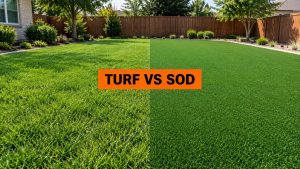
That choice deserves more than a quick comparison of green color and installation price. Turf vs sod in Austin is a water, maintenance, drainage, comfort, and long-term value decision. The right answer depends on how your property is used, how much upkeep you're willing to handle, and whether your yard can support living grass through Central Texas conditions.
| Consideration | Natural sod | Artificial turf |
|---|---|---|
| Appearance | Living grass with natural seasonal changes | Consistent green appearance |
| Establishment | Root anchorage in about 3 to 4 weeks | Usable immediately after installation |
| Water demand | High during establishment and ongoing care | Minimal routine water use |
| Maintenance | Mowing, irrigation, fertilizing, and weed control | Rinsing, brushing, and occasional repairs |
| Heat exposure | Generally cooler under direct sun | Surface can become substantially hotter |
| Best fit | Homeowners who value living grass and accept regular care | High-use, low-water, pet, and difficult-to-maintain areas |
Why This Decision Matters for Your Austin Home
An Austin homeowner may start with a simple goal, a green backyard that looks good from the patio and stays usable for the family. After a dry summer, that goal becomes more complicated. The irrigation system runs more often, the grass thins near the walkway, and every mowing day competes with work, errands, and family time. A sloped section may wash out during heavy rain, while a low spot stays muddy long after the storm passes.
Natural sod can provide the living greenery many homeowners want, but it asks for consistent care. Artificial turf can reduce routine maintenance and keep a yard visually stable, but it requires a more involved installation and demands careful thought about heat, drainage, and surface use.
Water makes the decision especially important. Research published through New Mexico State University notes that lawn watering can account for 50% to 75% of a home's summer water use (New Mexico State University's lawn water guidance). In Austin, where hot weather and dry periods put pressure on outdoor irrigation, the lawn isn't just decoration. It affects household operating costs and the amount of time you spend managing your property.
The practical question: Do you want to maintain a living lawn, or do you want to build a durable outdoor surface that needs much less daily attention?
The wrong choice usually comes from focusing on the first invoice. A low initial price can become frustrating if the lawn needs constant watering, mowing, fertilizing, patching, or reseeding. A higher installation price can make sense when the property has heavy use, recurring mud, difficult access, or a homeowner who wants predictable maintenance.
That's why an Austin installation should begin with the site, not a product brochure. Soil condition, slope, sun exposure, drainage, pets, children, and access for installation all affect the recommendation. A yard that suits sod in a shaded, irrigated neighborhood may be a poor candidate for it on a sun-baked slope.
Understanding Turf and Sod Fundamentals
For an Austin homeowner, turf and sod describe two different lawn systems. Artificial turf is a manufactured surface made from synthetic fibers, backing, infill options, and a prepared drainage base. Sod is living grass cultivated elsewhere, harvested in rolls, and installed over prepared soil. Sod looks finished quickly, but it still needs water, root development, and proper care before it performs like an established lawn.
Terminology matters because homeowners often use “turf,” “grass,” and “sod” interchangeably. This lawn grass terminology explained guide clarifies the difference between a living lawn product and a synthetic surface before you compare materials.
Natural turfgrass also covers a remarkable area. The scale helps explain why lawn selection affects water demand, particularly in Austin's heat and recurring dry conditions. It also puts the choice in practical terms: one option continues drawing on irrigation and seasonal care, while the other depends more heavily on construction quality and drainage planning.
The water difference between planting types can be substantial. The EPA WaterSense home turfgrass report found that turf-dominated yards used 54% more water than mixed plantings. In one Arizona estimate, a 3,000-square-meter turfgrass lawn used 9,000 to 15,000 gallons per month, compared with 800 to 1,300 gallons for a comparable planting of plants, shrubs, and trees (EPA turfgrass report).
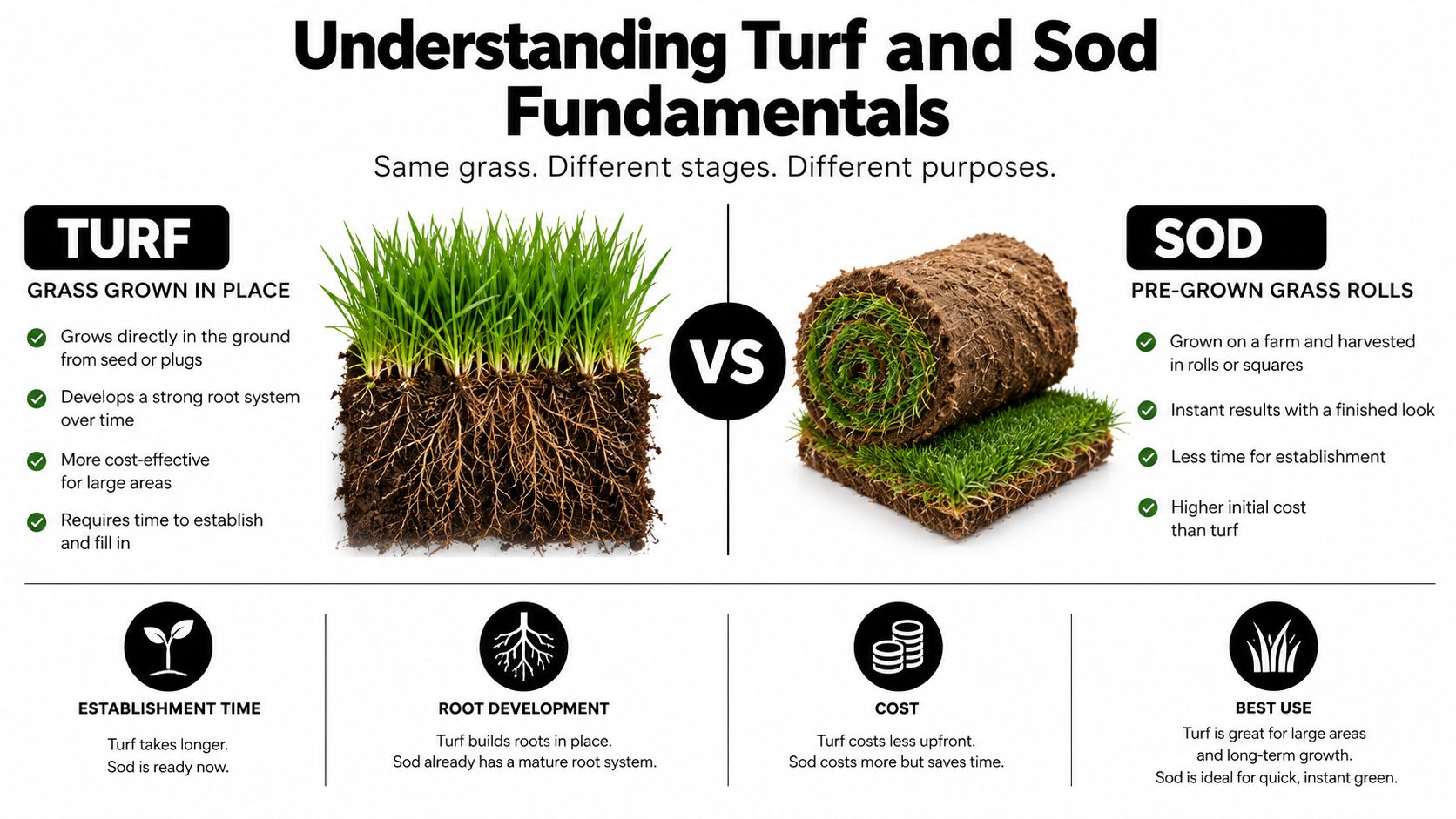
For Austin properties, the deciding factor is control over long-term performance. Sod can grow, recover, and change with the seasons, but it requires suitable soil, irrigation, sunlight, and ongoing care. Artificial turf offers a consistent appearance and surface, yet its results depend on compacted base preparation, drainage design, fiber selection, and installation workmanship. Poor drainage can leave either system struggling, so assess the site before choosing the material.
Installation and Maintenance Differences
Sod and artificial turf solve different installation problems. Sod places living grass over prepared soil. Artificial turf replaces the upper lawn system with a compacted base, drainage components where needed, synthetic grass, edging, seams, and infill or other finishing materials.
Sod establishes faster than seeded grass, but it isn't maintenance-free. University of Maryland Extension guidance places usable root anchorage for sod at about 3 to 4 weeks, while seeded lawns commonly take about 4 to 6 weeks just to establish after sowing (University of Maryland Extension lawn guidance). New sod also needs intensive watering. One watering guide recommends watering 2 to 3 times per day for the first 7 to 14 days while keeping the top 2 inches of soil consistently moist (new sod watering guidance).
What the crew must get right
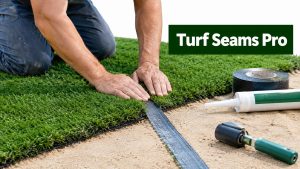
Artificial turf usually needs less care after installation, but the installation itself is less forgiving. The crew must remove unstable material, shape the grade, compact the base, manage runoff, install edging, and create reliable seams. If Austin's clay soil or a sloped yard sends water toward the house, the project may require drainage tile, corrected grading, or retaining structures instead of laying turf over the problem.
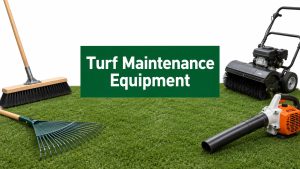
This guide to Texas weed control is useful background for homeowners who choose natural grass, because weeds compete with living turf and can quickly undermine an otherwise careful maintenance program. Artificial turf reduces mowing and irrigation demands, but it still needs a clean, stable base and sensible surface care.
| Installation and care factor | Sod | Artificial turf |
|---|---|---|
| Initial preparation | Soil grading and planting-bed preparation | Excavation, base installation, compaction, edging, seams, and drainage planning |
| Early care | Frequent watering during establishment | Keep the surface clean and inspect edges and seams |
| Ongoing work | Mowing, watering, fertilizing, weed control, and patching | Rinsing, brushing, pet-waste cleanup, and occasional repairs |
| Species impact | Major factor in durability and maintenance | Fiber and system design influence feel, drainage, and heat |
| Austin drainage response | Living soil and roots can suffer in saturated areas | Proper base and drainage can redirect water before installation |
Grass type matters if you choose sod. University Extension ratings identify tall fescue and zoysia as relatively low-maintenance, while tall fescue offers good foot-traffic tolerance and excellent drought tolerance. Kentucky bluegrass rates highly for foot traffic but carries a high maintenance rating (University of Maryland Extension grass information). The lesson is straightforward: don't buy “grass” as an abstract category. Choose a species that fits Austin's heat, sun, traffic, and maintenance reality.
If you're considering artificial turf, use the detailed ground preparation guide for artificial turf before comparing samples. Poor preparation creates the most expensive problems later, including uneven areas, standing water, visible seams, and edge movement.
Real Cost Analysis for Austin Homeowners
Sod usually wins the upfront price comparison. Available cost coverage places sod installation around $0.50 to $1.50 per square foot, while synthetic turf commonly falls around $5 to $15 per square foot (University of Florida guidance on synthetic turf). Those ranges are broad because soil removal, access, grading, drainage, material quality, edging, and labor complexity can change the estimate significantly.
The first invoice, however, doesn't tell you what the lawn will cost to own. Sod may require irrigation, mowing, fertilizing, weed control, reseeding, and repairs. Artificial turf avoids routine mowing and greatly reduces water demand, but it still has installation costs, cleaning needs, and eventual replacement planning.
A useful independent comparison modeled a 1,000-square-foot lawn over 10 years and found total costs of about $11,600 to $20,000 for sod, compared with $8,000 to $15,000 for artificial turf, after including water, mowing, fertilizer, and reseeding (10-year sod and artificial turf comparison). That isn't an Austin quote, and it shouldn't be treated as one. It does show why a serious estimate must include operating costs instead of stopping at installation.
Water demand can shift the calculation dramatically in dry climates. One comparison estimated that a 1,000-square-foot Phoenix sod lawn used about 50,000 gallons annually, while artificial turf required under 1,000 gallons annually (Phoenix sod and artificial turf water comparison). Austin has its own utility rules and rates, so you'll need local numbers for a proper calculation. The point remains: frequent irrigation can become a meaningful ownership expense.
What belongs in an Austin estimate
A credible project estimate should account for:
- Material selection: Fiber quality, backing, infill, drainage components, and edging affect the installed system.
- Site access: Narrow side yards, gates, slopes, and difficult haul routes increase labor complexity.
- Drainage work: Tile, grading, or retaining walls may be necessary before either lawn option performs reliably.
- Maintenance expectations: Sod needs recurring care. Turf needs cleaning, brushing, and eventual lifecycle planning.
- Usable area: Patios, trees, beds, and walkways change the actual square footage.
Use the cost of installing a lawn as a starting point, then ask for a property-specific estimate. A cheap sod installation that fails in a drainage-prone yard isn't a bargain. Neither is premium turf installed without correcting the base.
Heat, Safety, and Pet Considerations
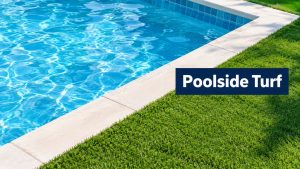
Heat is the strongest argument against treating artificial turf as a universal Austin solution. Synthetic surfaces can become much hotter than natural grass under direct sun. A recent review reports synthetic turf surface temperature increases of about +9.4 to +33.7°C compared with natural turf, and another report notes that surfaces can exceed 160°F (New Jersey synthetic turf report).
That matters for barefoot children, dogs, and anyone spending a long afternoon outdoors. A surface that feels acceptable in the morning can become uncomfortable during peak afternoon sun. Shade trees, umbrellas, covered patios, cooling infills, and scheduled use during cooler periods can reduce exposure, but they don't erase the heat behavior of synthetic materials.
The safety conversation also needs accuracy. The same report describes air temperature increases of about +0.5 to +1.2°C over natural turf in reviewed settings, while a 2025 review found very limited evidence linking synthetic turf to negative health outcomes. Another authoritative review described the current research as inconclusive and highlighted evidence gaps. Those findings don't justify fear-based claims, but they do justify sensible surface planning.
Pets need a use-specific design
Pet owners should evaluate more than whether turf looks like grass. Ask how waste will drain, how the area will be rinsed, whether the system includes antimicrobial or odor-control features, and whether the dog run receives shade. A pet area with poor drainage can become unpleasant regardless of the surface material.
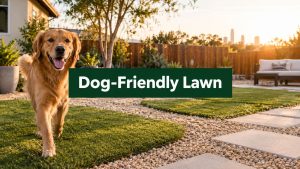
Natural sod offers a cooler living surface and biological recovery, but dogs can create worn paths, urine spots, digging damage, and muddy areas. Artificial turf can provide a consistent, cleanable surface for a dog run, but it must be installed with pet use in mind.
For Austin families, I recommend reviewing the heat-resistant artificial turf options alongside shade and drainage plans. Don't choose a product solely because it stays green. Choose a complete surface system that matches how your children and pets use the yard.
Making Your Decision in Austin Climate
Artificial turf installations commonly last about 8 to 15 years, with quality installations reaching the upper end of that range when maintenance is consistent (artificial turf lifespan and maintenance guidance). Sod doesn't have a fixed replacement interval because it can regenerate and spread under suitable conditions, but it also remains exposed to drought, disease, traffic, poor watering, and seasonal stress.
Your decision should follow the property's demands.
Choose sod when living grass is the priority
Sod makes sense if you want the feel and seasonal behavior of natural grass, have reliable irrigation, and accept regular mowing and lawn care. It's also a reasonable choice when the site has suitable soil, good drainage, sufficient sunlight, and a household member or service provider will maintain it consistently.
Natural grass can repair itself biologically when conditions are favorable. That benefit is real, but Austin's heat and water limitations can make recovery slow or inconsistent in exposed, heavily used areas.
Choose artificial turf when predictability matters more
Artificial turf is usually the stronger fit when you want a consistently green appearance, need a durable surface for pets or foot traffic, or want to reduce irrigation and mowing. It can also help on properties where mud, access, slopes, or recurring bare patches make living grass frustrating.
Turf doesn't fix drainage automatically. The installer must design the base and water-management system correctly. If pets are central to the decision, review pet-friendly artificial turf systems with the intended dog-run layout, cleaning routine, and shade conditions in mind.
The right answer isn't the surface that looks best on installation day. It's the surface that matches your property, budget, use pattern, and willingness to maintain it over time.
Modern Yard Designs can provide a factors-based estimate that considers material quality, turf quantity, labor complexity, access, drainage, and specialized features. That approach gives you a more useful number than a generic square-foot price and makes it easier to compare sod and turf fairly.
Schedule Your Expert Consultation Today
The best next step is a site assessment, not a rushed material decision. Walk the property with the installer and identify where water collects, where the yard receives direct afternoon sun, where pets or children spend time, and which areas suffer from traffic or mud. Bring your priorities into the conversation, whether that's lower water use, natural grass, a dog run, a putting green, or a more usable commercial yard.
Modern Yard Landscapes provides full-service installation for residential and commercial turf across the greater Austin area. Its work includes artificial turf installation, custom putting greens, pet-friendly dog runs, drainage tile, retaining walls, turf repair, and design and maintenance. The company also offers warranty packages and a total satisfaction guarantee, with estimates based on the actual property rather than a one-size-fits-all price.
A complete consultation should answer practical questions:
- What is causing the current lawn failure? Heat, irrigation, soil, traffic, shade, and drainage can create different problems.
- Which surface suits the use? A front yard, children's play area, dog run, putting green, and commercial entrance each need different specifications.
- What preparation is required? Grading, base work, drainage tile, edging, and retaining walls may determine whether the project performs well.
- What will ownership involve? Compare water, mowing, fertilizer, cleaning, repairs, and future replacement expectations.
For broader site work, homeowners can also review Fieldmark Land Co.’s acreage preparation for homesites to understand how grading and land preparation can affect a larger property. Good turf installation starts with the ground beneath the grass, whether that grass is living or synthetic.
Modern Yard Landscaping also emphasizes water conservation and the reduction of harmful chemicals used in outdoor spaces. That makes the consultation useful even if you ultimately choose sod. You should leave with a clear explanation of the tradeoffs, an honest scope of work, and pricing that reflects your property's actual conditions.
Modern Yard Landscapes can compare turf and sod for your Austin property, including drainage, pet use, heat exposure, and long-term maintenance. Visit Modern Yard Landscapes to schedule a consultation and get a transparent recommendation built around the way you use your yard.