
Your dog's favorite route probably tells you more than your existing lawn does. In Austin, one stretch may be worn bare from daily zoomies, another may stay muddy after rain, and the potty corner may be yellow, compacted, or difficult to clean. Add hot surfaces, escaping dogs, and summer watering, and replacing grass becomes a practical design decision rather than a simple landscaping upgrade. Pet owners also increasingly look for pest control safe for pets when planning a healthier yard.
The best lawn alternatives for dogs depend on your priority, whether that's play, potty training, containment, drainage, joint comfort, low maintenance, or a natural appearance. Below are seven options for Austin homes, with honest trade-offs around cleanup, heat, durability, comfort, and cost drivers. No single material fits every property, so the right recommendation should begin with how your dog uses the yard.
1. Pet-Friendly Artificial Turf with Antimicrobial Infill
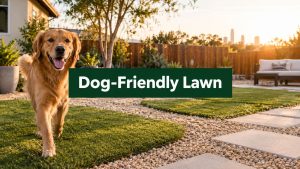
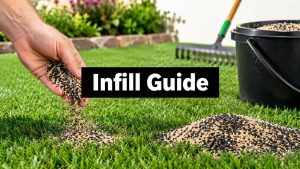
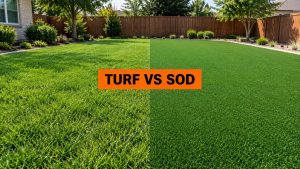
Pet-friendly artificial turf is the strongest standalone choice for homeowners who want a consistently green, clean-looking play surface without mowing. Modern turf uses UV-resistant fibers, durable backing, and pet-rated infill to handle repeated paw traffic, digging attempts, and routine rinsing. Antimicrobial infill can help suppress bacterial growth around waste, while odor-control products make concentrated potty areas easier to manage.
A 2025 landscaping survey reported that 58% of homeowners with pets saw improved yard cleanliness after installing pet-friendly turf, with reported savings of $800 to $1,200 per year on lawn care services and about 55 hours of maintenance labor annually. Those figures come from a survey summarized by Hall Turf's pet-friendly turf guide, and they shouldn't be treated as a guarantee for every Austin property. Your actual results will depend heavily on drainage, the number of dogs, cleaning habits, and installation quality.
Drainage matters more than the blade
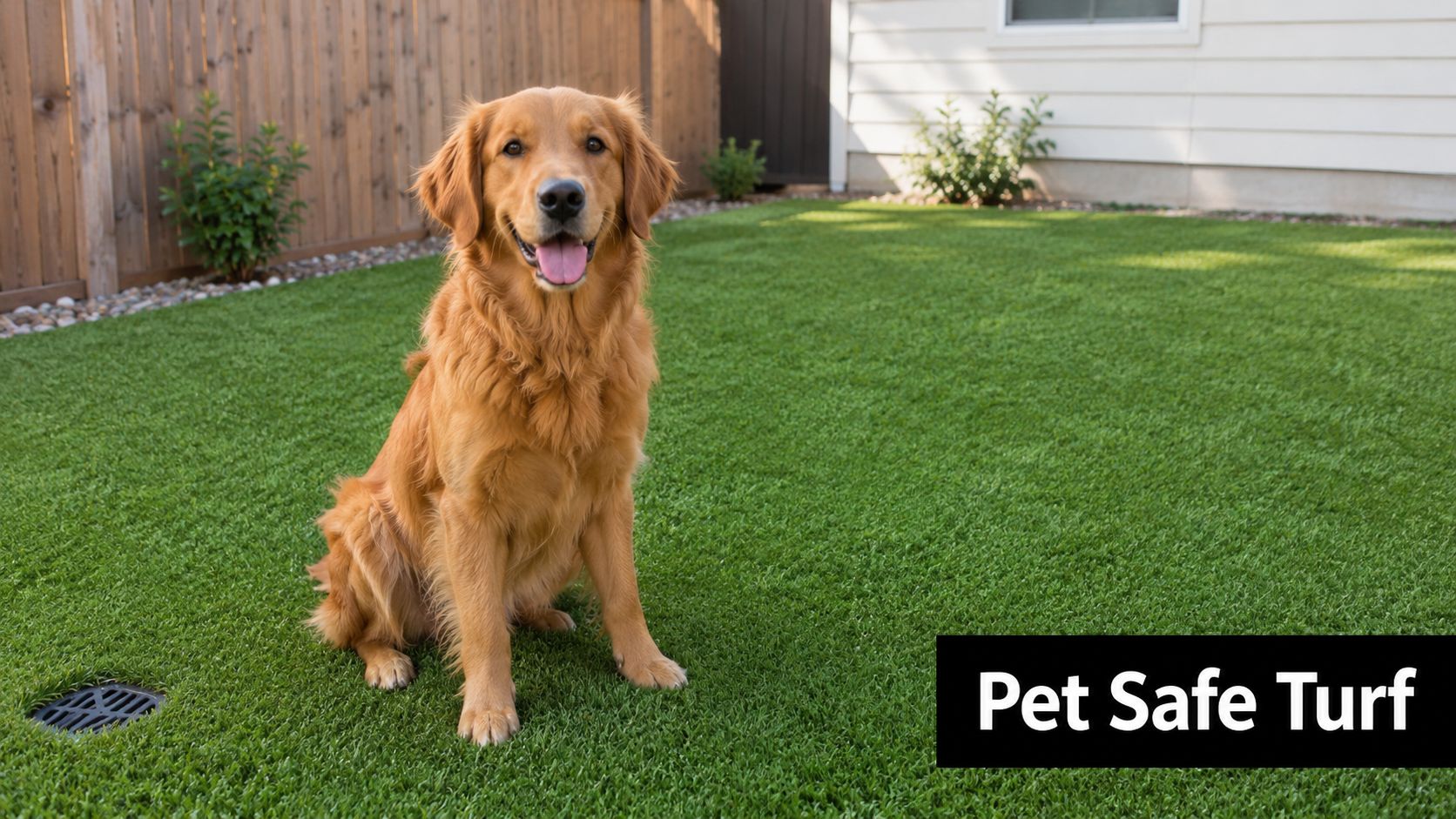
A porous turf system can move rain, rinse water, and urine through the surface. One pet-turf product describes 100% edge-to-edge drainage and a drainage rate of 2,000 to 3,000 inches per hour, as detailed in K9Grass's dog turf specifications. That product statement describes one system, not every turf product on the market.
Choose cooling infill for sunny areas, request antimicrobial treatment when hygiene is a concern, and plan for occasional light raking to keep infill distributed. Proper excavation, base preparation, slope correction, and drainage connections are essential. Antimicrobial turf infill options can be discussed during a site consultation, especially if your dogs repeatedly use one bathroom area.
2. Custom Dog Runs with Artificial Turf and Secure Fencing
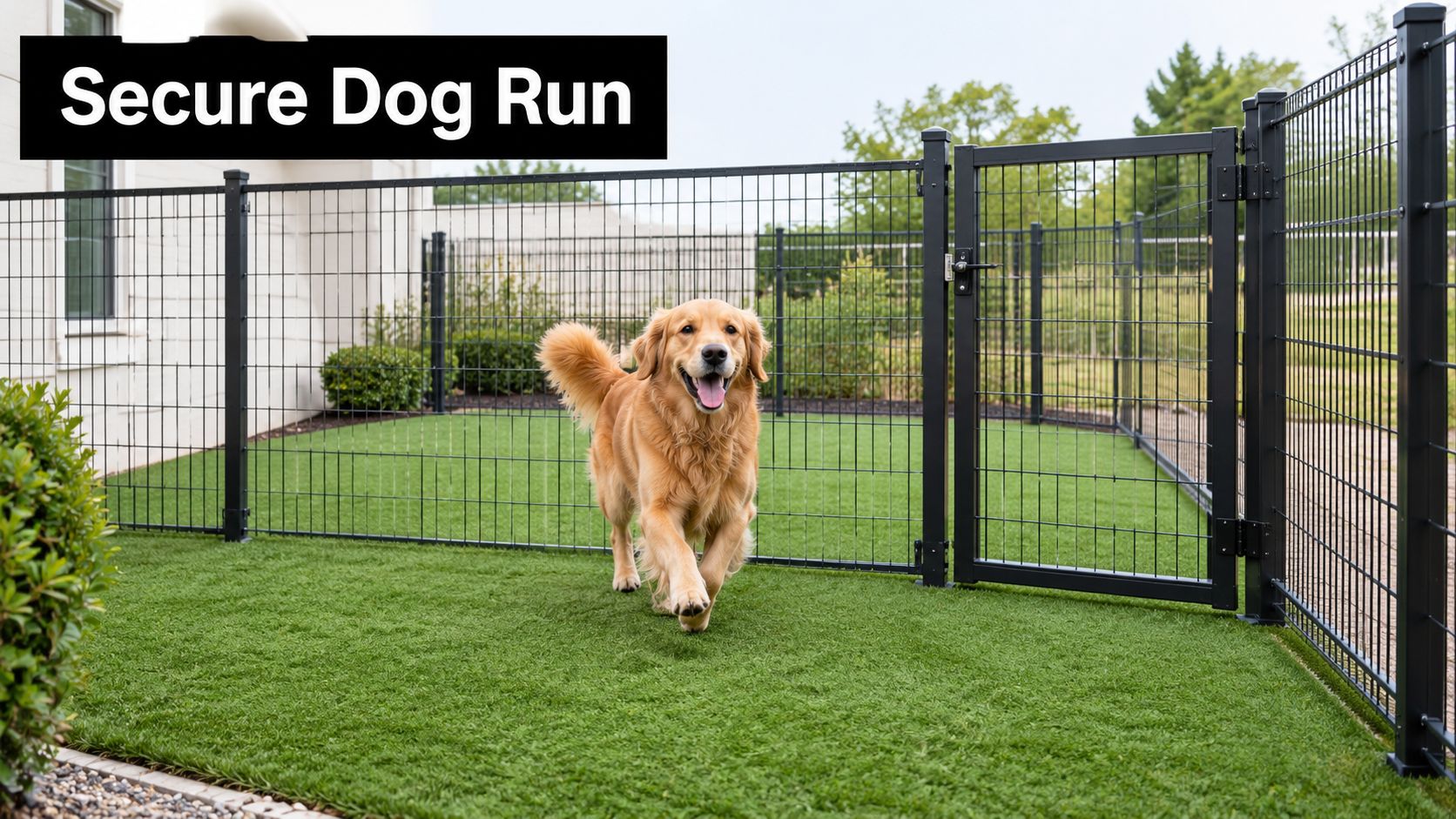
A custom dog run solves a different problem from a whole-yard turf installation. It gives your dog a defined space for exercise and bathroom breaks while protecting planting beds, ornamental shrubs, pools, and the rest of your lawn. For households with multiple dogs, energetic breeds, or escape-prone pets, containment may matter more than creating a uniform lawn across the entire property.
The most reliable dog run combines artificial turf with secure fencing, reinforced edging, a well-positioned gate, and a drainage plan. Fence height should reflect your dog's size, jumping ability, climbing habits, and tendency to dig. A dog that clears a standard fence or pushes through a weak gate needs a more deliberate enclosure, not just more grass.
Design around access and behavior
Place the run where you can reach it easily from the back door, hose bib, and waste-storage area. Convenient access makes cleanup more consistent. A shaded section, whether created by an existing tree, a covered structure, or a planned shade feature, is especially important during Austin's hot weather.
Practical rule: A dog run should be easy for the owner to service, not only comfortable for the dog.
Use drainage tile or another appropriate drainage connection where water collects. If the property slopes toward the run, the design should account for runoff before turf is installed. Modern Yard Landscaping provides backyard dog run design ideas that can help you think through gate placement, fencing, turf, and circulation. For additional fencing considerations, review this dog fencing guide from FenceScape, while remembering that Austin soil, property lines, and local conditions require a site-specific plan.
3. Perennial Ryegrass with Dog-Proof Ground Covers
Natural groundcover is the right direction for homeowners who want a living yard with a softer, less manufactured appearance. A blend of perennial ryegrass and resilient groundcovers can create a lawn-like setting while spreading wear across more than one plant type. Clover or microclover may work in selected areas, but the design must match the amount of running, digging, shade, and irrigation available.
This option looks natural because it is natural. It also behaves like a living, growing system. Urine can create localized damage, high-use paths can thin out, and dry Austin weather can leave plants stressed without supplemental irrigation. Expect seasonal repair rather than a surface that stays unchanged.
Give the living surface room to recover
Use shade-tolerant varieties below trees and near covered patios. Choose pet-safe fertilizers, avoid products that could expose dogs to harmful chemicals, and consider a designated potty area so repeated waste isn't spread across the entire yard. Overseeding can help restore density, but it requires timing, soil preparation, and enough moisture for new growth.
A ryegrass and groundcover blend works best when you accept some variation in color and density. It isn't the best choice for a narrow dog racing lane or a small yard where every square foot receives concentrated traffic. It can be a good fit for open areas where dogs play moderately and the homeowner values a living space.
Austin homeowners should also weigh water demand carefully. Southern California turf guidance cited by this lawn alternatives guide places traditional turf at approximately 44 gallons per square foot per year, while one pet-safe alternative uses 60% less water than traditional turf. The figures come from a different dry-market region, but they illustrate why many homeowners are moving away from conventional lawns. Local irrigation needs still depend on your soil, plant selection, exposure, and weather.
For planting combinations and dog-tolerant options, see ground cover choices for homes with dogs.
4. Mulch and Decomposed Granite with Permeable Borders
Mulch and decomposed granite are practical choices for designated relief areas, side yards, and low-cost transition zones. They drain naturally, maintain a more organic appearance than synthetic turf, and can be refreshed without replacing an entire lawn. Cedar chips, wood mulch, and decomposed granite each create a different feel underfoot, so choose based on your dog's habits and the level of cleanup you're willing to perform.
Mulch feels softer and works well in a potty area, but it can move, scatter, decompose, and hold odor if waste remains in place. Decomposed granite creates a firmer path and usually stays more orderly when properly edged, but loose particles may not suit every dog, especially one with sensitive paws or a habit of digging. Neither material automatically solves drainage. The underlying soil and grade still determine where liquid goes.
Build a contained, serviceable zone
Use steel or composite edging to keep materials from spreading into planting beds. A geotextile fabric layer can reduce grass invasion, though it doesn't replace proper base preparation. Keep the area easy to reach with a hose and scoop, and place it where runoff won't carry waste toward patios, play areas, or neighboring properties.
Plan for regular raking, turning, odor management, and material replenishment during heavy use. Cedar is often selected for its natural pest-deterrent qualities, but no mulch should be treated as a substitute for sanitation or pet-safe pest control. A contained relief zone works best when the dog understands it as the bathroom area and the owner can clean it without navigating the entire yard.
The American Kennel Club lists mulch among the materials that can work in grassless dog yards. Its guidance also discusses concrete paving stones and synthetic turf, reinforcing the value of combining surfaces according to how the space is used. Read the American Kennel Club's grassless yard guidance before selecting a material for a high-use area.
5. Permeable Pavers and Dog-Friendly Hardscape
Permeable pavers are the best fit when easy waste removal, firm footing, and long-term durability take priority. A properly designed paver area gives you a stable surface for walking, feeding, rinsing, and moving between the house and dog zone. It also prevents the mud that develops when dogs repeatedly cross bare soil after rain.
Use permeable pavers for a potty patio, a narrow circulation path, or the area beside a back door. Recycled rubber tiles can add cushioning where dogs turn sharply, rest, or repeatedly jump from a patio. Lighter-colored materials are preferable in sunny locations because dark hardscape can become uncomfortably hot.
Keep water moving away from the dog zone
Pavers need more than attractive placement. Stabilizing sand, a suitable base, correctly managed edges, and drainage channels help prevent shifting and standing water. A French drain or connected drainage system may be appropriate where the yard receives runoff from a roof, slope, or adjacent hardscape.
A hard surface is easy to clean only when the design gives dirty water somewhere appropriate to go.
Create enough space around the relief area for a hose, scoop, and waste container. Avoid tight corners where leaves and debris accumulate. Pairing pavers with artificial turf can separate circulation from play, reducing wear on the turf and giving the dog a choice between firm footing and a softer surface.
For Austin-specific installation considerations, explore hardscape installation from Modern Yard Landscapes. A professional assessment is worthwhile when the yard has compacted soil, a visible slope, recurring puddles, or drainage that currently moves toward the house.
6. Recycled Rubber and Engineered Fiber Mulch
Recycled rubber mulch and engineered fiber products suit homeowners who want cushioning without the constant decomposition associated with traditional mulch. These surfaces can make a play or relief zone more forgiving underfoot, particularly for active dogs that sprint, turn, and stop repeatedly. They also create a distinct alternative to turf when the goal is a resilient play surface rather than a lawn appearance.
Material safety comes first. Verify that the product is food-grade or otherwise documented as non-toxic for the intended use. Watch your dog during the initial transition to confirm they aren't chewing or ingesting loose pieces. No loose surfacing should be installed without considering the habits of the specific dog using it.
Manage heat and material movement
Rubber can retain heat in direct Texas sun, especially in darker colors. Use shade where possible and check the surface before allowing dogs to spend extended time on it. Engineered fiber may feel more natural, but it still needs periodic raking to maintain an even layer and prevent material from collecting along borders.
Landscape fabric can help keep the surface separate from native soil. Strong edging contains movement and simplifies cleanup. If a dog digs aggressively, expect some displacement regardless of the product. This option works best in a defined zone with clear transitions, not as a loose material spread across every part of the yard.
Veterinary clinics, pet facilities, and dog parks may select cushioned engineered surfaces where repetitive activity makes impact comfort important. For a residential yard, the decision should be based on your dog's age, joint condition, play intensity, chewing behavior, and tolerance for surface maintenance. If you want softness but don't want living grass, rubber or engineered fiber deserves consideration.
7. Hybrid Systems with Relief Areas and Hardscape Pathways
A hybrid yard is the most practical answer for households asking one outdoor space to perform several jobs. Artificial turf can handle play, mulch or decomposed granite can define a potty zone, and pavers can create clean paths from the door to the dog area. This arrangement avoids forcing one surface to manage exercise, waste, drainage, access, and appearance at the same time.
Place the relief zone in a naturally lower part of the property only when drainage can be managed safely. Connect drainage tile or another suitable system to an approved discharge point, and use edging between materials so soil, mulch, and infill don't migrate into one another. Pathways should protect the turf from concentrated traffic, especially near gates, water bowls, and the route dogs use after rain.
Match each zone to one job
A multi-dog household may need a durable play surface, an obvious bathroom location, and a pathway that stays clean under repeated use. An older dog may benefit from cushioned areas and shorter routes. A puppy may need a relief zone close to the house for training and supervision. A large, athletic dog may need more open running space and stronger containment.
Best design principle: Use the softest surface where your dog plays, the easiest surface where you clean, and the most permeable surface where water collects.
Hybrid planning also makes budgeting clearer. You can invest in professional base preparation and drainage where it matters most, then use lower-maintenance materials in areas that don't receive concentrated traffic. That targeted approach often produces a more useful yard than installing one expensive material everywhere.
7-Option Comparison: Dog-Friendly Lawn Alternatives
| Option | 🔄 Implementation complexity | ⚡ Resources & speed | 📊 Expected outcomes | 💡 Ideal use cases | ⭐ Key advantages |
|---|---|---|---|---|---|
| Pet-Friendly Artificial Turf with Antimicrobial Infill | Moderate–High: professional site prep and drainage required | Moderate–High upfront cost; usable immediately after install | High hygiene, low odors, year‑round green appearance | Homes with multiple dogs, high-traffic yards, clinics | Superior cleanliness and odor control; durable; water-saving |
| Custom Dog Runs with Artificial Turf and Secure Fencing | High: custom design, fencing installation, reinforced edging | High cost and space needs; longer timeline | Strong containment, reduced landscaping damage, trained potty areas | Multi-dog households, properties needing secure containment | Safety, behavioral control, protects landscape and property |
| Perennial Ryegrass with Dog-Proof Ground Covers | Low–Moderate: planting, overseeding, irrigation setup | Lower upfront cost; ongoing watering and reseeding | Natural look, moderate durability; recovers if not overused | Eco-conscious owners, low–moderate dog traffic areas | Natural aesthetic, supports pollinators, cheaper upfront |
| Mulch and Decomposed Granite with Permeable Borders | Low: simple edging and material placement | Low–Medium cost; regular replenishment and raking | Excellent drainage, natural appearance; higher tracking and refresh needs | Budget yards, relief zones, transitional landscaping areas | Natural, chemical-free, easy to refresh and customize |
| Permeable Pavers and Dog-Friendly Hardscape | Moderate–High: precise grading and drainage required | Higher cost; long lifespan; fast cleanup and maintenance | Extremely durable, virtually mud-free; may retain heat | High-traffic zones, owners prioritizing low-maintenance hygiene | Longevity, easy disinfection, professional aesthetic |
| Recycled Rubber and Engineered Fiber Mulch | Low–Moderate: lay over fabric; moderate prep | Moderate cost; long-lasting with minimal replacement | Good cushioning and stable depth; limited decomposition | Play areas, senior dogs, facilities seeking sustainable surfacing | Shock absorption, low maintenance, environmentally reused materials |
| Hybrid Systems: Turf + Relief Areas + Hardscape Pathways | Very High: multi-material design, drainage, and zoning | Highest investment and installation time; professional design required | Optimized cleanliness, durability, and trainability across zones | Multi-dog households, high-end properties, owners wanting low tracking | Best overall functionality; combines benefits while reducing trade-offs |
Choose the Surface That Fits Your Dog and Yard
Choose artificial turf when you want a consistently green, low-maintenance play surface and you're prepared to invest in proper base preparation and drainage. It handles routine traffic well, supports easy rinsing, and works especially well when paired with pet-safe infill and a cleaning plan. Don't judge turf only by the blade color or softness. The backing, infill, sub-base, slope, and drainage route determine how the yard performs after repeated use.
Choose a custom dog run when containment, training, and protection of the rest of your landscaping are the main concerns. Secure fencing, a convenient gate, shade, and a serviceable drainage layout matter as much as the turf inside the enclosure. A perennial ryegrass and groundcover blend fits homeowners who want a living, natural look and accept watering, seasonal variation, overseeding, and repair.
Use mulch or decomposed granite for permeable relief zones and informal side-yard areas. They can look natural and drain well, but they require raking, odor management, and periodic refreshing. Select permeable pavers for firm, durable areas where scooping and rinsing need to be simple. Add rubber tiles where cushioning matters more than a lawn-like appearance.
Choose recycled rubber or engineered fiber when you want a resilient, cushioned surface and are willing to monitor heat, material movement, and dog behavior. Choose a hybrid system when your household needs several functions at once. Separate play, potty, and circulation areas instead of asking one surface to solve every problem.
Austin heat, soil type, slope, drainage, dog size, age, and traffic patterns all affect the right design. The American Kennel Club's guidance supports grassless approaches that may include mulch, pavers, and synthetic turf, while also noting that synthetic turf can help reduce soil erosion and flooding. For homeowners interested in broader sustainable choices, stylish sustainable dog products can complement a low-maintenance yard plan.
Modern Yard Landscapes can assess site preparation, drainage, access, topography, material selection, antimicrobial treatments, cooling technologies, and warranty-backed installation before work begins. The company serves greater Austin with artificial turf, pet-friendly dog runs, hardscape, drainage tile, retaining walls, and installation. A factors-based estimate should explain what affects your project cost, including material quality, turf quantity, labor complexity, and specialized features.
Contact Modern Yard Landscapes to schedule a consultation at your property. Bring your dog's daily habits into the conversation, including where they run, rest, dig, and eliminate, so the proposed design solves the problems you experience.
Modern Yard Turf designs and installs pet-friendly turf, custom dog runs, drainage systems, hardscape, and hybrid lawn alternatives for Austin homes and commercial properties. Visit Modern Yard Landscapes to schedule a site assessment, discuss materials and drainage, and receive a transparent estimate based on your yard's conditions.