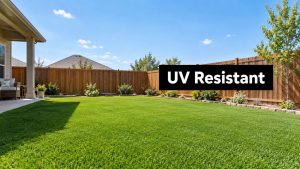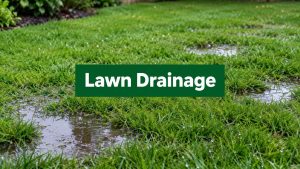

You don't usually notice a sports field going bad all at once. You notice the first soft spot after rain, the patch where footing feels strange, the line that's still visible but the turf underneath is thinning out, and then the complaints start. In Austin, heat, traffic, and fast-changing weather make that slide happen quicker than most owners expect, especially when maintenance is reactive instead of planned.
A field can look clean and still be losing performance below the surface. That's the part often missed, and it's why sports fields maintenance has to be treated like a managed system, not a weekend chore.
The Hidden Cost of Sports Field Neglect
A field rarely fails in a dramatic way. It drifts into trouble through small, ignored issues, then one hard rain or one heavy week of play turns those issues into cancellations, unsafe footing, or expensive repair work. In Austin, I've seen a field that looked fine from the parking lot become a mess once players started cutting across the same worn lane near midfield and the drainage couldn't keep up.
The damage isn't just surface-deep. Once compaction builds, water stays longer, roots struggle, and the turf gets weaker right where athletes need it most. That's why the intensity of use matters so much, since a high-traffic game field may be expected to support about 18 game-time hours of soccer per week, 12 game-time hours of youth football per week, or 30 game-time hours of baseball per week according to UC Agriculture and Natural Resources. A lower-input field on loam soil with reasonable drainage may meet performance expectations at about 10, 6, or 20 game-time hours per week, respectively, from the same source.
Practical rule: if a field is getting more use than the soil and drainage can recover from, the repair bill is already building.
Why appearances fool owners
Fresh paint and green color don't tell you much. A field can look presentable while the root zone is compacted, irrigation is uneven, or wear paths are cutting into the surface structure. That's why professionals judge the field by recovery, drainage, firmness, and how it plays after repeated use, not by color alone.
In local conditions, the gap between “looks okay” and “performs okay” can be wide. Heat accelerates stress, and traffic concentrates damage in the same predictable spots. The owners who wait until there's obvious failure usually end up paying for more than maintenance. They pay for lost play, rushed fixes, and in some cases, a field that never fully comes back.
Seasonal Sports Field Maintenance Calendar
A field that stays safe and playable does not get managed only when someone notices a problem. It needs a calendar that matches the season, the surface, and the amount of traffic it takes. The work has to be routine, because one-off cleanups rarely fix the root cause.

Spring and early-season recovery
Spring is when compaction shows itself fast. Extension guidance from North Carolina State Extension says sports fields should be cored at least twice a year, and fields with heavier use, overseeding, or heavier soils may need three to four core aerifications per growing season. That fits what happens on the ground, because the turf needs air, water movement, and room for roots before traffic picks up again.
Natural grass also needs disciplined mowing and feeding in spring. Oregon State recommends mowing once a week between uses and twice a week during the athletic season, plus four to six fertilizer applications at about 1 lb N per 1,000 sq ft with light in-season quick-release nitrogen, according to Oregon State Extension. If you are sorting through fertilizer choices for your own program, best slow release fertilizer options is a useful reference for seeing how release rate affects consistency over time.
Summer stress and heat management
Summer is where planning shows up in the field. North Carolina State says bermudagrass fields commonly need 5 to 9 lb of nitrogen and 3 to 5 lb of potassium per 1,000 sq ft per year, with highly maintained bermudagrass fields mowed two to three times weekly and kept at 3/4 to 1 1/2 inches North Carolina State Extension. The same source recommends about 1 inch of water per week, ideally split into 1/2 inch applications every three to four days.
Water timing matters just as much as total water. Oregon State's guidance calls for about 0.25 inch of irrigation per event three to four times per week in spring, plus core cultivation in spring and fall followed by sand topdressing to ease compaction and restore firmness Oregon State Extension. In Austin heat, that kind of schedule helps keep the surface playable without turning it soft. For synthetic surfaces, drainage has the same kind of influence, since standing water and trapped moisture change how the field wears, and a closer look at artificial turf drainage systems shows why the subbase matters as much as the top layer.
Fall cleanup and winter readiness
Fall is where neglect hides under leaves and debris. It is also the time to repair high-wear zones, reduce the pressure from a long season, and get the field ready for slower growth. Natural grass fields benefit from recovery work tied to the season, while synthetic fields need grooming and infill management before cooler weather and heavier moisture start affecting traction.
For artificial turf, the rhythm stays different all year. Florida's sports field BMP manual recommends daily inspection, weekly full-field grooming, monthly deep grooming, infill tracking, and replenishment as needed Florida Department of Environmental Protection. The practical point is simple. Surface care only works when someone keeps pace with it, and once the timing slips, the field starts showing it through weak recovery, poor footing, and higher repair costs.
Natural Turf vs Artificial Turf Maintenance
The surface decides the work, and the work decides whether the field stays safe and playable. Owners usually ask which option is cheaper or easier, but the better question is which surface fits the usage pattern, the budget, and the level of follow-through the site can sustain. A natural field responds to agronomic care. A synthetic field responds to steady attention, grooming, and quick correction when the surface starts to shift.

What natural grass really asks for
Natural grass asks for repeated, skillful work that never really stops. Mowing, fertilizing, irrigation, and recovery all have to line up with the season and with how hard the field is being used. In practice, that means watching growth, clipping height, moisture, and wear patterns at the same time, because a field can look fine from the sideline and still be thinning out where athletes land and cut.
That is where synthetic turf vs natural lawn becomes a real maintenance decision instead of a brochure comparison. Natural turf gives you better live-grass performance when it is cared for well, but it also punishes inconsistency fast. Skip the routine, and the field loses density, holds water unevenly, and gets rough underfoot long before anyone calls it a failure.
Watering has to be controlled, not casual. Established grass needs irrigation deep enough to support root growth, while shallow, frequent watering tends to leave the surface dependent and fragile. The goal is firm footing and active roots, not a soft top layer that looks green for a day and then breaks down the first time the field gets used hard.
What synthetic turf really asks for
Synthetic turf is not low-maintenance, it is different maintenance. The job shifts from plant health to surface structure, which means brushing, debris removal, infill checks, seam awareness, and regular inspection of the spots that wear first. If those tasks slip, the field can lose traction, become uneven, and feel harder in the areas that take the most traffic.
The maintenance rhythm has to stay steady. Weekly grooming helps keep fibers upright, debris needs to come off before it gets worked down into the pile, and high-wear areas deserve a closer look before edges, seams, or infill levels start causing trouble. A useful artificial turf vs natural grass comparison helps owners see the trade-offs clearly, but the key point is simple, synthetic fields still need a crew that pays attention.
The trust-building moment usually comes when owners realize this is not cosmetic work. A brushed surface can still hide packed infill, stressed seams, or a drainage problem underneath, and that is the kind of issue a quick walk-through misses. Once a field starts changing underfoot, the gap between routine cleanup and real field care gets obvious fast.
Inspection and Safety Checklist for Sports Fields
Inspection is where professional care starts to look different from routine cleanup. A person who knows fields doesn't just walk the center stripe and call it good. They check how the field is draining, how the hardware is secured, where wear is building, and whether the surface is changing underfoot before athletes get on it.

What to look at first
A practical field inspection starts with the surface itself. Look for bare spots, ruts, standing water, and anything that feels softer or harder than the surrounding area. Then move to goals, nets, anchors, and padding, because the safe field is never just the turf.
A risk-management guide from Secura recommends developing an annual maintenance plan and inspecting the field even when it's not in use. It specifically calls out posted rules, proper setup, trash or debris, secure anchors for goals or equipment, exposed hardware such as nails or bolts, secured protective padding, and working lights with no visual impairments.
Safe fields are managed from the edge in, not from the middle out.
Why hardness and heat matter in Texas
Hardness and heat are two separate problems, and both can become safety issues. STMA best practices say field managers should monitor surface temperature with an infrared thermometer, postpone or reschedule play when the surface is too hot, and measure field hardness at least annually with a third-party tester against ASTM standards STMA. In Austin, that's not a rare precaution. It's part of normal operations.
I also pay close attention to the areas around fixtures, sidelines, and crossings where wear and visibility problems build. Lighting glare, loose fencing, and damaged padding can create hazards even when the turf itself looks fine. That's why inspections have to cover the whole playing environment, not just the grass or carpet.
How a basic field check should be organized
- Surface condition: Check for holes, depressions, wet spots, and uneven firmness.
- Drainage behavior: Watch where water goes after rain, not just whether it leaves.
- Goals and hardware: Confirm that anchors, padding, and mounts are secure.
- Debris control: Remove rocks, litter, broken ties, and any loose object that could injure a player.
- Lighting and fencing: Look for broken fixtures, glare issues, or exposed hardware.
- Markings and boundaries: Make sure lines, edges, and zones are visible and intact.
If you want a practical cleanup companion for turf surfaces, how to clean artificial turf is useful for the maintenance side. Inspection and cleaning work together, but they're not the same task.
When to Call a Professional for Field Maintenance
A field can look fine from the sideline and still be failing underneath. Drainage that leaves puddles after a hard rain, compacted areas that keep returning, uneven infill on synthetic turf, or seams that start to separate all point to work that basic upkeep will not fix. Those are the jobs that get more expensive when someone keeps guessing instead of measuring.
A professional crew brings the equipment and judgment to address the cause, not just the visible symptom. That matters because field problems usually spread once play keeps going on top of them.
Signs the job has outgrown DIY
Persistent soft spots are rarely just a surface annoyance. They can point to drainage limits, soil structure problems, or grading that needs correction. On synthetic turf, infill migration, matting, and seam issues can change footing and ball roll long before a casual inspection catches the pattern.
Another sign is when the same trouble keeps coming back after cleanup or spot repair. If the field still ponds, still packs down, or still feels inconsistent underfoot, the fix usually needs targeted cultivation, deep decompaction, regrading, grooming, or repair work that calls for specialized equipment. Getting the diagnosis wrong just postpones the next failure.
Why Austin conditions raise the stakes
Austin fields take a beating from heat, sudden rain, and strong seasonal swings. Hot weather stresses natural turf and synthetic surfaces in different ways, while heavy rain exposes drainage weaknesses fast. Those conditions also create expansion and contraction stress on artificial turf installations, so seam and edge issues need quick attention.
For owners comparing vendors or deciding how much help they need, commercial lawn care companies can be a useful benchmark for maintenance capacity, but sports fields are a specialty category. The equipment, timing, and safety standards are not the same as routine grounds work.
What professional eyes catch early
Professionals catch the small failures before they become closures. Loose edging, worn traffic lanes, buried debris, inconsistent infill distribution, and surface areas that are starting to harden all show up early in a trained inspection. So do setup details that affect liability, like hardware, padding, and lights.
If the field is being used hard, and the problems keep returning, the issue usually isn't effort. It's diagnosis.
A field maintenance provider can also help when the work needs a broader plan, not just a one-time repair. That includes turf repair, drainage-aware planning, or a maintenance reset that fits how the field is used. For a fuller sense of what clubs look for in a provider, how clubs meet standards gives a useful look at the expectations side.
Your Path to a Safer, Better Sports Field
A reliable field comes from steady work, not occasional attention. After years of walking Austin-area fields, the pattern is plain. Cut grass at the right height, water with purpose, aerate before the soil locks up, groom synthetic turf before the pile mats down, and inspect the whole site before athletes step onto it.
Those tasks look straightforward from a distance. In practice, each one depends on timing, equipment, and judgment, and the wrong call shows up fast in hard use. That is why sports fields maintenance is about keeping playability intact, lowering injury risk, and stretching the life of the surface under real traffic.
What to remember when you're evaluating your own field
Natural grass needs disciplined mowing, water management, fertilization, and cultivation. Synthetic turf needs grooming, infill monitoring, debris removal, and safety testing. Both need regular inspections, and both can look acceptable while still playing poorly if nobody is checking drainage, firmness, and wear patterns.
The field surface is only one part of the job. The base, the grade, the drainage path, the hardware, and the way the field rebounds after use all matter just as much. Miss those pieces, and the field may still look cared for while it loses safety and consistency. That is the difference between maintenance that reacts and maintenance that protects the facility.
A practical next step
If your field is showing worn zones, soft spots, heat stress, or drainage issues, get it assessed before the next game schedule makes the problem worse. In Austin conditions, waiting usually means more compaction, more edge wear, and more repairs that would have been simpler earlier. Modern Yard works on turf installation, repair, and maintenance across the Austin area, and a proper evaluation can tell you what is urgent, what can wait, and what should be handled by a specialist. For a closer look at the standards clubs are expected to meet, see how clubs meet standards.
If you want a straight answer about what your field needs, Modern Yard Landscapes can take a look and give you a practical plan for turf care, repair, or drainage-related concerns. Visit Modern Yard Landscapes to schedule a conversation and get your field checked before small issues turn into closures.