
You bought artificial turf for a reason. You wanted a yard that stays green through Austin heat, doesn't turn to mud after a storm, and doesn't demand your weekend. Then real life happened. Dust blew in, oak pollen settled, the dog claimed a favorite spot, and the lawn stopped looking as crisp as it did right after installation.
That doesn't mean anything is wrong. It means the turf is being used, which is exactly what it's for. The difference between turf that looks good for years and turf that starts looking tired too soon usually comes down to cleaning habits, not the product itself.
Knowing how to clean artificial turf the right way matters more in Austin than people expect. Heat changes how cleaners behave. UV exposure dries residue faster. Fine dust works its way into the pile and infill. Pet areas need a different approach than a front yard that mostly sees foot traffic.
A good cleaning routine is simple once you know what works and what wastes time. If you're still deciding what type of surface you have or what maintenance level makes sense, this breakdown of artificial grass types helps clarify why some lawns need lighter upkeep while pet zones need more frequent attention.
Your Guide to a Flawless Artificial Lawn
Artificial turf is low maintenance. It isn't no maintenance.
That's the part many homeowners only learn after a few months of use. The lawn still looks green, but the surface starts holding dust. Traffic lanes flatten. Pet spots smell fine one day and not so fine the next. None of that means you made a bad choice. It means the lawn needs the kind of upkeep that protects the investment instead of letting small issues build into stubborn ones.
What clean turf should feel like
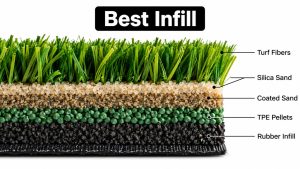
A properly maintained lawn doesn't just look better. It feels better underfoot. The fibers stay more upright, debris doesn't sit in the canopy, and drainage keeps working the way it should. In Austin, that last part matters. Wind-blown dust, dry leaves, and pollen don't stay on the surface forever. If they settle into the pile and infill, the turf starts to feel packed down and tired.
Practical rule: If your turf looks dull, smells off, or feels harder than it used to, cleaning is overdue even if it still looks green from the street.
The goal isn't perfection every day. The goal is keeping your turf close to its installed condition with small, repeatable habits and stepping up to deeper cleaning before buildup gets ahead of you.
What works and what doesn't
Homeowners often lose time with the wrong method, not from lack of effort.
What works:
- Regular debris removal with a blower, plastic rake, or stiff nylon broom
- Light rinsing to clear dust, pollen, and surface residue
- Cross-brushing to stand fibers back up
- Enzyme cleaners in pet areas where odor is tied to organic waste
What doesn't work well:
- Ignoring the lawn until it smells
- Using harsh household chemicals that leave residue or can affect the turf backing
- Scrubbing aggressively with metal tools
- Treating pet odor like a surface stain
A clean turf lawn is usually the result of steady routine care, not heroic one-time effort. That's the mindset that keeps an Austin yard looking sharp through heat, dogs, kids, and daily use.
Routine Care to Keep Your Turf Pristine
Most turf problems start small. A little pollen sits too long. A little foot traffic turns into matting. A little debris works down into the fibers. Routine care stops that chain before it becomes visible wear.

Your weekly Austin routine
In a climate like ours, weekly care does more than tidy the lawn. It protects the surface from heat and buildup. According to TurFresh's guide to cleaning artificial turf, a weekly regimen in sun-intense regions like greater Austin can prevent 85% of debris-induced matting and extend warranty life by 30% when done properly. The same guidance notes that rinsing for 5 to 10 minutes per square area when turf is below 100°F can reduce surface temperatures by 20 to 30°F, and cleaning in extreme heat above 110°F can reduce cleaner efficacy by 50%.
That's why timing matters here. Early morning or later evening is better than midafternoon. You're not just saving water. You're helping the rinse cool the blades, flush dust, and carry surface grime out before it dries back in place.
Use this simple weekly rhythm:
- Blow off loose debris: Leaves, twigs, seed pods, and dry buildup should come off first. A leaf blower is fastest, but a plastic rake works if you use a light touch.
- Rinse the surface: Use a hose with a gentle spray. Focus on traffic lanes, pet paths, and shaded corners where dust tends to settle.
- Check the edges: If debris collects along borders, clear it before it starts trapping moisture and dirt.
- Spot treat obvious messes: Don't wait on spilled drinks or food. Quick cleanup prevents sticky residue from attracting more dirt.
For homeowners comparing methods across climates, this article on how to maintain artificial lawn is a useful companion read. The principles carry over well, but Austin heat makes timing and rinsing discipline more important.
Monthly brushing that actually helps
Monthly brushing is where many lawns either stay fresh or start looking worn.
Brush against the grain with a stiff nylon broom or turf rake. Don't just sweep the top. Work in crossing passes so you lift flattened fibers from more than one direction. This is especially important on paths between the patio and gate, around play areas, and wherever furniture sits.
If the lawn looks shiny in one direction and flat in another, that's usually matting, not damage. A proper cross-brush often fixes it.
A good monthly check should include:
- Fiber lift: Are blades standing upright or laying over?
- Surface feel: Does the turf feel springy or packed down?
- Drainage response: After rinsing, does water move through cleanly?
- Problem zones: Are there pet areas, corners, or shaded sections that need more attention?
If water starts lingering after a rinse, the issue may not be the turf face yarn at all. It can be compaction or a drainage problem underneath. In that case, it helps to understand how yard drainage solutions affect long-term turf performance in Austin soils.
Removing Pet Waste and Eliminating Odors for Good
Pet turf is where DIY cleaning usually succeeds or fails.
A lot of homeowners do a solid job removing waste but still end up with odor. The reason is simple. Smell isn't just sitting on top of the grass blades. Urine moves down into the turf system, and if bacteria stay active in the infill and lower layers, the smell keeps returning no matter how often the surface gets sprayed.

Daily cleanup that keeps odors from setting in
For homes with dogs, quick cleanup matters more than aggressive cleanup.
Use this basic habit:
- Remove solid waste as soon as possible.
- Rinse the area to move residue through the turf.
- Let the spot dry.
- Use an enzyme cleaner on repeat-use bathroom areas, not just when odor becomes obvious.
The key word there is enzyme. Pet odor is organic. Standard soap might make the area smell cleaner for a short time, but it doesn't solve the source the way an enzyme product does. If you want a plain-language overview of why these products work, this guide to deep cleaning with bio-enzymatic solutions is helpful.
Why vinegar and fragrance sprays fall short
Household fixes often give a fast emotional win. They don't always give a lasting result.
Vinegar can cut some smell on the surface, and scented sprays can mask odor for a while. But masking isn't the same as neutralizing. If bacteria remain active below the surface, the smell comes back the moment heat and moisture rise again. In Austin summers, that cycle happens fast.
That's why the right question isn't “What smells strongest?” It's “What breaks down the waste causing the odor?”
Pet odor that disappears after cleaning and returns within a day or two usually means the issue is deeper than surface residue.
What a real deep sanitation process looks like
For pet-heavy turf, professional-grade cleaning is much more involved than hosing down the lawn. According to TurfWash's 10-step cleaning process, a 4-step enzyme protocol achieves 99.99% bacteria elimination. The process uses power washing at 1,500 to 2,000 PSI to flush organics, a non-toxic enzyme sanitizer with a pH of 7 to 8 that sits for 15 to 20 minutes to hydrolyze urea, and extraction with a powerful wet vac. The same source states this method outperforms household vinegar, which has about 60% efficacy on odor-causing bacteria.
That matters because true odor removal isn't just washing. It's four separate jobs:
- Flushing out organics
- Breaking down embedded waste compounds
- Extracting contaminated liquid instead of leaving it in place
- Reworking the fibers and infill after cleaning
When DIY is enough and when it isn't
DIY usually works when:
- The pet area is cleaned consistently
- Odor is mild and limited to one spot
- Drainage still feels normal
- The turf doesn't smell stronger after heat or rain
DIY usually stops being enough when:
- The same spot smells again right after cleaning
- Several areas smell at once
- The lawn feels sticky, damp, or compacted underneath
- You're rinsing often but not getting lasting improvement
If your yard was designed for dogs, the cleaning approach should match the use pattern. Surfaces, infill, and drainage all matter. This guide to artificial turf for dogs helps explain why some pet areas stay cleaner longer than others.
A Seasonal Schedule for Deep Cleaning Your Turf
By late August in Austin, the pattern is easy to spot. The turf still looks green from the patio, but the main walking path is laying flat, dust is packed low in the fibers, and pet areas start holding heat and smell faster after a rinse. That is the point where a normal cleanup stops being enough.
Routine care keeps the yard looking tidy. Seasonal deep cleaning protects the turf system itself, especially in a climate with intense sun, long dry stretches, sudden storms, and frequent watering limits.

The maintenance rhythm that preserves turf
The right schedule is simple. Stay consistent and adjust for how the yard is used.
In Austin, I recommend treating deep cleaning as a seasonal reset instead of waiting for visible problems. Heat hardens residue. UV dries out surface contamination until it clings to the blades and infill. Then a heavy rain can push that buildup deeper into the turf and expose drainage issues that were easy to miss during dry weather.
For a standard household, weekly debris removal, monthly brushing, and a deeper cleaning two to four times a year is a solid working schedule. Pet-heavy yards, rental properties, and entertaining spaces usually need the higher end of that range. Some need professional attention twice a year because brushing and rinsing alone will not correct compaction, embedded debris, or recurring odor.
A practical seasonal checklist
Use the year like this:
| Timing | Focus | What to do |
|---|---|---|
| Weekly | Surface cleanup | Blow off leaves and dust, remove debris, and do a light rinse only where needed |
| Monthly | Pile and infill recovery | Brush against the grain, loosen matted traffic lanes, and check for low or compacted areas |
| Spring | Post-pollen and storm cleanup | Clear organic buildup, flush dust out of the turf, and inspect drainage before heavy summer use |
| Summer | Heat and odor control | Watch pet zones, shaded corners, and high-use areas that bake in the sun |
| Fall | Full reset | Deep clean the surface, lift flattened fibers, and remove trapped debris before cooler weather |
| After heavy use | Targeted recovery | Clean up after parties, muddy periods, pet accidents, or construction dust |
| Twice yearly for pet-heavy yards | Deep sanitation and restoration | Bring in a professional if odor returns quickly, drainage slows, or the turf stays flat after brushing |
What deep cleaning includes
A proper seasonal deep clean goes beyond a hose rinse.
It starts with dry debris removal so leaves, seed pods, and dust are not turned into sludge. Then the turf needs aggressive brushing to lift the pile and break up compacted infill. After that, problem zones get flushed and cleaned with more attention than the rest of the yard. Pet runs, grill areas, and shaded edges usually need the most work in Austin because they collect residue faster and dry differently.
Drainage is part of the job too. If water starts sitting longer than it used to, or one section feels dense underfoot, the issue is often below the surface layer, not on top of it.
Turf usually ages faster when infill stays packed down and the fibers remain matted. Once that condition sets in, every rinse does less.
The honest trade-off
DIY works well for weekly cleanup and light monthly brushing. Seasonal deep cleaning is where labor, tools, and technique start to matter.
A homeowner can handle a lot with a stiff turf broom, a blower, and some time. But there is a clear limit. If the lawn has persistent flat spots, repeat odor after cleaning, slow drainage, or heavy pet use through an Austin summer, surface-level work stops solving the underlying problem. At that stage, a professional deep clean is less about convenience and more about protecting the investment you already made in the turf.
How to Remove Spills and Common Stains Safely
Not every turf mess is a sanitation problem. Some are just normal backyard accidents. A drink tips over. Grease drips near the grill. Kids track in something sticky. The trick is to clean the spill without creating a second problem with the wrong product or tool.

Start with the least aggressive option
For most common stains, speed matters more than strength. Blot or lift the mess first. Then rinse. If residue remains, use mild dish soap mixed with water and a soft cloth or soft brush.
That approach works well for:
- Soda and juice
- Food drips
- Mud
- Sunscreen residue on the surface
- General party messes
Avoid flooding the spot with heavy cleaner. You want to remove the spill, not leave soap trapped in the turf.
What to use and what to avoid
A simple guide helps:
| Situation | Use | Avoid |
|---|---|---|
| Sticky spills | Mild dish soap and water | Solvent-heavy cleaners |
| Fresh food mess | Rinse, blot, then gentle soap | Hard scraping tools |
| Greasy residue | Small amount of dish soap, careful rinse | Harsh degreasers |
| Chewing gum or wax | Ice to harden, then gentle lifting | Metal blades |
| General spot refresh | Soft brush and water | Bleach or strong acids |
Trouble signs that point to a bigger issue
Sometimes the stain isn't the actual problem.
If a spot keeps looking darker, feels tacky after cleaning, or holds water longer than nearby areas, that may point to residue buildup or compaction below the surface. If you notice shiny flattened patches, that's often a maintenance issue rather than a stain issue. The fibers may need brushing and infill adjustment.
Clean spills quickly, but don't attack turf like concrete. Artificial grass responds better to gentle removal and proper rinsing than brute force.
You may also see small weeds at the edges or seams. That usually means nearby debris and soil have been allowed to collect along the border. Pull the growth carefully and clear the edge so organic matter doesn't keep feeding it. If weeds keep returning in the same line, the seam or perimeter may need a closer inspection.
For most household spills, the safest method is also the simplest. Remove the mess, rinse thoroughly, use mild soap only if needed, and stop before the cleaning process becomes harsher than the stain itself.
When to Call a Professional for Turf Maintenance
DIY turf care has a clear limit. Knowing where that limit is can save the lawn.
If the issue is light debris, a recent spill, or routine brushing, handle it yourself. If the lawn smells clean after treatment and stays that way, your system is working. But some conditions point to problems below the surface, and those usually don't improve with more spray bottles and more elbow grease.
Signs the lawn needs more than routine care
Call for professional help if you notice any of these:
- Odor returns fast: You clean the area and the smell comes back quickly, especially after heat or moisture.
- The turf feels hard or crunchy: That usually points to compaction, residue, or both.
- Matting is widespread: A stiff broom doesn't lift the pile enough to restore the look.
- Water stops moving through properly: Rinsing leaves lingering wet spots or uneven drainage.
- Pet areas smell larger than the visible spot: That often means contamination has spread deeper than the surface footprint.
- The lawn looks dull even when it's clean: Deep debris and compressed infill can make the turf look tired even without obvious staining.
What professional equipment changes
There's a reason some turf issues don't respond to standard homeowner tools.
Professional maintenance crews use equipment that changes the result:
- Power brooms to decompact infill and lift fibers more evenly
- Infill regulators and grooming tools to restore the surface profile
- Hot water extractors or strong wet vac systems for deeper odor removal
- Controlled pressure washing methods for pet-heavy zones and embedded waste
That combination does two things. It cleans deeper, and it restores performance. Turf should drain, rebound, and stay sanitary. If it only looks cleaner for a day, the underlying issue is still there.
Calling a pro protects the original investment
Professional service isn't admitting defeat. It's maintenance discipline.
Artificial turf is built to last, but longevity depends on how the surface is treated over time. Once odors settle into the lower layers or compaction changes drainage, delaying service usually means more labor later. If your lawn is showing those symptoms, it makes sense to book a proper evaluation through a dedicated turf cleaning service in Austin.
A good service visit should leave the turf cleaner, more upright, better draining, and easier to maintain going forward. That's the standard worth paying for.
If your artificial turf has lost its fresh look, holds odor, or feels packed down underfoot, Modern Yard Landscapes can help restore it the right way. As an Austin-based team with decades of combined experience, full insurance, and a total satisfaction guarantee, they handle the deep cleaning, grooming, and turf care that DIY methods often can't match. Schedule an appointment and get your lawn back to clean, cool, and ready to use.