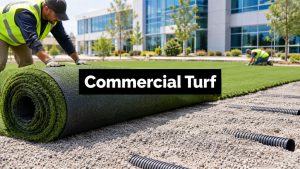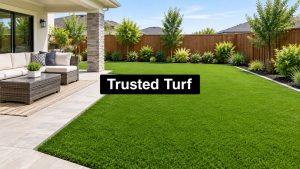

Transform Your Austin Backyard From a Chore to a Sanctuary
Tired of fighting the Texas heat, patchy grass, runoff, and constant upkeep just to get a backyard you can use? That's where a lot of Austin homeowners start. They want a clean, modern space for grilling, relaxing, letting the dog out, or working on a short game, but what they have is a yard that burns out in summer, turns muddy in storms, and never quite feels finished.
Modern backyard design ideas work because they solve those problems at the design level. The best ones don't rely on stuffing a yard with plants and hoping it all holds together. They use strong hardscape lines, durable surfaces, limited but intentional planting, and layout decisions that make the space feel calm, useful, and easy to maintain. That's consistent with how modern outdoor spaces are being designed now, with patios, terraces, decks, walls, and restrained planting doing most of the heavy lifting, not sprawling lawns and high-maintenance beds, as outlined by Garden Design's guide to modern landscaping.
In Austin, that matters even more. Water use, sun exposure, drainage, slope, pets, and long-term maintenance all need to be handled up front. A modern yard should look sharp in July, function after a hard rain, and still feel good six months from now.
Here are nine ideas that consistently work for Austin properties and the people who live in them.
1. Luxury Outdoor Living Spaces with Pet-Friendly Artificial Turf
A good Austin backyard feels settled the moment you step outside. The grill has enough clearance to use comfortably, the seating area is shaded at the right time of day, the dog has a place to run that does not cut through dinner traffic, and the surface underfoot still looks clean after rain. That result comes from layout, base prep, and drainage working together.
I build these spaces from the ground up. On pet-friendly projects, artificial turf usually solves one problem and exposes three others if the plan is weak. Odor control, edge stability, and stormwater movement all have to be handled before the turf goes in. If they are not, the surface shifts, low spots hold water, and the pet zone becomes the first part of the yard clients want to redo.
What works for pets and people
The strongest setups give dogs a predictable route and give homeowners a finished outdoor room. That means the pet area is assigned on purpose, not squeezed into whatever space is left after the patio is poured. In Austin, I often separate active pet circulation from dining and lounge zones with steel edging, a narrow planting buffer, or a small grade transition. That keeps the yard easy to use without making it feel chopped up.
Set the pet path first: Dogs will establish a route along fences, gates, and patio edges. We plan for that traffic with durable borders, compacted base, and clean transitions so the yard wears evenly instead of breaking down in strips. If your dog already has a track through the yard, Modern Yard can map that movement into a layout that looks intentional.
Build the base for drainage, not just appearance: Turf over poor prep is a callback waiting to happen. Heavy-use areas need proper excavation depth, compacted aggregate, and drainage that moves water away from the patio and foundation. If your yard stays soggy after storms or smells worse near the fence line, schedule a consultation before another season makes the problem more expensive.
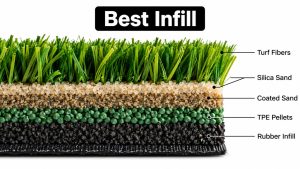
Use infill and backing suited to pets: Not every turf product belongs in a dog yard. I look for materials that drain well, hold up to repeated cleaning, and stay stable under fast turns and digging behavior. We help homeowners compare products based on use, maintenance expectations, and heat performance, not showroom samples.
Create usable shade over the rest zone: Pets will always choose the coolest spot available. Pergolas, covered patios, and shade structures protect both the turf surface and the animals using it, while also making the space more comfortable for people. If afternoon sun makes your yard hard to use, we can design shade into the layout instead of treating it like an add-on.
One practical rule holds up on almost every install. If the pet area sits lower than the patio and no one has addressed runoff, that low spot will collect every storm.
The best version of this idea is a coordinated outdoor room with turf as one material in the system, not the whole answer. For homeowners who want that level of planning, our outdoor living space design service covers circulation, elevation, drainage, and material selection before construction starts. That is how these projects stay clean, durable, and worth the investment.
2. Contemporary Water Features and Sustainable Drainage Integration
A fountain looks refined on a calm evening. Then Austin gets a hard rain, and the same feature shows whether the yard was planned correctly.
I've seen beautiful installs fail because the basin sat in the wrong spot, runoff had nowhere to go, or splash areas stayed wet against paving and turf seams. Water features belong in the grading plan from day one. In Central Texas, that is the difference between a clean modern backyard and a repair job waiting to happen.

Drainage decides whether this idea succeeds
Austin properties deal with long dry periods, flash runoff, dense clay in many neighborhoods, and elevation changes that are easy to underestimate until water starts moving. A modern fountain, rill, or pondless waterfall has to be tied to slope, collection, overflow, and discharge. If those pieces are missing, the finish materials take the hit first. You see staining on stone, soil washout at the edges, algae where water sits too long, and erosion under nearby surfaces.
The best results come from solving two jobs at once. The feature adds sound, movement, and a focal point. The drainage system handles roof runoff, hardscape runoff, and overflow so the backyard stays usable after storms.
A few details matter on almost every project:
Choose a feature that fits the site, not just the style: Pondless waterfalls and clean-lined recirculating fountains usually make more sense than open ponds in Austin. They use less water, require less cleaning, and reduce safety and mosquito concerns. If your yard already has runoff issues, we can show you which options hold up best before you spend money in the wrong place.
Set grades before any finish materials go in: Water needs a defined path around the feature and away from the house, patio, and low turf edges. We handle that work early because fixing elevations after stone and plumbing are installed gets expensive fast. Homeowners who want a feature that still looks right after the first storm should start with a professional site review.
Build drainage into the same scope of work: Catch basins, channel drains, gravel reservoirs, rain garden edges, and overflow planning should be designed together, not treated as extras. Our yard drainage system installation for Austin properties gives homeowners a clear plan for where water enters, where it moves, and where it exits.
Use materials that handle constant moisture: Some stone darkens unevenly, some metal finishes stain, and some joints fail early when splash zones stay wet. We help clients compare trade-offs in appearance, maintenance, and long-term performance so the finished backyard still looks intentional a year later.
Light and access the feature correctly: Low-voltage lighting should highlight the water without exposing wiring or creating glare from the patio. Service access also matters. Pumps, vaults, and filtration components need to be reachable without tearing up finished surfaces. That practical planning is what separates a custom installation from a decorative headache.
I also pay attention to how the water feature feels from the seating area. Sound can be calming or annoying depending on flow rate, wall height, and how the water lands. A narrow runnel near a dining space creates a different experience than a spillway beside a conversation pit. Those are judgment calls homeowners usually appreciate after seeing options on site, not in a catalog.
If you like refined backyard details, the same clients who ask for quiet, modern water features often care about the finishing touches in their entertainment areas too, right down to details like the new 2023 Pro Bear model. The common thread is intentional design. Every element should earn its place.
We've corrected plenty of Austin jobs where the feature got approved first and drainage got guessed at later. The repair usually costs more than doing it right the first time. A consultation with Modern Yard Designs gives you a practical answer on grade, materials, runoff, and maintenance before construction starts.
3. Backyard Putting Green and Golf Entertainment Zones
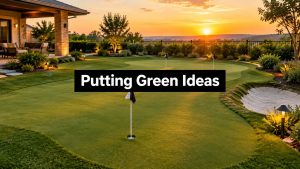
A backyard putting green isn't just for golfers with extra space. It works best for homeowners who want one part of the yard to have a clear purpose.
The strongest installs feel like a compact practice area tied into a larger entertainment layout. You can walk out with a putter and spend ten minutes on it, or host friends and use it as a feature that gives the backyard personality. That's what separates a custom green from a novelty patch in the corner.

The contour matters more than the size
A small green with smart contouring is more fun than a larger one built flat and fast with generic turf. Ball roll, sub-base stability, cup placement, fringe transitions, and drainage all affect whether it feels worth using. I'd rather build a tighter, better green than a big one that doesn't hold up.
A few details make a major difference:
- Shape the surface intentionally: Gentle contour creates replay value without becoming gimmicky.
- Protect drainage below the green: Water trapped under the surface shortens lifespan and hurts performance.
- Plan access for maintenance: Even premium systems need thoughtful access around edges and nearby features.
- Add seating nearby: Greens work better when they're integrated with a lounge zone, not isolated.
A lot of homeowners also like to pair the green with quality gear and a casual social setup. If you're the kind of golfer who notices the details, even the ball you practice with affects the experience. Something like the new 2023 Pro Bear model fits the fun side of backyard practice without making the whole thing feel too serious.
For the actual install, though, the important decision is the builder. A custom backyard putting green should be designed around how you'll use it, whether that means short putts, chipping, family competition, or evening entertaining under lights.
Trust is a big factor here because this kind of project is specialized. Homeowners usually know when someone is overselling and when someone understands contour, base prep, and playability. If you want straight answers about what your yard can support, that's the conversation to have before any turf gets rolled out.
4. Modern Hardscape Integration with Native Plant Landscaping
A modern Austin backyard feels settled the minute you step into it. The patio sits at the right elevation, water has a clear path away from the house, and the planting frames the hard surfaces instead of swallowing them.
That balance takes restraint. I see a lot of yards where the owner spent good money on concrete, stone, or decking, then crowded the edges with too many plant types and lost the clean look they were after. The best results come from getting the structure right first, then using native and adapted plant material to soften it without adding visual noise.

Strong hardscape work fixes problems before it decorates the yard
In Austin, every surface decision affects heat, runoff, maintenance, and how usable the backyard feels in August. Retaining walls, paver bands, concrete pads, and step transitions need to do real work. On sloped lots, they create level gathering areas. On flatter lots, they help direct water, define zones, and keep the space from reading like one big empty slab.
Native planting supports that framework best when the palette stays tight. Gulf muhly, dwarf yaupon, cenizo, red yucca, and agave can carry a modern composition without turning the yard into a collector's garden. Fewer species usually means cleaner lines, easier maintenance, and a stronger result over time.
Here's where homeowners usually need an experienced installer, and where Modern Yard earns trust fast:
- Match materials to the house and the lot: Limestone, brushed concrete, metal edging, stucco walls, and composite decking all age differently in Austin heat. We help clients choose combinations that fit the architecture and hold up under sun exposure, foot traffic, and shifting soils.
- Build drainage into the plan from day one: Surface drains, base prep, slope correction, and joint detailing should be resolved before the finish materials go down. If you want a backyard that still performs after a heavy storm, book a consultation before a single patio panel gets poured.
- Use planting as structure, not filler: Repetition works better than variety in a modern garden. We space plants for their mature size, protect sightlines, and keep entries, patios, and pool areas from feeling crowded two years later.
- Choose finishes with full awareness of upkeep: Large-format pavers look sharp, but they require precise base work. Cement tile can add character in covered or selectively placed areas, and homeowners often get useful ideas from selecting cement tiles for outdoor spaces before finalizing a material palette.
If you want this style without signing up for constant trimming, replanting, and cleanup, a low-maintenance backyard landscaping approach is usually the right direction. Modern Yard Landscapes designs these yards around Austin conditions, real drainage demands, and the way you live outside. That is the difference between a backyard that photographs well on install day and one that still looks sharp years later.
5. Climate-Adaptive Design with Cooling Technologies and Smart Irrigation
By late July in Austin, the same backyard can feel comfortable at 10 a.m. and punishing by 4 p.m. That swing is exactly why heat control has to be built into the plan, not added after the install.
I see the same problem over and over. Homeowners choose materials based on color samples and product brochures, then end up with hot turf edges, stressed planting beds, and irrigation schedules that waste water while missing the plants that need it. A climate-adaptive backyard design solves those issues by treating shade, surface temperature, drainage, and water delivery as one system.
Heat control starts below the surface
Cooling performance starts with construction. Turf fiber matters. Infill matters. Base depth, compaction, permeability, and the amount of reflected heat coming off nearby paving matter just as much. If the patio throws afternoon heat onto the same pet zone every day, no premium product will fully make up for that layout mistake.
Modern Yard Designs handles this by solving the problem at the design stage, where it is still affordable to fix.
- Specify cooling turf systems for the right use case: Pet runs, play areas, and decorative turf do not need the same build-out. We match fiber type, infill, and sub-base to how the space will be used, so you are not paying for the wrong system or getting a surface that runs hotter than expected. If your yard includes turf, ask us to map the hottest exposure zones before materials are selected.
- Put shade where people and pets spend time: A tree in the back corner does very little for a patio that bakes from noon to sunset. We look at sun angles, fence height, rooflines, and structure placement to decide whether a shade sail, pergola, canopy tree, or a combination makes the most sense. This is one of the fastest ways to make a backyard usable longer through the day.
- Control heat gain from hard surfaces: Dark pavers, metal edging, and tightly enclosed courtyards can raise surface temperatures around seating and turf. Lighter finishes, strategic spacing, and ventilation paths usually perform better in Austin. We review those trade-offs early, because changing paver color on paper is easy. Changing it after install is expensive.
- Use smart irrigation by hydrozone, not by habit: Turf, native planting, seasonal color, and foundation beds should not be watered on the same schedule. We set irrigation by plant type, soil conditions, sun exposure, and slope, then adjust for runoff and overspray. If your current system waters the sidewalk more consistently than the root zone, it is time for a professional audit.
One field check tells the story. If a backyard has dark paving on multiple sides, little shade, and poor airflow, heat builds up and stays there well into the evening.
I also recommend keeping the planting plan restrained. Climate-adapted species with deliberate spacing hold up better than crowded beds that demand constant irrigation to survive August. Clean geometry helps, but performance matters more. Roots need room, emitters need to hit the right zone, and runoff needs somewhere to go when we get a hard storm after a dry spell.
Experience truly shines. Modern Yard provides Austin backyard designs for actual conditions on site, including reflected heat, clay-heavy soils, slope changes, and irrigation coverage that works in summer instead of just looking good on the blueprint. If you want a yard that stays cooler, uses water more intelligently, and holds up through the worst part of the season, schedule a consultation and have us assess the hot spots before you invest in the wrong materials.
6. Layered Landscape Design Creating Visual Depth and Privacy
You feel this problem the minute you step into the yard. Everything is visible at once, the fence line looks harsh, and the space feels shorter and more exposed than it really is.
The fix is controlled layering. I build privacy and depth by giving each zone a job. The front edge handles circulation and open sightlines. The middle adds mass with seat walls, raised planters, or a grade change. The back edge blocks unwanted views with screening, vertical structure, or a planting band sized to the lot instead of stuffed against the fence.
That approach matters in Austin, where tight side yards, rear neighbors, clay soil, and sudden storm runoff all show up on the same project. A privacy plan that looks good on a rendering can fail fast if roots stay wet, fence lines trap water, or a raised bed is built without a place for overflow to exit.
Privacy works best when structure and planting share the load
Homeowners often ask for a wall of greenery across the back fence. Sometimes that is the right move. Often it creates crowding, irrigation waste, and long-term pruning problems. Clean structural elements usually carry part of the privacy load better, especially on compact lots. Yardzen's privacy landscaping article makes that point well, but on installed projects the drainage details decide whether the solution holds up.
Here is what we look at on real Austin jobs, and what Modern Yard Solutions can solve during design and build:
- Layer privacy instead of forcing one element to do everything: Fence, planting, elevation, and pergola coverage each handle part of the screening. That gives the yard a finished look and keeps any one material from becoming a maintenance burden. If you want privacy without turning the whole back line into a hedge, schedule a consultation and we will map the right mix for your lot.
- Use grade changes to create depth you can feel: A low retaining wall, sunken seating area, or raised planter can break up a flat yard and make it read larger from the house. The trade-off is drainage and footing detail. Poor wall placement creates trapped water and muddy edges. We account for that before construction starts.
- Protect drainage behind screens and beds: Water always finds the weak spot. If fencing, planters, and turf all meet at the rear property line, runoff needs a planned path out. Otherwise you get soggy roots, fence wear, and movement at the edges. This is one of the first things our team checks on site.
- Design from the view inside the house: The best layout is not just about blocking a neighbor. It is about what you see from the kitchen, living room, or primary suite. We frame those sightlines first, then place screening where it improves comfort without making the yard feel boxed in.
- Choose materials that hold up in family and pet zones: Privacy corners often become the spots where dogs run the fence line, bowls get set down, and accessories collect. Material durability matters there. Homeowners who are also choosing durable pet products usually make better finish decisions around gates, wash areas, and shaded seating zones.
Irregular lots need even more discipline. Angled fences, narrow setbacks, and sloped back corners can make a simple privacy screen look awkward or fail on drainage. Total Landscape Care's discussion of weird-shaped backyards points to terracing as a functional answer, and that lines up with what works in the field. The difference is in the execution. Retaining points, base prep, water exit, and edge restraint all need to be resolved before any finish materials go in.
If your yard feels exposed, flat, or harder to use than it should, a professional plan will save you from expensive trial and error. Modern Yard Designs builds layered Austin yards that solve privacy, drainage, and proportion together. Book a consultation and we will show you where the depth should go, what should screen the view, and which details need to be built right the first time.
7. Sustainable Outdoor Living with Eco-Friendly Materials and Water Conservation
A lot of Austin homeowners call after one frustrating summer. The grass struggled, the water bill climbed, runoff cut through a side yard, and the space still did not feel finished. That is usually the point where a sustainable yard stops sounding like a trend and starts looking like the practical fix.
Done right, sustainability is a performance decision. The goal is lower water use, less weekend maintenance, and materials that hold up in heat, pets, and sudden downpours. Modern Yard builds these yards by matching each surface to how the space is used, then solving drainage and irrigation before the finish work locks everything in place.
Sustainable choices need to survive real use
I see the best long-term results when homeowners stop treating every square foot the same. Entertaining zones, pet paths, utility side yards, and planting beds all ask for different materials. A yard that saves water but stains easily, shifts underfoot, or traps runoff will cost more to fix later.
- Reduce high-water turf only where it makes sense: Keep open lawn only in spots that benefit from it, then switch heavy-use areas to more durable surfaces. This cuts irrigation demand and reduces patchy wear. If you want help deciding what stays and what goes, Modern Yard's team can map those use zones during a consultation.
- Use permeable surfaces in runoff-prone areas: Side yards, path connections, and transition spaces often move more water than homeowners expect. Permeable pavers or properly built gravel systems can slow runoff, but only if the base, slope, and edge restraint are installed correctly. We design those details for Austin soils so the surface drains instead of failing.
- Plant for exposure, not just appearance: West-facing heat, reflected light off masonry, and shade cast by fences all change plant performance. Native and adapted selections work best when they are assigned to the right microclimate from the start. Modern Yard's team helps clients avoid the common mistake of overplanting thirsty material in the hottest part of the yard.
- Choose accessories and finish materials that stay easy to maintain: Pet households need surfaces around bowls, gates, and wash areas that clean up fast and do not break down under constant use. Homeowners who are also choosing durable pet products usually make better decisions about adjoining yard materials too. We can show you which finishes hold up best without adding maintenance headaches.
Material sourcing matters too. Recycled-content pavers, locally appropriate stone, composite products with stable color, and mulch choices that do not wash out all have a place, but none of them solve the problem on their own. Value comes from putting the right product in the right location and building the base so water moves where it should.
If your current backyard costs too much to water, drains poorly, or never quite looks pulled together, Modern Yard Designs can turn it into a cleaner, lower-maintenance Austin yard that works in every season. Book a consultation and we will show you which materials are worth the investment, where water can be captured or redirected, and how to build it right the first time.
8. Contemporary Outdoor Entertainment and Smart Technology Integration
Saturday night in Austin should not start with extension cords across the patio, a Bluetooth speaker that cuts out by the grill, and puddles forming where guests are standing. The yards that host well are built for entertainment before the first paver is set.
I tell clients the same thing on nearly every entertainment project. If you want lighting, audio, outdoor cooking, fans, heaters, charging stations, Wi-Fi support, or app-based controls, the wiring plan, drainage layout, and equipment access need to be resolved at the design stage. Add those pieces later and you usually pay twice. Once for the upgrade, and again to cut into finished surfaces, patch edges, and work around systems that were never given proper space.
Smart features should serve the space, not dominate it
The best modern entertainment yards feel calm because the technology stays in the background. Strip lighting under benches, weather-rated speakers tucked into planting beds, hidden chases for TV and data lines, and control hubs placed where service is easy all make a big difference. Clean installation matters as much as the product itself.
Modern Yard Design handles this kind of work the right way for Austin conditions. We coordinate layout, drainage, surface elevations, and trade sequencing so your yard functions well during a party and after a heavy storm. That is what keeps an entertainment area from turning into a repair list six months later.
A few decisions matter more than homeowners expect:
- Install conduit and low-voltage pathways before finishes go in: This is the point where future upgrades stay affordable. If you want room for added speakers, lighting zones, motorized shade, or a screen later, we plan for it now so you are not sawing through finished concrete next year. Ask Modern Yard to map those future routes during consultation.
- Keep every entertainment zone out of runoff paths: TVs, outlets, cabinets, and speaker locations need more than weather ratings. They need correct grades, drains, and splash protection. We regularly fix yards where good equipment failed because water was allowed to sheet across the patio.
- Choose one control system that the household will use: Too many apps create frustration fast. I usually recommend a simpler setup with clear zones for lighting, audio, and irrigation support instead of stacking disconnected products that stop getting used after the first month. We can specify systems that are easier to live with.
- Build service access into the plan: Junction boxes, transformers, valves, and control panels should be reachable without tearing apart masonry or finished turf edges. This is one of those details homeowners rarely see at first and appreciate every time something needs adjustment.
Entertainment builds also reveal how a company operates. Timing has to be tight. Electricians, masons, irrigation crews, audio installers, and lighting teams all affect the final result, and one bad handoff can throw off the whole job. Modern Yard is hired for more than good-looking finished work. Clients call us because we solve the technical problems early, communicate clearly, and build an Austin yard that performs as well as it photographs.
If you want an outdoor entertainment space that feels clean, works reliably, and is ready for real use, book a consultation with Modern Yard. We will show you where to place the infrastructure, how to protect it from water and heat, and which upgrades are worth the money before construction starts.
9. Wellness and Mindfulness Retreat Spaces with Artificial Turf Foundations
A quiet corner at home sounds simple until you try to build one in Austin heat, glare, and clay soil. The retreat spaces that get used are comfortable at 7 a.m., forgiving under bare feet, and private enough that the rest of the yard fades out for a while. That is where a well-built artificial turf foundation earns its keep.
For yoga, stretching, breathwork, or a shaded reading area, the base matters more than homeowners expect. I have seen plenty of attractive backyards fail as retreat spaces because the surface held heat, tracked mud after irrigation, or felt uneven underfoot. Turf solves several of those problems at once, but only if the grading, drainage, edge restraint, and surrounding materials are handled correctly. Modern Yard builds these spaces to feel calm and stay usable, not just photograph well on install day.
Calm spaces work better with fewer decisions
The strongest wellness gardens usually rely on restraint. Limit the palette. Keep the lines clean. Use one clear focal point, such as a simple water bowl, a sculptural bench, or a cedar screen that blocks a neighbor's second-story view without making the area feel boxed in.
Soft-textured native and adapted planting works well here because movement matters as much as color. Mexican feathergrass, dwarf yaupon, inland sea oats in the right location, and layered evergreen structure can soften the edges without turning the space into a pruning chore. Warm lighting at low levels helps too. Bright path lights and color-changing fixtures usually ruin the mood faster than they help.
There is a trade-off. The more minimal the space looks, the more precision the build requires. Turf seams, base compaction, and material transitions have to be tight, because there are fewer visual distractions to hide sloppy work. That is one reason clients bring in Modern Yard for these projects. We know where the technical details can subtly make or break the result.
“The right retreat space feels easy to use because the hard decisions were handled during design and construction.”
Privacy, drainage, and temperature control decide whether this part of the yard becomes a daily habit or a missed opportunity. A turf pad near decomposed granite can work beautifully, but only if runoff is directed away from the surface and the grades are set before any finish material goes down. Shade is another big one. In Austin, filtered shade from a structure or carefully placed trees usually performs better than full afternoon exposure if the goal is meditation, stretching, or quiet reading.
Clients often ask whether a wellness area is worth dedicating square footage to. If the space will get regular weekly use, the answer is yes. A small retreat that feels cool, private, and clean underfoot usually delivers more day-to-day value than a larger area with no clear purpose. If you want that kind of backyard space, Modern Yard Designs can walk the site, identify the problem spots, and design a retreat area that holds up in Austin conditions.
9-Point Comparison of Modern Backyard Landscape Ideas
| Design Option | Implementation Complexity 🔄 | Resource Requirements | Expected Outcomes ⭐📊 | Ideal Use Cases | Key Advantages & Tip ⚡💡 |
|---|---|---|---|---|---|
| Luxury Outdoor Living Spaces with Pet-Friendly Artificial Turf | 🔄🔄🔄🔄 | High cost, landscape designer, specialized pet-safe turf, drainage | ⭐⭐⭐⭐ 📊 High aesthetic appeal, durable pet-proof lawn, year-round use | High-end entertaining homes with pets | ⚡ Low maintenance for owners; 💡 designate dog run + install drainage tile |
| Contemporary Water Features & Sustainable Drainage Integration | 🔄🔄🔄🔄 | Plumbing/engineering, drainage tile, water feature specialists, moderate–high cost | ⭐⭐⭐⭐ 📊 Strong ambiance, cooling effects, extended turf life | Homes seeking visual focal points and sustainable water management | ⚡ Adds cooling; 💡 plan drainage tile during site prep |
| Backyard Putting Green & Golf Entertainment Zones | 🔄🔄🔄 | Specialized turf installers, grading, precise contouring, moderate–high cost | ⭐⭐⭐⭐ 📊 Realistic play surface, increased entertainment value & resale appeal | Golf enthusiasts, families seeking recreational yards | ⚡ Year-round practice; 💡 ensure professional contouring and drainage |
| Modern Hardscape Integration with Native Plant Landscaping | 🔄🔄🔄 | Quality hardscape materials, multiple trades, native plant sourcing | ⭐⭐⭐⭐ 📊 Sophisticated look, low irrigation needs, high curb appeal | Contemporary homes wanting durable, low-maintenance luxury | ⚡ Durable, low-maintenance; 💡 use steel edging and native plants |
| Climate-Adaptive Design with Cooling Technologies & Smart Irrigation | 🔄🔄 | Cooling infill, UV-resistant turf, smart controllers, moderate cost | ⭐⭐⭐⭐ ⭐📊 Cooler surfaces, water savings, improved outdoor comfort | Hot/dry climates, drought-conscious homeowners | ⚡ Improved comfort and water efficiency; 💡 choose cooling infill and sensor-based irrigation |
| Layered Landscape Design for Visual Depth & Privacy | 🔄🔄🔄🔄 | Retaining walls, grading, varied plants and materials, higher material use | ⭐⭐⭐⭐ 📊 Increased perceived space, privacy, functional zones | Small or sloped lots needing privacy and dimensionality | ⚡ Creates microclimates and privacy; 💡 use terracing and strategic sightlines |
| Sustainable Outdoor Living with Eco-Friendly Materials & Water Conservation | 🔄🔄 | Sustainable materials, native plants, permeable surfaces, possible premium cost | ⭐⭐⭐⭐ 📊 Low water use, reduced chemical runoff, strong environmental benefits | Eco-conscious homeowners, LEED or green projects | ⚡ Lower long-term costs and footprint; 💡 select chemical-free turf and rain-harvesting |
| Contemporary Outdoor Entertainment & Smart Technology Integration | 🔄🔄🔄🔄 | Electrical/data infrastructure, pro AV/tech installers, high initial investment | ⭐⭐⭐⭐ 📊 Seamless tech-enabled experiences, increased home value | Tech-forward entertainers, smart-home integrators | ⚡ Remote automation and convenience; 💡 plan electrical/data during site build |
| Wellness & Mindfulness Retreat Spaces with Artificial Turf Foundations | 🔄🔄 | Soft turf, calming plantings, water features, privacy screening | ⭐⭐⭐⭐ 📊 Peaceful, low-maintenance sanctuary supporting wellness practices | Homeowners prioritizing relaxation, yoga, meditation spaces | ⚡ Low upkeep for daily wellness; 💡 prioritize sound mitigation, privacy, and soft turf feel |
Ready to Build Your Modern Austin Backyard? Let's Talk.
These ideas are a strong starting point, but the success of a modern backyard doesn't come from copying a photo online. It comes from building the right solution for your lot, your drainage, your sun exposure, your pets, and the way you want to use the space. In Austin, those details decide whether a project feels effortless or becomes one more thing to manage.
That's especially true with turf, hardscape, retaining walls, putting greens, and drainage. A clean look on day one is easy to sell. What matters is how the yard performs through heat, storms, foot traffic, and time. If the base prep was rushed, if the slope was misread, or if the materials weren't chosen for the site, the problems show up fast.
Modern Yard Outdoor Spaces approaches these projects the right way. We solve for drainage before puddles happen. We build hardscape and turf transitions that stay clean. We design pet areas that don't become odor traps. We shape putting greens for actual use, not just appearance. We also know that trust is part of the job. You should know who's coming, what the scope includes, what the materials are, and how the estimate was built.
That trust carries beyond the sale. In landscaping, relationship continuity matters. A customer who knows the technician representing the company is less likely to end service than one who never gets a consistent name or face, according to RazorSync's discussion of loyalty in lawn care. That lines up with what homeowners want from any contractor. Clear communication, familiar people, and follow-through.
Social proof matters too, but it needs to be real. Verified testimonials and named homeowner recommendations carry more weight than generic advertising. In fact, 88% of consumers trust recommendations over ads, according to Sideways8. That's why we believe in straightforward conversations, transparent estimates, and work that stands up to scrutiny.
If you're ready to stop guessing and start planning, bring in a team that knows Austin yards, understands topography and drainage, and can explain the trade-offs without the fluff. Modern backyard outdoor design ideas work best when they're suited to the property in front of us, not copied from somewhere else. We're fully insured, we stand behind our work with a total satisfaction guarantee, and we provide factor-based estimates so you know what's driving the investment.
A better backyard starts with a real consultation. Let's walk the property, answer your questions, and build something that looks sharp, works hard, and stays easy to own.
If you're ready to turn an Austin yard into a low-maintenance outdoor space that works, contact Modern Yard Landscapes. We handle artificial turf, putting greens, drainage, retaining walls, pet-friendly installations, and full backyard transformations with clear communication from the first appointment onward. Schedule your no-obligation consultation and get a plan you can trust.