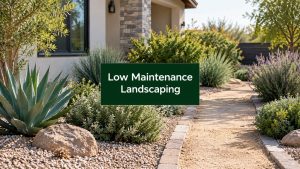

A lot of Austin backyards look fine from the window and work poorly in real life. The grass gets scorched, the patio is too hot by midafternoon, drainage turns one corner into a mud strip, and the whole space ends up being something you mow and maintain instead of somewhere you want to spend time.
Good outdoor living space design fixes that. It turns a yard into a place you use for dinner, quiet mornings, weekend grilling, and evenings outside when the house feels too closed in. It also has to survive Texas heat, hard rain, shifting soil, and heavy use without becoming a maintenance project you regret.
From Unused Yard to Your Favorite Room
Step into a typical Austin backyard at 5 p.m. in August. The concrete is still throwing heat, the only chair with any shade is taken, and the part of the yard that looked generous on paper feels disconnected once people start moving through it. That is usually the moment homeowners stop asking for more square footage and start asking for a space they can use.
The goal is not to fill a yard with features. The goal is to build a room outside that stays comfortable, drains correctly, holds up to sun and storms, and fits the way your household spends time at home. In Central Texas, good design has to perform first. If it does, the space also looks better because it feels settled, practical, and easy to maintain.

What makes a space livable
A finished patio can photograph well and still fail in daily use. I judge these projects by what happens after the install. Does the seating area stay usable during hot months? Does runoff move away from the house? Do surfaces stay stable through drought and heavy rain? Can people walk from the door to the grill, dining table, turf, or pool without awkward detours?
The spaces that get used consistently usually share the same traits:
- They control heat: Shade placement, surface temperature, and air movement matter more than decorative extras.
- They support real circulation: Furniture layouts need clear paths, not leftover gaps.
- They reduce upkeep: Materials should resist staining, shifting, and early wear in Texas conditions.
- They connect to the house: The yard should feel like an extension of daily life, not a separate zone that only works for special occasions.
Homeowners often spend heavily on the visible pieces and leave performance problems for later. That is where budgets get hurt. A patio that needs to be torn up for grading correction costs far more than handling drainage before construction. If water already ponds or pushes toward the house, review practical yard drainage solutions for sloped and problem areas before finalizing the layout.
Budget discipline matters early, too. Covered structures, paving, utilities, and drainage add up fast, and costs shift based on access, grade, and material choice. A planning resource like Rescreen Rescue outdoor space pricing can help set realistic expectations before you commit to a scope that looks good in a sketch but fights the site.
Good outdoor living space design gives each part of the yard a job. A dining area needs shade and enough clearance for chairs. A lounge area needs comfort in the late afternoon, not just in the morning. Open lawn or turf should be placed where it can survive wear and irrigation limits. Those decisions are what turn an unused yard into the part of the home people choose first.
Start with a Smart Site Assessment
Every strong outdoor living project starts the same way. Walk the property slowly and look at it as a system, not just a blank canvas. In Austin, sun exposure, slope, access, and water flow can change the entire design.
Read the site before you design it
Most homeowners naturally focus on the view from the back door. That's understandable, but it's only one piece of the puzzle. The more important questions are practical.
Ask yourself:
- Where does the afternoon sun hit hardest: West-facing exposures can make a seating area uncomfortable if there's no overhead cover or screening.
- Where does water move during a heavy rain: Even a small low spot can cause standing water near a patio, turf edge, or foundation.
- How do people enter the yard: If materials and equipment can't move in easily, installation gets more complicated and more expensive.
- What do you need to hide: AC units, neighboring windows, utility boxes, and fence lines all affect placement.
- What already works: Mature trees, existing grade changes, and a naturally shaded corner can save money if the design uses them well.
A one-size-fits-all plan usually fails because no two Austin lots behave the same way. A flat suburban yard and a sloped Central Texas lot with runoff pressure need completely different solutions.
Focus on the problems that get expensive later
Homeowners often underestimate drainage because they only notice it during storms. Contractors who build enough outdoor spaces know better. Water issues show up later as paver movement, muddy edges, erosion, algae, and foundation concerns.
If you already see runoff channels, soggy areas, or pooling near the house, deal with that before adding hardscape. It's much easier to solve water movement early than to tear out finished work later. For yards with those issues, a page like yard drainage solutions in Austin gives a good overview of the types of fixes that may be needed before any patio or turf install moves forward.
Practical rule: If the site doesn't drain well now, a new patio alone won't solve it. It may concentrate the problem.
Watch the yard at different times
A yard can feel completely different at 9 a.m., 2 p.m., and sunset. I always tell homeowners to spend a few days noticing where they naturally want to sit, where the glare becomes unbearable, and which route people take from the house to the yard.
That observation changes design decisions fast. A dining area placed for the view may be wrong if it sits in punishing late-day sun. A grill tucked into a corner may look clean on paper but fail if smoke collects near a door or if the cook has to walk too far from the kitchen.
Good site assessment isn't glamorous. It's what keeps the finished space from feeling awkward.
Create Functional Zones for Living
Once the site makes sense, the next step is layout. Through layout, outdoor living space design stops being a collection of ideas and starts becoming a usable plan.
A backyard works better when it's divided into clear zones instead of one oversized patio trying to do everything at once.

Size the main zone correctly
Undersized patios are one of the most common layout mistakes. They look acceptable when empty and feel cramped the moment you add chairs, a table, or a grill.
Industry guidance recommends at least 10 feet of usable depth for a primary zone, movement paths shouldn't cut through work areas or conversation circles, and seat walls are typically built at 18 to 20 inches high for comfort according to Site Group Landscaping guidance on outdoor living design.
Those aren't decorative details. They affect whether the space feels easy or irritating.
Build around how people move
The best layouts let people circulate without crossing through the active part of another zone. If someone has to walk through the grill area to reach seating, or cut between chairs to reach the yard, the plan is fighting itself.
A practical backyard often includes these zones:
- Cooking zone: Grill, prep surface, and landing space near the house for convenience.
- Dining zone: Close enough to the kitchen to serve meals easily, but not blocking the back door.
- Lounge zone: Seating arranged for conversation, not pushed around the perimeter like a waiting room.
- Quiet corner: A small retreat for reading, coffee, or catching shade away from the main activity.
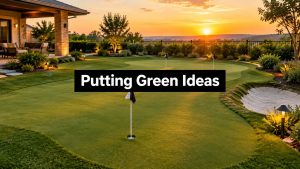
Some families need a fifth zone for pets or a play surface. Others want a putting area or a flexible open section for gatherings. The point is to assign purpose before pouring concrete or setting pavers.
Common layouts that work
Narrow backyards usually do better with a linear layout. Wider lots can support grouped rooms with stronger separation. Sloped yards often need level changes handled carefully so the transitions feel natural and safe.
If you're planning an outdoor kitchen, it helps to study layouts that keep prep, cooking, and seating from colliding. A useful example set is outdoor kitchen layout ideas from Van Dyke Outdoors, especially for thinking through island placement and circulation.
Don't treat every square foot the same. High-value space belongs where people gather most often, not where the drawing happens to leave room.
What doesn't work
A few design choices almost always disappoint:
- One giant slab with no purpose: It feels empty when lightly furnished and crowded when fully furnished.
- Furniture-first layouts: Buying pieces before defining circulation leads to awkward spacing.
- Too many features in a small footprint: Fire pit, dining set, grill island, and oversized sectional can overwhelm a modest yard fast.
- Ignoring door alignment: If the main traffic line from the house cuts through the center of the patio, every gathering feels interrupted.
The goal isn't to add more. It's to make each zone earn its footprint.
Choose Materials for Austin's Climate
A patio that looks great in spring can become harsh, slippery, or high-maintenance by August. In Austin, material choices have to hold up to intense sun, fast temperature swings, clay soils, and heavy rain that can show up all at once. Good selections keep the space cooler, drain well, and age without constant repair.
Long-term durability starts with surfaces that can handle moisture, UV exposure, and seasonal movement. That approach shows up in outdoor living material guidance from Broward, which stresses weather-resistant materials and drainage planning instead of choosing finishes by appearance alone.
Compare materials by ownership cost
Installation price matters, but it is only part of the decision. In Central Texas, the better question is how a surface performs after three summers, a few hard storms, and regular foot traffic.
| Surface Material Comparison for Austin Yards | Upfront Cost | Maintenance Level | Water Usage | Best For |
|---|---|---|---|---|
| Natural grass | Lower to moderate | High | High | Homeowners who want a traditional lawn and accept regular upkeep |
| Artificial turf | Moderate to higher | Low | Low | Pet areas, clean green space, low-maintenance family yards |
| Concrete pavers | Moderate to higher | Low to moderate | Low | Patios, walkways, dining zones, flexible hardscape layouts |
| Natural stone | Higher | Low to moderate | Low | Premium patios, pool surrounds, long-term durability |
| Composite decking | Moderate to higher | Low | Low | Elevated transitions, select lounge areas, lower-maintenance deck builds |
| Gravel or decomposed granite | Lower to moderate | Moderate | Low | Informal paths and secondary seating zones where movement is lighter |
Choosing your lawn surface. Turf vs. grass
For many homeowners here, lawn area is where maintenance costs start piling up. Natural grass can still make sense if you want a living lawn and are prepared for irrigation, mowing, weed control, and seasonal recovery. It asks for steady input, especially through summer.
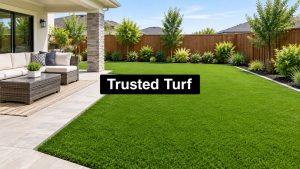
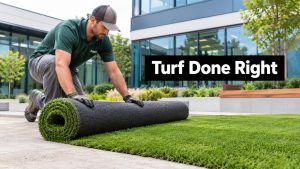
Artificial turf works best in specific zones, not across every inch of the yard. I usually recommend it for dog runs, side yards, play areas, or places where shade is limited and natural grass keeps failing. It cuts water use and day-to-day upkeep, but it also stores heat, so it needs to be placed carefully and paired with shade or cooler adjacent materials.
That trade-off matters in Austin. A smaller turf area in the right location usually performs better than forcing real grass to survive where it clearly does not want to grow.
Selecting hardscape materials that last
The surface you see is only half the system. The base depth, compaction, grading, and edge restraint usually decide whether a patio stays flat or starts shifting after a wet season.
Pavers are a strong fit for many Austin homes because they handle soil movement better than a large poured slab and are easier to repair in sections. Homeowners sorting through finish options often look at broad visual references like the Tiles Mate Pty Ltd guide, but appearance should be only one filter. Surface temperature, slip resistance, joint performance, and drainage matter just as much.
For patios and entertaining areas, patio paver installation in Austin usually makes the most sense when the material choice is coordinated with drainage from the start.
Natural stone holds up well and can stay cooler underfoot than some manufactured products, but stone choice matters. Some dense stones perform beautifully in full sun. Others stain, flake, or become slick around water. Composite decking reduces maintenance compared with wood, though it can still get hot in direct exposure and needs proper framing and airflow underneath.
Materials I avoid in many Austin backyards
A few choices create repeat problems:
- Thin surface installs over weak base prep: These settle, crack, or separate early.
- Dark finishes in full sun: They can become uncomfortable during peak heat.
- High-maintenance wood in exposed locations: It often turns into an annual refinishing project.
- Decorative paving without a drainage plan: Water finds the low spot fast, and it usually ends up where people walk or sit.
The best material palette is the one that still works after a hot summer, a pounding storm, and a full year of real use. In Austin, performance has to come before trend.
Integrate Essential Features and Lighting
Many Austin yards look finished in daylight but fall apart at 7:30 p.m. The patio is there and the furniture is there, but there is nowhere comfortable to sit in August, no light where people walk, and no support for how the family uses the space after work.

Put shade and air movement first
Before adding a fire feature, bar seating, or a full outdoor kitchen, get the comfort layer right. In this climate, that usually means overhead cover, fan placement, and enough clearance to keep hot air from getting trapped.
Pergolas can work well, but they are not all equal. An open-roof pergola gives structure and some filtered relief, but it will not protect seating or cooking areas during a hard summer sun or a quick storm. A covered extension costs more up front, yet it usually delivers more usable hours and better long-term value if the space is meant for regular dining or evening use.
Built-ins should follow that same logic. Add them where they solve a real need, not where they only fill space.
Use lighting in layers, not as decoration
Good lighting supports movement, cooking, conversation, and cleanup. It also keeps the yard from feeling flat at night.
I usually break it into four jobs:
- Ambient lighting: Soft overhead or indirect light for dining and lounging
- Task lighting: Focused light at grills, prep counters, outdoor sinks, and serving areas
- Safety lighting: Clear illumination at steps, grade changes, gates, and path transitions
- Accent lighting: Select highlights on a wall, specimen tree, or focal feature
The mistake I see most often is over-lighting. Bright fixtures aimed at eye level create glare, wash out the atmosphere, and make a patio feel more like a parking lot than an outdoor room. A better plan places light where people need it and keeps the source discreet. Homeowners comparing fixture types and placement can review lighting design options for your yard in Austin before finalizing the layout.
Worth remembering: If guests notice the bulbs before they notice the space, the lighting plan needs work.
Choose features you will use weekly
The right add-ons depend on habit, not aspiration. A family that grills three nights a week may get real value from a built-in cooking zone with counter space and storage. A homeowner who mostly unwinds after sunset may be better served by deep seating, a ceiling fan, and low-glare lighting.
Features that often earn their footprint include:
- Outdoor kitchens for households that cook and entertain often
- Built-in seating in tighter patios where loose furniture blocks circulation
- Fire features for cooler evenings and a defined gathering area
- Storage for cushions, serving pieces, and maintenance items
- Fans and weather-rated fixtures in covered areas used through summer
The expensive mistake is copying a photo instead of matching features to real use. In Austin, the best outdoor spaces are not the ones with the longest amenity list. They are the ones that stay comfortable, function after dark, and still feel easy to maintain a year from now.
Design for Water Scarcity and Intense Heat
By late July in Austin, the weak points in a yard show up fast. Turf thins out, unshaded paving throws heat back at the house, and one hard rain can send water toward the patio instead of away from it. Good outdoor living space design accounts for those conditions from the start.
Heat and water are connected here. A yard that sheds stormwater poorly often bakes harder in dry weather, and a yard built with too much exposed hardscape stays hot well into the evening. As noted in Houzz coverage on design solutions shaped by site conditions, practical choices such as permeable base systems, retaining walls for slope control, and shade structures directly affect whether an outdoor space stays usable after extreme weather.
Reduce heat where people actually feel it
Start with the areas used most. Dining patios, paths between doors, pet runs, and any seating that gets afternoon sun deserve the closest attention. I see plenty of yards that look balanced on paper but become uncomfortable because the hottest surfaces sit exactly where people spend time.
A better plan usually includes:
- Overhead shade: Covered structures, pergolas, or well-placed shade elements over seating and dining areas
- Cooler surface choices: Materials selected for lower heat absorption, long-term durability, and easier maintenance
- A measured hardscape footprint: Enough paving for circulation and furniture, without turning the yard into a heat sink
- Green areas that stay clean and usable: Especially where kids play or dogs run, so those zones do not become dust in August and mud after rain
For homeowners weighing lower-water options, drought-resistant lawn alternatives in Austin can help compare where turf still makes sense and where another surface will perform better.
Manage runoff before it reaches the patio
Drainage problems are cheaper to solve on a plan than after installation. In Austin, that matters because many sites have clay-heavy soil, quick downpours, and subtle grade changes that are easy to miss until water starts collecting.
Focus on four questions early:
- Where will roof water discharge, and where will surface runoff end up
- Whether the grade needs correction or support walls to slow and direct water
- Which paved areas need permeable base systems for stability and drainage
- Which edges need protection from erosion, mulch washout, or muddy overflow
The goal is simple. Keep water moving away from the house, off gathering spaces, and out of low spots that stay soggy.
Shade keeps a space usable in August. Drainage keeps it usable after a storm.
Design for August, not April
Fresh installation hides a lot. Almost any yard looks good in mild weather, right after cleanup, and before a full season of foot traffic. The better test is how the space holds up after a long hot stretch, a week of scattered rain, and regular use by pets, guests, and family.
If surfaces stay cooler, drainage stays controlled, and the planted areas do not demand constant rescue, the design is doing its job. In Austin, that is what separates a yard that photographs well from one that earns daily use year-round.
Turn Your Vision Into a Reality
The backyards that age well aren't accidents. They come from a clear process. The site gets studied first. The layout is built around movement and real use. Materials are chosen for climate and maintenance, not just appearance. Shade, lighting, and drainage are planned as part of the system.
That's what keeps a project from becoming an expensive patchwork of upgrades. It also helps you avoid the common frustrations homeowners call about later. A patio that's too small. Turf that was installed over poor prep. Water collecting against hardscape. Features added in the wrong order.
In Austin, outdoor living space design needs to do more than look finished. It needs to stay functional through heat, rain, pets, entertaining, and everyday wear. If it can't do that, it won't become part of your routine. It'll just become another thing to maintain.
The good news is that a well-designed yard doesn't need to be oversized or overloaded with features. It needs to be deliberate. Even modest spaces can feel comfortable, useful, and polished when the layout, materials, and climate strategy all support each other.
If you're thinking about upgrading your backyard, start with the questions that matter most. How do you want to use it? Where does the site fight you right now? Which surfaces will still make sense in a few years, not just this season? Those answers shape a better project from day one.
If you want help planning a backyard that's built for Austin conditions, Modern Yard Landscapes can help you evaluate the site, sort through the right materials and drainage approach, and turn the space into something you'll use year-round.