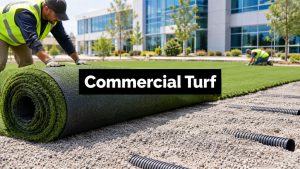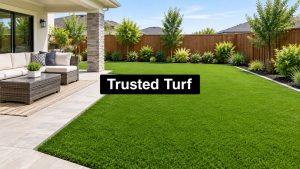

You're probably at the stage where the green is in, the fringe looks sharp, the contours feel right, and the whole backyard is finally starting to look like the project you had in your head from day one. Then you look at the cup area and realize the last decision still matters. A lot.
That last decision is the flag.
Most homeowners treat custom putting green flags like a small accessory. I don't. In a well-designed Austin backyard, the flag is the visual cue that tells your eye this isn't just a patch of turf. It's a finished golf feature. It gives the green scale, identity, and purpose. It also affects visibility, durability, and how polished the whole install feels from the patio, pool deck, or kitchen window.

If you're choosing final details right now, you deserve straight answers, not fluff. Trust matters here because you're not just buying a flag. You're finishing a custom outdoor feature that should look right, play right, and hold up in Austin weather. And consumers are significantly more likely to schedule appointments with companies they trust, especially when those companies are transparent, educational, and focused on the client's real needs instead of pushing a sale, as noted by Evolved Contact on the psychology of appointment setting.
A good installer helps you avoid the small mistakes that make an expensive backyard feature look homemade.
That's why I'm opinionated about custom putting green flags. The right one completes the project. The wrong one fades, frays, clashes with the design, or looks cheap against an otherwise premium build.
The Finishing Touch on Your Perfect Backyard Green
The green itself does the heavy lifting. The flag delivers the finish.
When you step outside in the morning and see a clean hole location with a flag that fits the style of the yard, the space feels complete. That's true whether your design leans modern, classic country club, Hill Country resort, or family-friendly practice zone. Without that finishing detail, even a strong green can look unfinished.
Why the flag matters more than most homeowners think
A putting green has a focal point. It isn't the fringe. It isn't the edge restraint. It isn't even the contour, although that matters. The focal point is the hole, and the flag is what pulls your eye there from a distance.
That's why I push homeowners to stop thinking in terms of “just grab a flag online.” A random flag might fit the pole. It might even look decent for a few weeks. But it usually won't match the scale, material quality, or design language of the rest of the project.
Three things happen when you choose well:
- The green looks intentional. The whole installation reads like a designed outdoor feature, not a DIY add-on.
- The flag stays legible. Your hole marker, number, logo, or color field remains visible from where you spend time.
- The space feels custom. That matters in luxury backyards. Personal details separate a basic install from a memorable one.
Honest guidance beats a hard sell
Homeowners call when they feel informed. That's not a theory. It's how people buy service work with confidence.
You shouldn't have to guess whether a certain material will survive Texas sun, whether a bright flag will look tacky, or whether your pole hardware will fit the cup correctly. You should get clear recommendations based on your yard, your style, and how you'll use the green.
Practical rule: If the flag choice is disconnected from the rest of the green design, the project will look pieced together.
Custom putting green flags aren't an afterthought. They're the final design decision that ties aesthetics and playability together.
Choosing Your Flag Material for Austin's Climate
Austin is hard on outdoor materials. The sun is relentless, wind shows up when it wants, and anything low-grade gets exposed fast. If you want your flag to keep its shape and color, start with material, not graphics.

The materials I'd actually recommend
For premium custom putting green flags, DuPont SolarMax Nylon at 400 denier is a strong choice because it supports wind resistance and color retention under prolonged UV exposure, helping the flag keep its structure and visual clarity, according to Standard Golf's customized practice green flag specifications.
That matters in plain English. It means the flag is less likely to look washed out and ragged after sitting in harsh sun.
The lighter option has its place too. 200 denier Nylon SolarMax works well when you want sewn checkered patterns with high contrast visibility and lighter movement in the wind. If you like a flag with a little more flutter and a crisp visual response, that can be a smart fit for a backyard green.
Then there's the heavier build. Regulation custom putting green flags at 14" x 20" made from heavy-weight 450D oxford material are built for increased tensile strength, wind load resistance, and crisp custom printing, as described by Graphic Abin's regulation golf flag product details. If your backyard gets strong exposure and you want a bolder, stiffer presentation, this is the kind of spec worth paying for.
What those specs mean on a real project
Here's the quick breakdown:
| Material choice | Best use | What you'll notice |
|---|---|---|
| 400 denier SolarMax Nylon | Premium outdoor backyard greens | Better durability, stronger color hold, cleaner movement |
| 200 denier SolarMax Nylon | Checkered or lighter-response flags | High contrast with more flexibility |
| 450D oxford | Regulation-style, high-exposure installs | Stiffer body, strong print clarity, more rigid presence |
Cheap flags usually fail in predictable ways. They fade first. Then the edges start to fray. Then the flag curls, and the whole hole area looks tired even if the turf still looks great.
Match the flag to the turf system
Material selection should never happen in isolation. Heat, reflectivity, and exposure all matter, which is why homeowners planning a full synthetic system should also understand how heat-resistant artificial turf options affect comfort and appearance around the green.
A luxury backyard should age evenly. If the turf looks premium and the flag doesn't, the mismatch shows immediately.
- Choose 400 denier when longevity is the priority.
- Choose 200 denier when movement and contrast are the main goals.
- Choose 450D oxford when you want a regulation-style presentation with a more substantial feel.
Don't overcomplicate this. In Austin, flimsy flag material is a false economy.
Personalization Options That Reflect Your Style
The project now stops looking generic and starts looking like yours.
A homeowner installs a putting green for golf, but the final design always says something broader. It says how you entertain, what kind of backyard you want, and whether you prefer polished understatement or something with a little personality. The flag is one of the easiest places to express that without cluttering the space.

The best custom flags feel personal, not loud
I've seen the strongest backyard greens use customization in a restrained way. A simple monogram on a dark field. A classic hole number with your family initials worked into the corner. A clean burnt orange accent that nods to game day without turning the green into a billboard.
That approach lasts.
Then there are homeowners who want the flag to be part of the fun. A mountain scene for a family that travels out west. A crest inspired by old club insignias. A playful “19th Hole” script near the pool. Those can work too, if the design is crisp and the colors are controlled.
Good ideas that usually translate well outdoors
Some designs look nice on a screen and fall apart in the yard. Others look better in real life because they read clearly from distance.
The options I like most are:
- Monograms and initials. Clean, timeless, easy to read from the patio.
- Classic numbered flags. Great if you want a course-style look without overdesigning.
- Subtle team references. A smart color nod often looks better than a giant logo.
- Scenic or thematic artwork. Best when the rest of the surroundings already supports that mood.
If you want inspiration from outside the usual residential options, take a look at New Wittek commemorative flags from Golf Problems. They're a useful reminder that flags can carry personality and occasion without losing their golf identity.
The right custom flag should feel like it belongs to the yard, not like it was dropped in from another project.
Keep the design language consistent
A modern home wants cleaner graphics. A more traditional backyard can handle a crest or heritage look. A family-centered entertainment yard has room for humor. What matters is consistency.
If your hardscape is minimalist and your planting palette is restrained, don't pick a busy flag with too many colors and tiny details. If the backyard has strong Texas character and a relaxed social feel, a little charm can work beautifully.
Custom putting green flags should reflect your style, not fight it.
Understanding Poles Cups and Hardware Compatibility
A sharp flag on the wrong hardware is a rookie mistake. It wobbles, binds, leans, or fits badly in the cup. Homeowners usually don't think about this until something feels off, and by then the finish work is already compromised.
The flag is only one part of the system
You need the flag, the pole, the attachment method, and the cup to work together. If one piece is wrong, the whole thing feels cheap.
Fiberglass poles are common because they're lightweight and practical. Aluminum poles give a different look and often feel a little more refined, depending on the finish. Neither is automatically better. The real question is whether the pole suits the cup depth, the flag size, and the way the green will be used.
Then you have attachment details. Some flags rely on grommets. Others use tube-lock style construction. If the flag hardware and pole style don't match, the install becomes fussy fast.
Where DIY jobs usually go sideways
Most compatibility issues show up in small ways:
- The pole sits too loose. That makes the hole look sloppy and unstable.
- The flag bunches at the attachment point. The design no longer reads cleanly.
- The cup opening and pole base fight each other. Removal and replacement become annoying.
- The finish levels don't match. A premium green ends up with bargain-bin hardware.
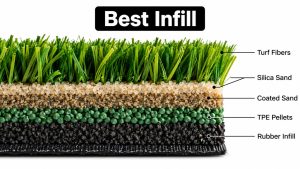
That's why the base build matters too. Cup installation depends on what's happening below the surface. Homeowners who want to understand why hardware fit starts with system prep should review how artificial turf layers affect stability, drainage, and long-term performance.
My recommendation on hardware selection
Keep it simple and coordinated.
Use a pole diameter that fits the cup cleanly. Choose flag attachment hardware that matches the fabric construction. Don't mix a refined custom flag with flimsy support pieces. And if you want the green to look polished from every angle, pay attention to finish color on the pole itself. White is classic. Black can look fantastic in modern yards. Brushed metallic finishes can work if the surrounding materials support them.
Hardware should disappear visually and perform quietly. If you notice it for the wrong reasons, the system wasn't chosen well.
The best custom putting green flags don't stand alone. They're part of a complete, compatible assembly.
Pro Tips for Flag Placement and Hole Design
Hole placement changes how the green plays. Flag placement changes how the green reads. Those are related, but they aren't the same thing. Good backyard design respects both.

Start with sightlines, not just difficulty
Most homeowners think first about challenge. I think first about visibility. If you can't easily read the hole from the patio, covered porch, or the primary approach path, the green loses visual impact.
That's especially important for households with older golfers. Data from the USGA indicates that a large portion of active golfers are aged 55 or older, and a key design move is improving chromatic contrast, such as using high-luminance flags like yellow against green turf, to support visibility for users with age-related declines in color discrimination, as noted by the USGA course care resource on practice green considerations.
That's a detail most vendors ignore, and it shouldn't be ignored. If a homeowner or guest has maturing eyesight, flag color isn't a style decision alone. It's a usability decision.
Placement rules I use on residential greens
You want the green to stay interesting, but you also want it to wear well and feel natural in the yard.
Here are the rules that hold up:
- Vary the look from the main viewing area. Different hole locations should create distinct visual targets.
- Respect edges and contours. A hole too close to an edge feels gimmicky and can create maintenance headaches.
- Use color strategically. Yellow, orange, and strong checkered contrast often outperform muted tones against turf.
- Think about family use. Guests and kids should be able to identify the target quickly without squinting.
Balance playability with appearance
A backyard green isn't a tournament venue. It's a private recreational feature that also needs to look beautiful every day. That changes the design priorities.
A smart layout gives you a little variety in break and distance, but it also makes the hole locations visible from where people gather. If the green sits beside a lounge area, the flag should help animate the space. If it's viewed from inside the home, the hole placement should create a pleasing composition even when nobody's putting.
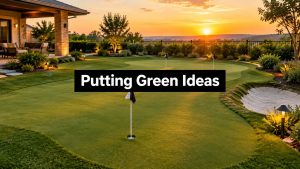
For homeowners planning layouts from scratch, a guide on how to design a putting green can help frame the relationship between contour, cup location, and backyard flow.
Choose flag colors the way you choose outdoor lighting or pavers. They affect how the whole space functions.
Custom putting green flags do more than mark a cup. In the right location and color, they improve play, strengthen sightlines, and make the green more enjoyable for everyone who uses it.
Bring Your Complete Putting Green Vision to Life
By the time you're selecting the flag, the project is already telling you what it wants. A sleek modern green wants discipline. A resort-style yard wants warmth and polish. A family practice green wants clear visibility and durable hardware. The flag should answer that context, not ignore it.
What a finished green needs to feel complete
A good outcome comes from combining three decisions:
| Decision | What matters most | Wrong choice looks like |
|---|---|---|
| Material | Sun resistance, wind behavior, print durability | Fading, fraying, curling |
| Design | Readability, personal style, landscape fit | Busy graphics, weak contrast |
| Hardware fit | Pole, cup, and attachment compatibility | Leaning poles, awkward flag movement |
That's why I don't recommend treating custom putting green flags as a throw-in purchase. They deserve the same level of attention you gave the turf, edging, and contours.
Confidence matters, but so does honesty
People trust professionals who speak clearly and know what they're doing. They also trust professionals who don't oversell. That balance matters. Confidence is a contagious attribute that directly influences a client's decision to trust a new business, but it has to be paired with realistic expectations to stay credible, as explained by Appointment.com in its guidance on building trust with new clients.
That's the right standard for a backyard golf project too. You want someone who can say, with conviction, which material will last better, which flag style will look right on your property, and which hardware setup will save you future frustration. You also want someone who won't pretend every option is perfect for every yard.
If you're close to the finish line and want the whole project tied together properly, it helps to review what a full backyard putting green installation should include from the ground up.
A polished green doesn't happen by accident. It happens when the final details get the same care as the big ones.
If you want a backyard putting green that looks finished, plays cleanly, and feels custom to your home, talk with Modern Yard Landscapes. We'll give you clear recommendations, honest guidance, and a professional plan for the final details that make the whole project worth it. Call and schedule an appointment to start shaping a green that looks right from day one and still looks right long after installation.