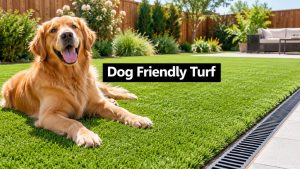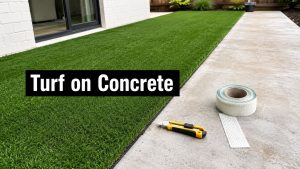

An Austin backyard can look perfect at sunset and still create problems by the next morning. A dog uses the turf, summer heat settles over the surface, and a quick rinse leaves behind moisture and organic debris. Soon, the lawn looks clean but smells less than fresh. Families with children, pets, or frequent guests often start asking whether antimicrobial turf infill can solve the problem.
It can help, but it isn't a magic sanitizer. Think of it as one component in a complete system that also needs a well-built drainage base, suitable turf fibers, correct infill depth, and consistent cleaning. The right choice depends on how your yard is used, how much direct sun it receives, and whether pets regularly use the surface.
Why Your Turf Infill Choice Matters More Than You Think
A homeowner in Austin may choose artificial grass to eliminate mowing, muddy footprints, and brown patches. The installation looks tidy, the blades stand upright, and the yard stays green through dry weather. Then a dog run begins receiving daily use, or children spend time playing close to the ground, and the homeowner notices that the infill affects the experience more than expected.
Infill sits between the synthetic blades. It adds weight, helps support the fibers, influences how the surface feels underfoot, and interacts with water and organic material. A basic material may perform well in a lightly used front yard, while a pet area needs a setup that handles repeated urine, waste, rinsing, and odor concerns.

The hidden job inside the lawn
A turf system has several working parts:
- The backing lets water move through the surface.
- The sub-base provides a stable, properly graded foundation.
- The fibers create the visible grass and determine much of the surface feel.
- The infill supports the blades and shapes how the lawn responds to use, moisture, and debris.
If the base holds water, antimicrobial material can't compensate for the underlying issue. If organic buildup stays trapped near the surface, even a treated infill needs help from rinsing and removal.
Penn State researchers tested 20 infilled synthetic turf fields in Pennsylvania and reported no trace of Staphylococcus aureus in any sampled field. They concluded that these outdoor systems are generally not hospitable to microbial activity because they stay dry, face changing outdoor temperatures, and, when crumb rubber is present, may contain zinc and sulfur that inhibit microbial growth. The same research note found that natural turfgrass had much larger microbial populations than the infill systems, with some infill samples showing no living microbes at the time of testing. Read the Penn State study on microbial activity in synthetic turf fields.
That finding builds an important boundary around the conversation. Antimicrobial turf infill is often an added protection layer, not a required ingredient for every outdoor lawn. A thoughtful installer should first assess drainage, use patterns, pet routines, shade, heat, and maintenance expectations.
For an Austin property, the best decision isn't choosing the product with the strongest label. It's matching the entire turf assembly to the way your household uses the yard, then explaining what the infill can and can't do before installation begins.
What Antimicrobial Turf Infill Is and How It Works
Standard infill already has practical jobs. It weighs the turf down, helps blades stand upright, and fills the spaces between fibers. Antimicrobial turf infill adds a treated surface intended to inhibit the growth of bacteria, mold, and mildew that can contribute to odor and staining.
A simple analogy is a kitchen sponge with a protective coating. The coating doesn't clean the counter by itself, and it doesn't stop the sponge from becoming dirty. It can make the surface less favorable to certain organisms, while washing and proper storage still determine whether the sponge stays usable. Treated turf infill works in a similar way.
From granule to protective surface
Many antimicrobial products use a coated silica-sand matrix. During manufacturing, an antimicrobial agent is embedded in or applied to the coating so the active chemistry remains associated with the infill surface during use. One commercial example describes a Microban-infused coating, while another describes a sodium-pyrithione-based system that claims up to 99.99% inhibition on treated surfaces. Those are product claims about treated surfaces, not proof that an entire installed lawn eliminates infection risk. See the manufacturer information on antimicrobial turf infill coatings.
The mechanism is easier to understand in three steps:
- Infill granules provide structure. They help hold the synthetic blades in position and add mass to the surface.
- The coating places antimicrobial chemistry at the contact surface. Bacteria, mold, and mildew encounter the treated material rather than an untreated granule.
- The treatment inhibits growth. It doesn't replace water movement, debris removal, or cleaning after pet use.
Why chemistry isn't the whole system
An antimicrobial additive works best when the surrounding design prevents moisture from lingering. Fast-draining backing, a properly graded sub-base, and open pathways beneath the turf help move liquid away. Standing water and accumulated organic material can overwhelm the advantages of a treated surface.
This differs from germicidal ultraviolet light, which uses UV energy to damage microorganisms under suitable exposure conditions. Readers who want a plain-language explanation can review how germicidal UV light works. Turf infill doesn't disinfect by shining light across the lawn. It provides a treated material within the turf assembly.
For a closer look at how this option fits pet areas and artificial grass systems, see Modern Yard Landscapes' antimicrobial artificial grass service. A consultation should clarify the coating type, the intended use, the maintenance requirements, and the limits of the product claim.
How Antimicrobial Infill Compares to Conventional Options
Different infill materials can produce very different microbial results. A 2020 synthetic-turf MRSA study measured how long MRSA remained available across several infill types. The reported windows were about 2 hours for EPDM rubber, 7 hours for cork-based infill, 9 hours for polymer-coated materials, 12 hours for crumb rubber, 13 hours for TPE rubber, and 27 hours for sand. Review the peer-reviewed MRSA survival study.
The study also found that MRSA remained available on slit-film and nylon fibers for 12 hours, and on monofilament fibers for 24 hours. More than 90% of MRSA cells remained viable after 6 hours of exposure to cork infill and sand. A related peer-reviewed report found 93% viability in sand, 90% in organic infill, and 17% in EPDM after 6 hours. Read the full study on synthetic-turf microbiota.
A practical comparison
| Infill Type | MRSA Availability Window | Best For |
|---|---|---|
| EPDM rubber | About 2 hours | Cushioning-focused areas where rubber characteristics fit the design |
| Cork-based infill | About 7 hours | Projects considering an organic-feel alternative, with material-specific review |
| Polymer-coated material | About 9 hours | Installations evaluating coated synthetic options |
| Crumb rubber | About 12 hours | Some sports applications where rubber cushioning is part of the specification |
| TPE rubber | About 13 hours | Sports and recreational systems requiring a resilient rubber option |
| Sand | About 27 hours | Conventional installations where low initial complexity and familiar handling matter |
These windows don't create a universal ranking for every yard. They describe MRSA availability under study conditions, not odor, comfort, heat, drainage, or long-term health outcomes. Infill chemistry and fiber type work together, so an installer who discusses only the word “antimicrobial” is leaving out important information.
Match the material to the use
A pet run places more emphasis on liquid movement, odor management, and cleanability. A play area raises questions about feel, heat, surface contact, and the cleaning routine. A commercial property may prioritize consistent appearance, repeated foot traffic, and predictable maintenance.
Standard sand may be reasonable for a lightly used decorative lawn, but it shouldn't be selected by habit when pets create a different contamination load. Learn how the material fits a broader system in this guide to sand infill for artificial grass. The right comparison considers the fiber, backing, base, infill, shade, and maintenance plan together.
Benefits and Limitations You Should Weigh Honestly
Antimicrobial turf infill can support a cleaner-feeling lawn, particularly where pets, children, or frequent use create repeated contamination. It may inhibit bacteria, mold, and mildew on the treated infill surface, helping reduce conditions associated with odor and staining between cleanings.
That benefit has to be stated carefully. The strongest evidence addresses how long organisms remain available on synthetic turf materials, not whether antimicrobial infill produces fewer human infections in real-world yards. The 2020 research discussed earlier found availability ranging from about 2 hours on EPDM rubber to 27 hours on sand, with less than 15% availability after 48 hours across all tested infills. Review the evidence summarized in the synthetic-turf research note.

Where the upgrade can help
- Odor management: A treated surface can add support against organisms associated with pet odors, but urine still needs to drain away and the turf still needs rinsing.
- Between-cleaning protection: The treatment may provide an additional barrier while the lawn waits for routine care.
- Mold and mildew resistance: Keeping the surface dry gives the antimicrobial feature a better operating environment.
- Heavy-use planning: Pet runs, play spaces, and commercial areas may justify a layered specification because they receive more repeated contact and organic material.
Practical rule: Choose antimicrobial infill to support a well-drained, cleanable turf system, not to excuse poor drainage or skipped maintenance.
Where expectations need restraint
Outdoor infilled systems can already be hostile to microbial activity because they dry, heat, and experience changing temperatures. The Penn State field research found no trace of Staphylococcus aureus in its sampled fields and reported low microbial populations overall. See the additional Penn State report on infilled synthetic turf.
Chemical-exposure questions also deserve attention. Comparative assessments report that no infill is completely free of chemicals of concern, and some alternatives may contain fewer or lower concentrations than tire crumb without being entirely benign. Buyers should ask for the exact chemistry, testing documentation, intended use, and disposal information instead of assuming that “antimicrobial” means safer in every respect.
Heat is another separate issue. An antimicrobial coating doesn't automatically make turf cooler, softer, or more comfortable in direct Austin sun. If heat matters, discuss shade, fiber selection, surface design, and cooling features independently from microbial control.
The upgrade makes the most sense when a property has persistent pet use, frequent surface contact, or a strong preference for an added sanitation layer. It may be unnecessary when the yard is lightly used, drains rapidly, and receives consistent cleaning.
Installation and Maintenance That Protects Your Investment in Austin
Austin weather makes water management a design priority. A hot, dry stretch can bake the surface, while a sudden storm can expose weak grading or compacted areas. Antimicrobial turf infill performs more reliably when the installation moves liquid through the system instead of leaving moisture and organic matter near the blades.
Build the drainage path first
A qualified installation should evaluate the soil, slope, access, and intended use before placing turf. The sub-base needs proper grading, the backing should support water movement, and the perimeter should hold the system securely. Commercial-grade edging can help maintain a clean boundary in areas that receive foot traffic, pets, or repeated maintenance.
Correct infill depth matters as well. Too little material may reduce blade support and leave the surface less stable. Too much or poorly distributed material can affect feel and water movement. The installer should specify the material and application rather than treating infill as an afterthought.
Keep the surface clean enough to work
A practical routine includes:
- Remove organic debris: Pick up waste, leaves, and plant material before they break down into the infill.
- Rinse pet zones: Flush urine areas so liquid and residue can move through the drainage path.
- Brush high-use areas: Restore blade position and distribute displaced infill.
- Inspect after storms: Look for pooling, displaced material, blocked drains, or edge movement.
- Address stains early: Spot treatment is easier before residue dries and accumulates.
Pet owners should also watch the places dogs repeatedly choose. A narrow run beside a fence may receive more use than the rest of the yard, so it may need more frequent rinsing and brushing. Seasonal checks can identify drainage issues before odor becomes the first sign of trouble.
For product-safe cleaning methods, use this guide to clean artificial turf. Avoid harsh practices that could damage fibers, disturb the infill, or interfere with the manufacturer's care requirements. Keeping records of cleaning and inspections can also help protect warranty coverage.
Costs Certifications and Safety Checks Before You Buy
The price of antimicrobial turf infill depends on more than the material itself. A transparent estimate should account for turf quantity, material quality, labor complexity, site access, excavation, drainage work, edging, and specialty features such as antimicrobial or cooling technologies. A small yard with difficult access may require a different installation approach from a larger, open property.
Use this artificial turf cost guide to understand the broader factors that shape an estimate. Ask the installer to separate site preparation, turf, infill, drainage, edging, labor, and optional treatments so you can see what you're paying for.
Questions that reveal real value
Before signing, ask:
- What active chemistry is used? Request the product name, technical sheet, and safety documentation.
- What does the claim measure? Clarify whether the evidence concerns treated surfaces, laboratory organisms, odor, mold, or real-world infection outcomes.
- How is the treatment applied? Ask whether the agent is embedded during manufacturing or added as a surface treatment.
- What testing supports the claim? Request independent laboratory results when available, along with the organism, exposure conditions, and test material.
- What happens after cleaning? Confirm the approved rinsing products and whether maintenance affects the treatment or warranty.
- What chemicals of concern are present? Ask for material disclosures rather than relying on the word “safe.”
- Does the quote include drainage work? Antimicrobial material can't correct a poorly graded base or blocked pathway.
A certification or laboratory report can be useful, but it needs context. A test showing inhibition on a treated surface doesn't prove that a complete outdoor lawn prevents infections. The evidence base still leaves open the question of whether chemistry, maintenance, or surface design matters most for health outcomes.
For a family or pet owner, that uncertainty doesn't mean the product has no value. It means the decision should be proportional to the use case. Pay for documented performance and sound installation, not for an undefined promise.
Real World Use Cases and Your Next Step Toward a Hassle Free Lawn
A dog run needs fast liquid movement, accessible cleaning, durable edging, and an infill choice that supports odor management. A family play area may place greater weight on surface feel, debris removal, shade planning, and a clearly documented material profile. A commercial property may need consistent appearance, stable blades, and a maintenance plan that staff can follow without guesswork.
Antimicrobial turf infill can fit each application, but the specification should change with the property. Austin's heat, intense sun, stormwater movement, pets, and foot traffic all influence the right combination of turf, base, backing, infill, and care. The cleanest result comes from treating those elements as one system rather than adding a product at the end.
Modern Yard Landscapes provides residential and commercial artificial turf installation, pet-friendly dog runs, turf maintenance, drainage work, and custom outdoor surfaces across the Austin area. Its approach can include site preparation, drainage evaluation, edging, turf selection, and specialty infill options, with estimates based on the actual property and intended use.
A consultation gives you a chance to describe the problem, whether it's odor near a dog door, standing water after storms, uncomfortable summer heat, or a lawn that needs frequent scrubbing. Ask for a clear recommendation, the limits of the antimicrobial claim, and a maintenance plan you can realistically follow.
Modern Yard can evaluate your Austin property and recommend a turf, drainage, and antimicrobial infill system suited to pets, children, commercial traffic, or everyday residential use. Visit Modern Yard Landscapes to request an appointment and schedule a personalized estimate.