
Create a Safe, Durable Yard Your Dog Will Love
You're probably dealing with the same cycle most Austin dog owners hit sooner or later. A little rain turns the yard into mud. A stretch of heat burns up weak grass. Dogs run the same path until it's bare dirt, then urine damage finishes the job. What's left is a yard that looks tired, smells worse than it should, and never quite dries out.
The fix isn't just “pick something tough.” The best ground cover with dogs depends on how your dogs move, where water sits, how much direct sun the yard gets, and whether you want a natural look or a clean, low-maintenance surface. In Austin, those choices matter more because heat, drought, clay-heavy soils, and sudden storms punish bad installations fast.
We've ranked seven strong options that work for pet-heavy yards, from natural blends to hard-wearing engineered surfaces. You'll get trade-offs, plain advice, and Austin-specific guidance so you can stop guessing and choose something that lasts. If you're still shaping the layout, start with this tool to design your backyard online free before you commit to materials.
1. Premium Pet-Friendly Artificial Turf
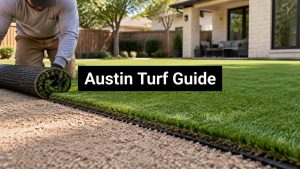
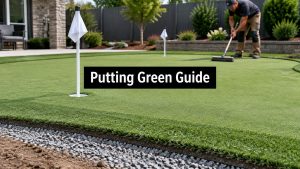
Your dog blasts out the back door after a summer storm, cuts the same corner three times, and tracks half the yard back into the house. Premium pet turf stops that cycle fast. For Austin homes with hard-running dogs, clay soil, shade pockets, or chronic mud, it is one of the few surfaces that stays usable every day.

The cheap version is a mistake. Buy pet-specific turf with a shorter pile, a fully permeable backing, and a face weight built for repeated traffic. The American Kennel Club recommends artificial grass products designed for drainage and easy waste cleanup rather than standard decorative turf, which is the right starting point for dog yards, not putting greens or showroom installs, as explained in the AKC guide to dog-friendly backyard landscaping.
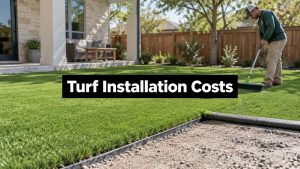
In Austin, the install matters as much as the turf. Heat exposes bad seams. Sudden downpours expose weak drainage. Heavy dogs expose soft edges and thin infill. A proper pet system needs a stable aggregate base, tight seam work, and a plan for where urine goes after it passes through the backing. If your installer talks mostly about color and blade shape, keep shopping.
Here is where premium turf earns its price:
- Side-yard dog runs: High traffic, repeated pacing, and limited sunlight wreck natural cover fast.
- Small urban backyards: You get a clean surface without muddy recovery periods.
- Multi-dog homes: Turf handles concentrated wear better than most living options.
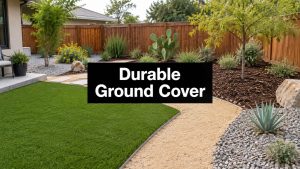
- Hybrid yard designs: It pairs well with pavers, mulch paths, and planted borders when you do not want one material covering everything.
Practical rule: Ask the installer to explain the full drainage path from the turf surface down through the base and out of the yard. If they cannot explain it clearly, do not hire them.
Pet turf is not cool under full August sun, and it does not give you the natural ecology of clover or wildflower cover. That is the trade-off. Still, for Austin dog owners who want the cleanest, most controlled surface, premium turf is one of the strongest choices in this list.
If you want a real-world benchmark before you start calling contractors, review Pool & Landscaping of Vistancia pet turf and compare its pet-focused features against what local installers offer.
2. Clover and Native Wildflower Blend
If you want a living yard that feels softer and looks more natural, clover with native wildflowers is the best-looking low-intensity option. It's not the answer for a dog that sprints the same route all day, but it works very well in lower-traffic areas and larger Austin yards where you want coverage without a thirsty lawn.
This option fits homeowners who want pollinator value, a looser cottage-garden feel, and less mowing pressure than traditional grass. It also pairs well with designated dog paths and play zones, instead of asking one surface to do everything.
Where this blend shines
White clover handles urine better than many standard lawn grasses, and it helps soften the visual damage that usually shows up in pet yards. For homeowners who still want a grass-like look in active zones, one strong natural system is Rhizomatous Tall Fescue seeded at 6 to 8 lbs per 1,000 sq ft, then overseeded with white clover at 10 to 20% coverage so the clover handles urine while the fescue recovers from traffic, as outlined by Competitive Lawn's dog-lawn seeding guide.

For Austin properties, the smarter move is usually to use this blend in the calmer parts of the yard. Think outer borders, side slopes, and zones where the dog sniffs, lounges, or wanders instead of launching into full-speed turns.
Natural blends look best when you stop expecting them to behave like a dog park surface.
Use it well:
- Seed at the right time: Early spring gives the blend the best chance to establish before peak summer stress.
- Protect the seed bed: Erosion control covering helps on sloped yards and after hard rain.
- Create traffic separation: Keep high-speed play on another surface.
- Use drip irrigation during establishment: It cuts labor and keeps germination more consistent.
This is one of the best ground cover with dogs choices when appearance matters as much as durability, and when you're willing to design the yard in zones instead of forcing one material to handle every job.
3. Soft Mulch and Bark Chip Pathways with Turf Islands
This is the practical hybrid many owners overlook. Dogs don't use every square foot of the yard the same way. They create routes, hangout spots, patrol lines, and launch points. Build for that pattern, and your yard lasts longer.
Soft mulch pathways with artificial turf islands do exactly that. The mulch absorbs wear on the routes your dogs repeat every day, while turf islands hold up in the areas where they stop, wrestle, or wait by the back door. It's cost-conscious, paw-friendly, and easier to refresh than an all-in premium installation.
Best use case
This setup works well for multi-dog households and long narrow yards. It also helps on properties where you want to limit premium materials to the zones that take the most abuse.
The key is choosing the right mulch. Stick to pet-safe bark or engineered wood products. Avoid cocoa mulch and walnut shells because they aren't dog-safe. Then use clean edging so the mulch stays where it belongs and doesn't wash into turf seams or hardscape joints.
A good layout usually includes:
- Defined walking paths: Dogs will follow them if the routes are comfortable and obvious.
- Turf at decision points: Back doors, gate areas, corners, and favorite play spots benefit most.
- Fabric beneath the mulch: It helps with weed control and slows soil mixing.
- Steel edging: It keeps the whole design from blurring together after storms.
This approach also lets you build in stages. Start with the dog traffic lanes and the hardest-hit zones, then upgrade surrounding areas later if you want more polish.
Field note: If your dog's path is already visible as bare dirt, don't fight it. Formalize it with a pathway and reinforce the hangout zones around it.
For Austin homeowners who want a practical answer without covering the whole yard in one premium material, this hybrid often hits the sweet spot.
4. Permeable Paver Play Zones with Ground Cover Joints
Some dogs don't need a lawn. They need a surface that can be washed down, drains well, and won't turn into a mud pit after every storm. Permeable pavers fit that job.
They're especially useful for side yards, relief areas, kennel runs, and compact spaces where appearance still matters. You get structure, clean edges, and easy maintenance, while the ground-cover joints soften the look so it doesn't feel like a parking area.

Where owners get this wrong
They pick rough pavers, skip the grade, or fill the joints with plants that can't survive dog use. Dogs notice surface texture fast. Smooth pavers are easier on paws, easier to clean, and more comfortable for repeated use.
Ground-cover joints should be treated as accent planting, not as the main traffic surface. Use non-toxic, low-growing plants where traffic is light, and expect them to thin out in active zones. The pavers are doing the heavy lifting.
A few installation priorities:
- Use a slight grade: Water needs a clear exit path.
- Keep textures smooth: Sharp or heavily textured pavers are hard on paws.
- Stabilize the perimeter: Edge restraint keeps pavers from drifting.
- Reserve planted joints for lower-impact areas: Don't expect delicate greenery to survive hard play.
If you're considering a paver-based dog zone, these installation tips for VIC pavers are a useful visual reference for layout and edge control, even though your final design should be adapted for Austin soil and drainage conditions.
This is one of the best ground cover with dogs options when sanitation and drainage matter more than softness.
5. Recycled Rubber Mulch Performance Surface
Rubber mulch isn't the prettiest choice for every yard, but it solves problems fast. It cushions paws, doesn't decompose like wood mulch, and handles all-weather use better than many natural loose-fill materials.
If you manage a dog boarding area, a hard-running side yard, or a utility zone where function beats looks, rubber mulch deserves a hard look. It's especially useful when dogs pivot, jump, and slam the same landing zones repeatedly.
When to use it
Use rubber mulch where impact matters. Around agility-style play areas, at the base of slopes where dogs charge up and down, or in side yards that get hammered year-round, it holds up with less ongoing replacement than bark.
The weak point is containment. Loose material moves unless the base, edging, and grade are done right. That's why a proper drainage layer and strong edge restraint matter more here than people think.
Keep the install disciplined:
- Prepare the base: Drainage stone under the mulch helps keep the area usable after rain.
- Contain the surface: Strong steel edging keeps material in place.
- Use enough depth for comfort: Thin installs feel cheap and underperform.
- Pair it with turf selectively: Turf for cleaner lounging spots, rubber mulch for impact areas.
Rubber mulch also works well as part of a larger yard strategy. It doesn't need to carry the whole design. In many Austin yards, the best result is a blended layout where this surface handles the punishment and another material handles the visual finish.
6. Drought-Tolerant Zoysia Sod Installation
Your dog sprints out the back door, hits the same turn by the patio, and tears up a strip of lawn by August. If you still want real grass in Austin, Zoysia is one of the few sod choices I'd seriously consider.
It gives you a natural surface, a cleaner residential look than utility materials, and better drought tolerance than many traditional lawn expectations. It also handles moderate dog traffic better than weaker warm-season lawns once it's established. That said, Zoysia is not for yards with nonstop concentrated wear. A large dog that runs the same path every day will still thin it out.
Where Zoysia makes sense in Austin
Use Zoysia if you want a true lawn and your dogs have enough space to spread out their traffic. It fits front yards, mixed-use backyards, and entertaining areas where artificial turf looks too artificial and loose-fill options look too utilitarian.
It also suits Austin's heat better than cool-season grass fantasies that burn water and disappoint by midsummer.
If you want a living ground cover with lower inputs than standard turf, Kurapia deserves a look. The University of California Agriculture and Natural Resources lists Kurapia as a low-water ground cover option for California outdoor spaces, with use notes on establishment, mowing, and irrigation in its Kurapia ground cover profile. That matters for Austin owners comparing real lawn alternatives that stay lower, spread densely, and use less water once established.
The choice is straightforward. Pick Zoysia if you want the familiar lawn feel and are willing to manage it like a lawn. Pick a low-growing ground cover like Kurapia if water use, fertilizer reduction, and a less conventional look matter more.
Install it the right way
Zoysia rewards good prep and punishes lazy installation. In Austin clay soils, that starts below the grass.
- Choose a Texas-proven variety: Buy sod from a local supplier that sells cultivars used successfully in Central Texas.
- Fix drainage before laying sod: Compacted clay and pet traffic create weak turf fast.
- Install during an active growing window: Give roots a chance to knit in before peak stress hits.
- Build in dog relief areas: Use a path, mulch run, or paver zone so one section of sod doesn't absorb all the abuse.
- Water to establish, then tighten the schedule: Deep, less frequent watering builds a tougher lawn than constant shallow watering.
- Expect maintenance: Mowing, spot repair, and urine-dilution habits are part of the deal with any real pet lawn.
For Austin dog owners, Zoysia is the best natural grass option only when expectations are realistic. It's a strong choice for a balanced yard. It's a poor choice for a high-speed dog track.
7. Hybrid Pet Run Design with Artificial Turf and Premium Drainage System
If you want the most dependable answer for a serious dog yard, this is it. Not turf alone. Not drainage alone. The combination.
A hybrid pet run design uses premium pet turf on top, then resolves the core failure point underneath with drainage tile, careful base prep, and proper edge control. That's what keeps the run usable after rain, limits odor issues, and prevents the soft spots that ruin cheaper installs.
The strongest recommendation for heavy-use dog yards
For Austin homes with multiple dogs, shaded side yards, or low spots that stay wet, this is the surface system I'd recommend first. It's built for abuse and built for cleanup.
There's another reason to take this route seriously in Central Texas. Most dog-landscaping guides focus on durability and urine resistance, but miss thermal safety. Install-It Direct notes that artificial turf can reach 120°F+ in hot conditions, while natural alternatives like pea gravel or clover stay significantly cooler, and says that warning is missing in 90% of dog-friendly landscaping articles in its review of the topic at Install-It Direct's dog-friendly ground cover guide. In Austin, that isn't a side note. It's a design requirement.
That means a responsible turf run needs more than good drainage. It needs smart placement, shade strategy, and realistic discussion about afternoon heat.
Ask your installer where the hottest part of the yard is at 4 p.m. If they can't answer that clearly, they're not designing for dogs in Austin.
What to ask for during a consultation:
- A drainage-first site evaluation: Water movement determines long-term success.
- References from pet-yard installs: You want proof they've solved real dog-use problems.
- Infill options explained clearly: Especially if odor control is a concern.
- Heat mitigation planning: Shade, orientation, and material choices all matter.
This is the best ground cover with dogs when failure isn't an option and you want a yard that stays clean, durable, and easy to live with.
Top 7 Dog-Friendly Ground Cover Comparison
| Option | Implementation Complexity 🔄 | Resource & Maintenance ⚡ | Expected Outcomes ⭐📊 | Ideal Use Cases 💡 | Key Advantages ⭐ |
|---|---|---|---|---|---|
| Premium Pet-Friendly Artificial Turf | High, professional install, drainage & base prep required 🔄 | High upfront cost; low routine upkeep (quarterly brushing; infill top‑up every 3–5 yrs) ⚡ | Consistent, mud‑free surface; long life (15–20+ yrs); reduces parasites/chemicals 📊⭐ | Multi‑dog homes, high‑traffic yards, drought-prone areas | No mowing/watering; pet‑safe infill; excellent drainage; long lifespan ⭐ |
| Clover and Native Wildflower Blend | Medium, soil prep and seeding; slower establishment (6–8 wks) 🔄 | Low long‑term inputs; intensive watering during establishment; occasional mowing/reseeding ⚡ | Eco‑friendly blooms, pollinator habitat; seasonal appearance changes; improves soil 📊⭐ | Low‑traffic yards, pollinator gardens, water‑conscious owners | Low cost, natural aesthetic, soil health benefits, biodiversity ⭐ |
| Soft Mulch & Bark Chip Pathways with Turf Islands | Low, simple install; flexible phased deployment; edging recommended 🔄 | Moderate ongoing (annual mulch top‑up, monthly raking); lower upfront cost ⚡ | Good drainage, soft lounging areas; cost savings vs full turf; natural look 📊⭐ | Budget projects, mixed‑use yards, phased upgrades | Cost‑effective hybrid, natural feel, easy to install/customize ⭐ |
| Permeable Paver Play Zones with Ground Cover Joints | High, skilled paver installation and base preparation required 🔄 | Moderate maintenance (quarterly weed control, annual trimming/power‑wash, resealing) ⚡ | Durable, washable, 25+ yr lifespan; high curb appeal; excellent infiltration 📊⭐ | High‑traffic zones, commercial sites, aesthetic‑driven landscapes | Highly durable, low‑mud, professional appearance, great drainage ⭐ |
| Recycled Rubber Mulch Performance Surface | Medium, proper base and containment; professional install recommended 🔄 | Low ongoing maintenance; occasional grooming; long service life (10–15 yrs) ⚡ | Consistent shock absorption; resists decay/mold; cleaner than wood mulch 📊⭐ | High‑traffic dog areas, commercial facilities, pets with wood allergies | Durable, non‑decomposing, superior impact protection, minimal replacement ⭐ |
| Drought‑Tolerant Zoysia Sod Installation | Medium, sod install with initial watering and soil prep 🔄 | Moderate care (weekly watering initially, regular mowing, periodic fertilization) ⚡ | Living, self‑healing turf; drought‑tolerant once established; seasonal dormancy 📊⭐ | Traditional lawns, owners preferring natural grass, moderate‑traffic yards | Natural aesthetic, self‑repairing, good drought tolerance once rooted ⭐ |
| Hybrid Pet Run: Turf + Premium Drainage System | Very High, comprehensive professional design, drainage tile & base work 🔄 | Highest upfront investment; minimal ongoing upkeep; warranties/guarantees included ⚡ | Turnkey solution: no mud/odors, reliable year‑round performance; 15–20+ yrs 📊⭐ | Multi‑dog estates, commercial daycares, owners seeking premium turnkey solution | Solves drainage + durability issues, warranty‑backed, best long‑term performance ⭐ |
Next Steps to Your Pet-Friendly Yard
A typical Austin dog yard fails the same way. One corner turns into a urine spot, the back door becomes a mud track after every rain, and the center path dies first because that is where the dogs sprint and pivot. Fixing that starts with a site visit that looks at how your dogs use the yard, not just what looks good on install day.
Pick the surface based on behavior, drainage, and soil. In Austin, that usually means hard clay, heat, flash runoff, and long dry stretches. A dog that paces the fence line needs a different solution than one that lounges in shade all afternoon. High-energy dogs do best on turf systems, hybrid runs, rubber mulch, or paver zones. Low-traffic areas can carry clover, native wildflower blends, or zoysia if you want a more natural yard.
Pea gravel can still earn a spot in the right zone. Blooming Expert highlights it as a strong dog-yard option because it drains well, resists urine damage, and stays cooler than many hard surfaces in full summer sun, with typical installation depth and cost details covered in its comparative analysis of dog-safe ground covers. I would use it for relief areas or contained runs, not as the best whole-yard answer for every Austin home.
Good advice should be plain. You need someone to assess slope, compaction, shade, sun, runoff, cleanup habits, and budget, then tell you which trade-offs are worth paying for and which are not.
Modern Yard, an outdoor design and installation company, does that work in Austin. They are fully insured and focused on pet-friendly turf installation, dog runs, drainage solutions, and durable yard design built for real use. Their team uses quality materials, commercial-grade edging, and proper base preparation so the yard performs through heavy traffic, summer heat, and wet weather.
If you want a yard that stays clean after rain, holds up to hard-running dogs, and still looks finished year-round, contact Modern Yard Landscapes. They will evaluate your site, explain the trade-offs clearly, and give you a direct plan for a dog-friendly yard that works in Austin.