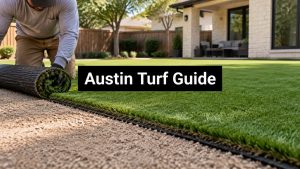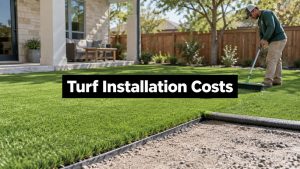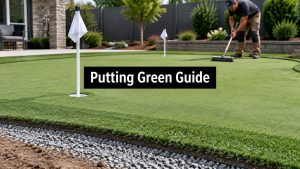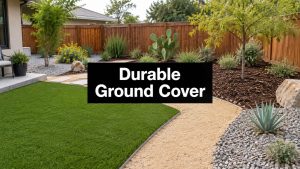

A typical Austin artificial lawn installation runs about $8 to $12 per square foot for standard turf and $12 to $18 per square foot for premium turf with drainage work. The site visit sets the final number after the crew assesses access, slope, soil, drainage and how you'll use the lawn.
If you're looking at a tired patch of grass, comparing turf samples online and trying to work out whether the project is worth the money, start with the part that won't show in a product photo: the ground beneath the turf. In Central Texas, a sharp-looking lawn can still disappoint if water has nowhere to go or the surface gets too hot for people and pets. A trustworthy estimate should explain those risks, show how the work is priced and give you a chance to check the details before signing.
What Artificial Lawn Installation Costs in Austin
Use the ranges below to set a planning budget, not to guess at your final invoice. Austin conditions can move a project up or down: a simple rectangle with good access isn't the same job as a sloped yard that needs excavation, drainage outlets or retaining-wall work.
Installed Cost Ranges by Project Size
| Project size | Standard turf, installed | Premium turf with drainage work |
|---|---|---|
| 500 sq ft front yard | $4,000–$6,000 | $6,000–$9,000 |
| 1,000 sq ft backyard | $8,000–$12,000 | $12,000–$18,000 |
| 2,000 sq ft mixed yard | $16,000–$24,000 | $24,000–$36,000 |
| 5,000 sq ft commercial area | $40,000–$60,000 | $60,000–$90,000 |
These planning bands are applied to four project sizes. Confirm the final total with a site visit and a line-item quote. To estimate your starting range, multiply your measured square footage by the applicable per-square-foot band. Then check which costs are included and which are separate: grading, retaining walls, drainage tile and special features shouldn't be assumed to come with a basic turf price.
Three terms to check on a quote
- Installed: Confirm whether this includes materials and labor, not just the turf product.
- Removal: Find out whether the crew will remove and dispose of the existing grass and organic soil.
- Warranty: Ask what it covers, how long it lasts, and what steps you must take to make a claim.
A lump-sum quote can conceal important differences in scope. Ask for quantities and descriptions of the work so you can compare proposals on more than the final number.
Before requesting an estimate, measure the yard's length and width, sketch its slopes, fence lines and tree roots, and note whether pets or heavy foot traffic will use it. That preparation helps the estimator assess the actual yard instead of pricing an idealized rectangle.
Turf, Infill and Edging Options Compared
Match the materials to the yard's hardest use and its sun exposure. Don't choose by turf color alone: infill, fiber and edging all affect how the finished lawn feels, handles traffic and stays in place.
Turf, Infill and Edging Options at a Glance
| Option | Category | Best fit | Trade-off |
|---|---|---|---|
| Silica sand infill | Infill | Light-use lawns | Lowest cost; less odor control in pet areas |
| Antimicrobial-coated sand | Infill | Dog runs and pet areas | Higher cost; still needs regular rinsing |
| Crumb rubber | Infill | Sports and high-traffic play areas | Runs hot in full sun; microplastic concerns |
| TPE (thermoplastic elastomer) | Infill | Family and pet yards in full sun | Rubber-free and cooler; higher price |
| Cork or coconut | Infill | Shaded, low-traffic, eco-minded lawns | Natural feel; breaks down and needs refreshing |
| UV-resistant high-denier fiber | Turf fiber | Full-sun, heavy-use yards | Higher price; holds color and pile longer |
| Commercial steel edging | Edging | Curves, perimeters, high-traffic areas | Higher upfront cost; strongest hold |
| Paver or concrete edging | Edging | Patios, walkways, borders | Clean finish; more labor |
Make the trade-offs visible
Infill comes first. Silica sand is a straightforward choice for a lightly used lawn. For a dog area, antimicrobial-coated sand may help with odor control, but it doesn't remove the need to rinse. Crumb rubber suits some high-traffic uses, yet it can run hot in full sun and raises microplastic concerns. TPE costs more, but it's rubber-free and can run cooler. Cork and coconut offer a more natural feel, with the drawback that they break down and need refreshing.
For the turf itself, UV-resistant, high-denier fibers are worth considering in full sun or under heavy foot traffic because they're designed to resist fading and crushing. A lighter yarn can suit a quiet backyard. At the perimeter, commercial-grade steel holds curves and busy edges firmly, while pavers or concrete create a clean transition beside paths and patios.
Cooling fibers and infills are upgrades, not replacements for shade. If an area gets strong afternoon sun, plan the shade and use pattern first, then compare the material options. You can review artificial turf types and material choices before making a shortlist.
Ask Modern Yard Landscapes to show infill and fiber samples on site. Seeing them in the actual sun exposure makes the differences easier to judge than choosing from a brochure.
How the Build Goes, Layer by Layer
Think of a driveway. The surface takes the visible wear, but the compacted layers beneath it carry the load and help water move where it should. Artificial lawn installation works on the same principle: turf is the finish on top of a layered, pavement-like system, not a carpet that can be rolled out over soil with no preparation.
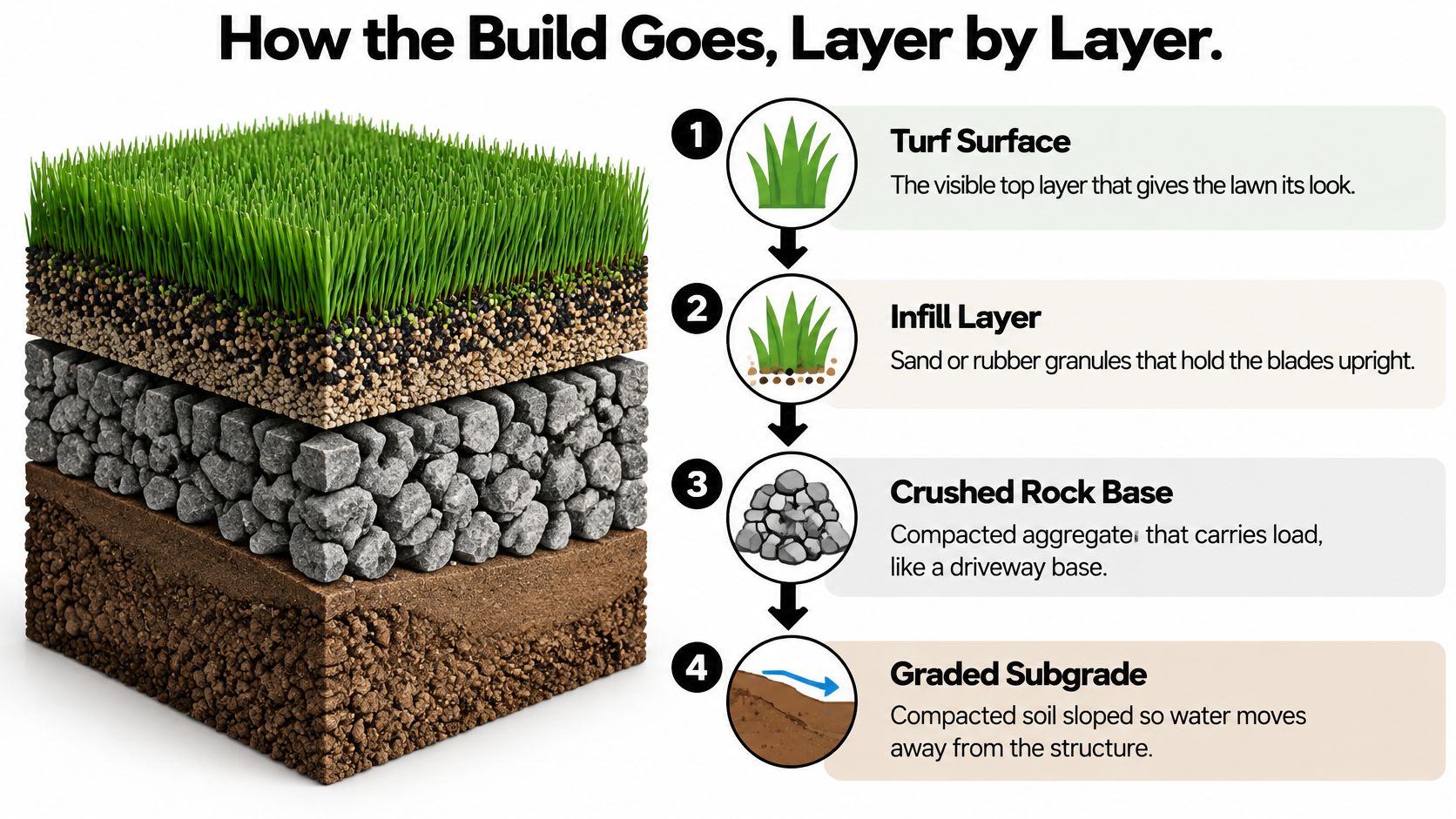
For a typical 1,000-square-foot residential yard, the work usually moves through these steps. The schedule depends on the site and weather, and your crew should explain any changes as they happen.
Survey and design. Allow 1 to 2 weeks of lead time for planning, including a utility locate through Texas811 before digging. The design should account for access, finished elevations, traffic and where water will discharge.
Remove the old surface. The crew removes existing grass and organic soil to the designed depth, usually taking 1 to 2 days. Organic material can settle under a new lawn, so leaving it in place risks an uneven foundation.
Grade and compact the base. Suitable aggregate is placed and compacted in controlled, thin lifts, while the crew preserves the planned fall toward outlets. This usually takes 2 to 3 days. Compacting in lifts helps create a stable base rather than a loose layer that can shift under use.
Add drainage and edging. Drainage tile, outlets and edging go in, usually over 1 to 2 days. The crew should take extra care at low points, retaining-wall edges and transitions to concrete, where runoff can collect or undermine the perimeter.
Lay fabric and turf. Where the design calls for base fabric, the crew installs it before unrolling the turf. They then cut around beds and trees and join sections with seam tape and adhesive. Clean cuts and tight seams matter: a poor join can remain visible or open under use.
Apply infill and brush the pile. Infill is spread in passes and the pile is brushed upright. This stage usually takes 1 day. The selected infill and how it's distributed affect how the turf fibers sit and how the finished surface feels.
Walk the job together. Before the crew leaves, inspect the lawn, run a hose test to see how water moves and review the care routine. Ask them to point out the outlets and explain what to watch for after a heavy rain.
Total on-site time for this yard size is typically 5 to 8 working days, weather permitting. The most common delay is rain during base compaction. A crew should pause when the base can't be properly compacted, then resume once conditions allow, rather than rush the work and leave you with a weak foundation. For a closer look at the layers beneath the surface, review how artificial turf layers work.
Drainage and Slope Planning for Austin Lots
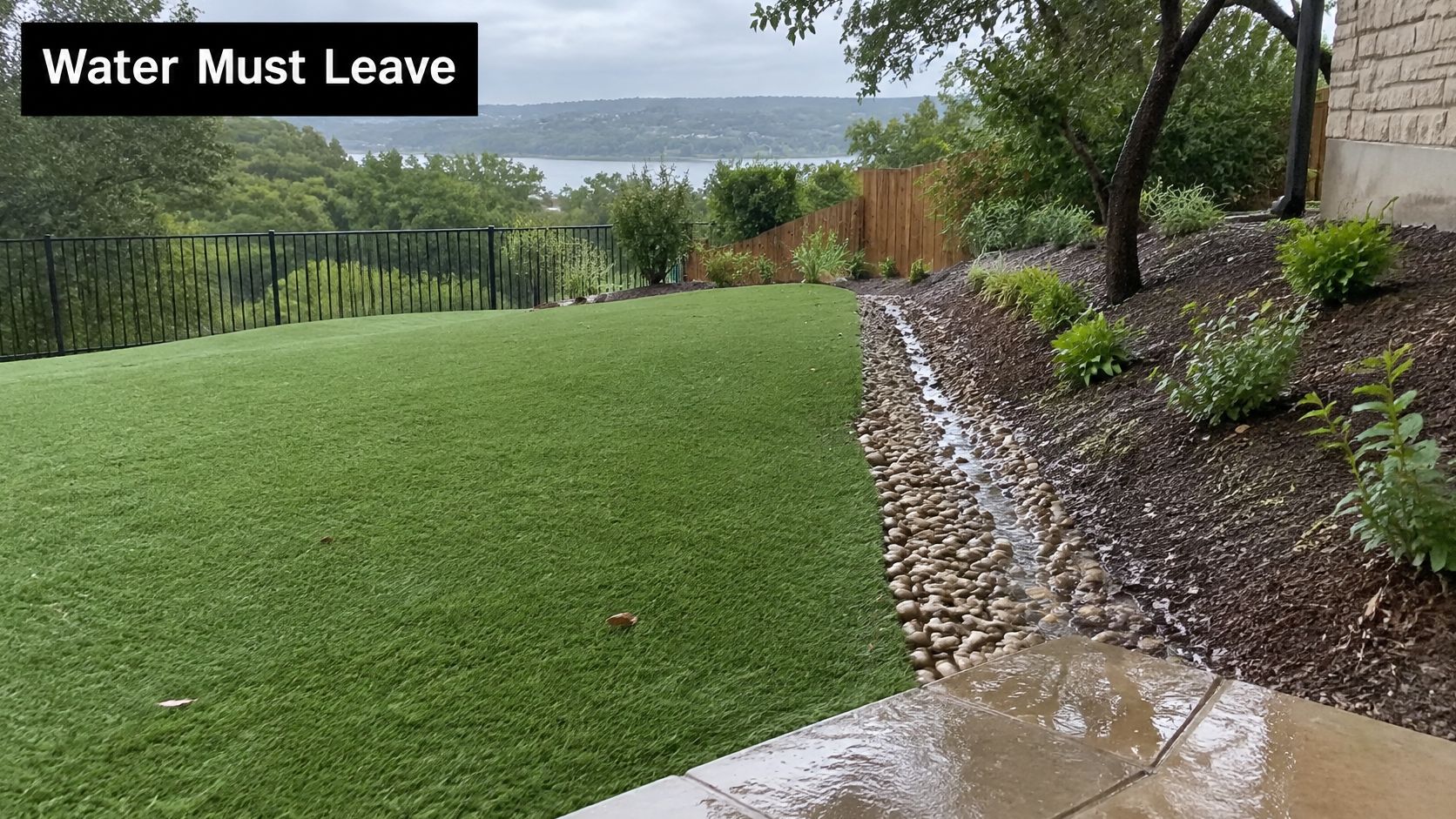
An artificial lawn is only permeable if water can leave the whole system. Central Texas storms drop heavy rain on clay soil that drains slowly, so the design has to route water on purpose. Perforated backing will not fix a poorly prepared base or a blocked outlet.
Treat product permeability claims as one input in the design, not the answer. A 2025 study examining artificial-turf runoff and end-of-life impacts is a useful reminder that the product itself is only part of the drainage picture. The base, the slope and the outlets determine where the water goes. Ask the installer to plan drainage for the entire site, including the beds, patios and hard edges around the turf.
Heat planning belongs in the same conversation. Turf sitting in full afternoon sun, especially next to west-facing walls or pale concrete, can run hot enough to limit barefoot use. A good installer will talk through shade, infill choice and rinse-down options for the sunniest sections rather than sell you on turf color alone.
What a written drainage plan should show
- Fall direction: The intended water-flow direction for every section of lawn.
- Soil and slope assessment: What the installer observed on site and how it shaped the design.
- Clean-outs and outlets: Where they're located and how you can access them.
- Overflow routing: Where excess water goes, away from foundations and neighboring lots.
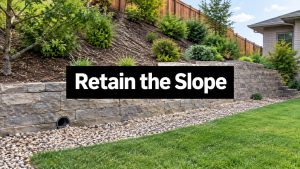
- Transitions: How the design handles retaining walls, pool decks and concrete edges.
- Infill retention: How the crew will limit infill loss at edges and low points.
- Heat exposure notes: Which sections get the strongest sun and what the design does about it.
- End-of-life responsibility: How the old turf will be removed and whether there's a recovery or recycling plan.
Two Austin yard problems, two different details
A backyard that slopes toward a fence line may need a dedicated outlet to keep runoff from collecting along the boundary or spilling onto a neighboring lot. A pet run beside a patio needs its own rinse-off path to a suitable drain, plus a base that lets water move through instead of sitting trapped beneath the backing.
Good drainage depends on soil preparation, aggregate, compaction, slope, edging and outlet design. If urine or rinse water lingers in a dog run, odors get harder to manage, so plan the waste-removal path and keep up with rinsing. Ask the installer to put the design in writing as a drainage plan for artificial grass.
Keep that plan with your project records. It's a document you can refer to after storms, not a verbal promise to remember later.
A Line-Item Estimate Example and What Moves the Price
Take a 1,200-square-foot backyard with a mid-range specification. Before anyone walks the lot, the honest version of that estimate looks like the table below: every line listed, none of them priced. A real quote fills these in after the estimator has measured access, checked the slope and confirmed where water needs to go.
Line-Item Estimate Structure for a 1,200 Sq Ft Backyard
| Line item | What the estimator should specify | Amount |
|---|---|---|
| Excavation, old grass removal and aggregate base | Depth of dig, aggregate tonnage, haul-off | To be priced at site visit |
| UV-resistant high-denier turf | Product name, square footage, waste allowance | To be priced at site visit |
| Infill | Type (silica, TPE or antimicrobial) and application rate | To be priced at site visit |
| Labor and installation | Crew scope, seam count, access difficulty | To be priced at site visit |
| Edging | Material and linear feet | To be priced at site visit |
| Drainage tile and outlets | Layout, outlet locations, run length | To be priced at site visit |
| Planning total | 1,200 sq ft multiplied by the per-square-foot band you choose | Set at site visit |
For a rough budget, multiply the square footage by the per-square-foot planning ranges covered earlier in this article. Treat the result as a floor and a ceiling, not a bid.
Read the table the way an installer reads it. The drainage line and the infill line decide how this lawn performs through a Central Texas summer. Turf color and pile height change the look, not the behavior. A quote that prices drainage and infill carefully is worth more than a cheaper one that glosses over both.
Why the same area can cost more
Site access is a practical driver. If the crew has to carry material through a narrow side yard, moving aggregate and turf takes more labor. The amount of old grass to remove, the slope and the required grading also change excavation work.
Then there are the details that make one yard different from another: retaining walls, drainage-tile length, curved edges and intricate seams all affect the work. Antimicrobial treatment or cooling technology should appear as its own option, so you can decide whether the upgrade fits your needs.
A steep lot that needs more drainage can cost noticeably more than a flat yard of the same size. A lump-sum total hides the choices that explain the difference. Ask for quantities and unit rates, then compare alternatives, such as silica sand and TPE infill, to see how a different specification changes the estimate.
Special Builds for Pet Runs, Putting Greens and Sunny Areas
A south-facing Austin yard can have three jobs at once: dogs need a clean run, kids cut across it, and one corner bakes beside the pool. Same footprint, three different specifications. Turf color changes the look. Drainage design and heat planning decide how the lawn performs in Central Texas.
Price those choices line by line. On the same yard, a pet run may add a freer-draining base and a rinse route, a putting green may add tighter grading and edge labor, and a sunny poolside strip may need shade planning plus an infill that handles heat better. If the estimate only says “special area,” you cannot tell what you are buying.
Specification Changes for Special Builds
| Special build | Specification changes | Heat and drainage notes |
|---|---|---|
| Pet run | Free-draining base, antimicrobial infill, defined rinse path to a drain | Add partial shade; plan where wash water goes before turf is laid |
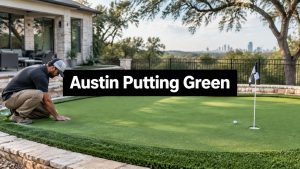
| Putting green | Tightly graded base, precise slope, dense short-pile turf, clean edge detail | Keep it out of full afternoon sun where possible; grading errors show quickly |
| Shaded backyard | Standard base with extra attention to tree roots and drainage | Shade lowers surface heat before any cooling product is added |
| Sun-exposed patio or pool deck | Heat-tolerant TPE infill, cooling zones where people stand | Misting helps briefly; it uses water, so treat it as occasional |
| Commercial play area | Steel edging, drainage capacity sized to the footprint, reinforced seams | Written heat plan with shade and scheduled access times |
A pet run needs a base that drains, a route for rinse water and shade where the yard allows it. Antimicrobial infill can be part of the specification, but it does not replace cleaning. A custom pet-turf installation should map where pets relieve themselves and how that area gets washed, because those details decide odors and wear.
For a putting green, precise grading and a dense, short pile come first. Sloppy slope control shows up in the roll, while a clean edge keeps the finished green looking intentional. A shaded backyard has a different problem: roots and runoff. Protect the drainage path around trees before spending money on cooling add-ons.
On a sun-exposed patio or pool deck, put cooling effort where feet really land. TPE infill and targeted shade do more than buying the greenest blade in the showroom. For commercial play areas, size drainage to the footprint, reinforce seams and put shade plus access timing in a written heat plan.
On hot days, use your hand before paws or bare feet. If the surface is too hot to touch comfortably, keep dogs and kids off it until it cools. For a deliberate check, set a thermometer on turf in full sun and another spot in shade on the same afternoon, record readings through the week and compare the spread. The shaded number tells you about shade only.
Maintenance Routine and How Long Turf Lasts
Low maintenance doesn't mean no maintenance. A turf lawn still needs cleaning, brushing and regular checks, especially where pets use it or traffic flattens the pile. A simple schedule makes it easier to spot small problems before they spread.
- Every two to four weeks during the growing season: Brush the pile to help the blades stand upright.
- Weekly in fall and after storms: Remove leaves and debris before they get ground into the turf.
- Several times a week in pet areas: Rinse after use, and rinse more thoroughly after heavy use.
- Every quarter: Look along seams and edges for lifting or gaps.
- Twice a year and after major storms: Clear drains and outlets so runoff can move freely.
- Yearly: Check whether the infill needs topping up as it compacts.
- During hot spells: Look for flattened pile and check whether busy areas need extra brushing.
A quality system on a sound base with good drainage commonly lasts about 10 to 15 years. That lifespan can shorten if water stands under the backing, seams are open or poorly sealed, low-grade fibers face heavy UV exposure, or a pet area doesn't get rinsed. The installation and care routine matter just as much as the product sample you chose.
Watch for early signs: Soft spots, lifting edges, opening seams or drains that back up after rain are reasons to call the installer. They're useful checks that can help protect your investment, not proof that the whole lawn has failed.
Austin Questions Answered Before You Book
Will the turf be too hot in summer? Turf runs hotter than natural grass in direct sun, so plan for it. Shade trees or a shade structure over seating areas do the most good, and TPE infill holds less heat than standard sand. A mist line or quick hose-down cools the surface fast but only until the water evaporates, so run it right before people go out, not all day. If your yard gets full sun with no shade option, weigh that trade-off carefully before you commit.
Can you install on a narrow or sloped lot? Usually, but it depends on three conditions: whether base material can reach the yard by hand-carry or wheelbarrow when machines can't fit through the gate, where the drainage outlet can run on the slope, and whether a retaining wall needs separate work. A site survey settles all three before you sign.
Do I need city approval or an HOA check? Check both. Ask the City of Austin whether the new surface counts toward your lot's impervious-cover limit and whether the drainage plan needs review. Ask your HOA for its written rules on turf and visible surfaces. Whatever you learn, get it recorded in the written drainage plan.
How soon can we use it? Wait for a settling check before pets or kids go on it. Walk the surface, press along the seams, and confirm the infill sits level with no soft spots or lifted edges. Once the crew signs off on that check, the lawn is ready.
How long will it last? Plan on about 10 to 15 years for quality turf on a sound base with good drainage. Standing water under the backing, open seams and skipped pet rinses cut that short. The installation and your upkeep decide which end of that range you land on.
Confirm Your Guarantee and Book Your Austin Site Visit
The same Austin yard can come back with different totals even when the turf rolls look identical in the truck. Ask each bidder to price your yard line by line, with base prep, edging, infill, access labor, drainage work and heat planning separated. A lower number can hide missing drainage work, and in Central Texas that is what decides whether the lawn stays flat, drains clean and remains usable through summer.
A guarantee matters only if you know what it covers. Before you sign, ask whether it applies to materials, installation defects, drainage performance, appearance or another specific outcome. Get the claim process, deadlines, remedies and exclusions in writing, including whether pet damage, vehicle damage or later irrigation changes are excluded.
There's a meaningful difference between a limited workmanship warranty and a broad satisfaction promise. The Federal Trade Commission's guidance on guarantees and warranties says advertised guarantee terms should be disclosed clearly and honored as offered. Ask for clear limits instead of relying on a promise you can't evaluate.
At the site visit, ask whether the exact guarantee terms and proof of insurance can be provided in writing before work begins. Then verify the coverage and read the terms rather than relying on a salesperson's verbal explanation.
Three checks before you commit
- Request a written drainage plan and line-item estimate. Check that the proposal describes water routing, materials, labor and any separate costs.
- Ask for references from completed Austin projects. Look for yards with similar slope, access, pet use or drainage conditions.
- Compare the warranty with the risks. Make sure the written coverage addresses the work you're most concerned about, and read the exclusions.
Calling for a site visit doesn't commit you to an installation. It gives you a chance to review the property, ask direct questions and decide whether the proposed work matches what your yard needs.
Call Modern Yard Landscapes to book your Austin site visit and get a line-item estimate that accounts for turf, access, slope, drainage and heat planning. Send your measurements, photos, slope notes, pet-use details and drainage concerns so the estimator can price the same yard against a clear scope. To arrange the appointment, visit Modern Yard Landscapes.