
You've probably seen it already. The front lawn looks fine from the street, but up close it's a mess, brown patches in the heat, a dog path worn into the same strip by the fence, and another Saturday burned hauling hoses, mowing, and trying to coax dead sod back to life. In Austin, that's usually the moment homeowners stop asking, “What kind of grass should I plant?” and start asking the smarter question, “What type of turf works here?”
That shift matters. Types of turf aren't just a style choice, they decide how your yard handles heat, drainage, pets, foot traffic, and how much work you'll be stuck doing after the install. If you're comparing natural grass to synthetic options, the decision is a systems decision, not a color decision. A well-chosen turf surface can support a clean-looking yard, a usable dog run, or a backyard hangout that doesn't turn into a mud pit after a storm.
A lot of homeowners start by looking for outdoor inspiration, then realize the lawn itself is the anchor for the whole space. If you're planning a broader upgrade, outdoor living space ideas can help you think past the lawn and into how the whole yard gets used. For Austin-specific alternatives to thirsty grass, it also helps to compare turf with the broader options on drought-resistant lawn alternatives.
Why Austin Homeowners Are Rethinking Their Lawns
I've stood in plenty of Austin backyards where the owner points to a scorched patch of St. Augustine and says the same thing, “I just fixed that area last year.” Then the dog tears through it again, the irrigation bill shows up, and August does what August does. That's the moment the lawn stops being a pride project and starts acting like a maintenance problem.
Central Texas makes lawn decisions harder than they look. Heat is punishing, clay soils hold water in some spots and crack in others, and pet traffic beats up weak grass fast. If you keep trying to force conventional turf to perform here, you end up fighting the site every season. For homeowners comparing grass, synthetic turf, and other drought-resistant lawn alternatives, the right move is to match the surface to the way the yard gets used.
The market backs that shift. The global artificial turf market was estimated at USD 6.88 billion in 2025, with projections to reach USD 16.6 billion by 2035 according to Market.us. In that same market, monofilament turf held 52.30% of the filament-type segment, polyethylene accounted for 68.40% of material share, and the sports end-use segment represented 51.41% of demand. That tells you the category has matured. The common standard is no longer a fake-looking novelty surface, it is an engineered product with real subtypes.
A lot of homeowners start by thinking about the lawn as a standalone fix, then realize the yard works better as a whole. If you are planning a broader upgrade, outdoor living space ideas can help you plan how the turf, patio, play area, and seating zone fit together. That is the right way to choose turf in Austin, not by chasing the prettiest sample in a showroom.
Practical rule: if your lawn has to handle dogs, heat, and regular use, choose the turf system first, then the look. Homeowners who start with appearance usually end up disappointed.
The Five Building Blocks of Every Artificial Turf Product

If you can read a turf spec sheet, you can avoid a bad quote. I tell homeowners to think of turf like a carpet built for weather, traffic, and clean-up, because the five parts that matter are pretty simple once you strip away the sales language.
Start with the thread, then the cut
Fiber material is the thread. In synthetic turf, polyethylene, nylon, and polypropylene all behave differently, and the material choice affects softness, heat feel, and durability. Fiber shape is the cut, which changes how the blade stands, how it reflects light, and how realistic it looks from the patio. Pile height is the blade length, and it changes the feel underfoot, the amount of visual density, and how easy the surface is to brush back up after use.
Density and support matter more than most buyers think
Face weight is the density of the weave. Higher face weight usually means more fiber in the same area, which can help the lawn feel fuller and hold up better under traffic. Backing is the carpet pad underneath, and it matters because it helps lock the fibers in place and supports drainage. If the backing is weak, the whole surface ages badly, no matter how good the top layer looks on day one.
Plain truth: a pretty sample in your hand doesn't tell you much. The backing and density decide whether the turf stays planted after dogs, kids, heat, and storms start working it over.
Austin homeowners also need to ask about install layers, not just the face yarn. A useful breakdown of turf structure is on artificial turf layers, and that matters because the best-looking blade is still a bad purchase if the base beneath it is sloppy.
Polyethylene, Nylon, and Polypropylene Compared
Most generic guides stop at “three fiber types” and leave it there. That is too shallow for anyone buying turf in Austin, because the fiber material and the way the yarn is built work together. Polyethylene is the usual residential sweet spot, nylon is the hard-wearing specialist, and polypropylene fills the budget niche when the job is light.
| Fiber Construction | Best For | Feel | Heat & Durability |
|---|---|---|---|
| Monofilament polyethylene | Family lawns, front yards, most residential installs | Soft, realistic, comfortable under bare feet | Good balance of realism and durability |
| Fibrillated polyethylene | Utility areas, sports-style surfaces, some budget-conscious installs | More structured, less natural-looking | Solid wear behavior, less refined appearance |
| Texturized polyethylene | Fuller-looking residential turf, decorative spaces | Cushier feel, visual density | Good comfort, depends on install quality |
| Nylon | High-traffic putting fringes, specialty performance zones | Firm, very resilient, less forgiving | Strong under load, not the softest choice |
| Polypropylene | Temporary, light-use, budget projects | Stiffer, less plush | Budget-friendly, but less heat-resistant and less durable |
For Austin, monofilament polyethylene is usually the right starting point for a backyard lawn. It gives you the best mix of softness, realism, and day-to-day durability without feeling flimsy under normal foot traffic. If you want a cleaner, more natural look from the patio, that is the construction I'd put in front of most homeowners first.
Nylon still has a place, but use it where the yard gets punished. A putting green fringe, a hard-working play zone, or a spot that sees repeated traffic can justify the tougher feel. Polypropylene is the cheapest lane, and I only recommend it for light-use areas, short-term projects, or spots that do not need to handle Texas heat and heavy use for long. For a straight look at how a product will hold up over time, a closer look at artificial grass durability is worth reviewing before you choose, especially if you are comparing bids from different installers.
If you are trying to match fiber type to real life in Central Texas, do not treat it like a simple material choice. Sun exposure, pets, kids, and how much time the yard gets used should drive the call. That is exactly why a free on-site estimate from Modern Yard Landscapes matters, because someone needs to look at the heat, drainage, and use pattern before you pick the wrong product and regret it later.
Infill Options That Change How Turf Actually Performs

The turf roll gets attention, but the infill is what makes the surface behave. It supports the blades, affects temperature, changes how it feels underfoot, and helps or hurts cleanup after dogs use the space. Two lawns can use the same turf product and perform very differently because of what's poured between the fibers.
Sand, rubber, and blends each solve a different problem
Silica sand is the common stabilizer. It helps hold fibers upright and keeps the surface grounded, which is why it shows up in a lot of residential systems. Crumb rubber adds resilience and bounce, which is why it's often associated with sports use. Sand-rubber blends try to split the difference, with sand for stability and rubber for cushioning.
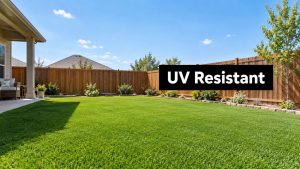
Austin heat changes the equation fast. A high-rubber surface on a south-facing lawn can get hot enough to feel punishing in July, so I'm cautious about all-rubber infill for homes that bake all afternoon. If pets are part of the picture, antimicrobial coated sand infill is usually the smarter starting point, because odor control and drainage matter more than a little extra plushness. For households weighing surface comfort and clean-up, sand infill for artificial grass is a useful place to start.
Cooling infills solve a real problem, but they're not magic
Newer cooling infill options exist, and they're worth considering on exposed sites or around play areas. I'd use them when heat mitigation matters more than keeping the quote lean. They cost more, so I only recommend them when the yard's orientation, use pattern, or lack of shade justifies the upgrade.
Turf that looks identical in a sample tray can feel completely different in an Austin backyard. Infill is the reason.
For pet areas, drainage has to be part of the conversation before anyone talks about blade color. If the installer skips that part, the lawn will smell, hold moisture, or both.
Matching Turf Type to How You Use the Yard
A yard in Austin does not need one turf choice, it needs the right turf choice for how people and pets will use it. The surface that works for a front lawn at breakfast can fail in a dog run by lunch, and a putting green has its own rules entirely. Start with the use case, then match the product, because the wrong fit shows up fast in heat, traffic, and cleanup.
Residential lawn
For a typical Austin home, I would put natural Bermuda or Zoysia against a monofilament polyethylene turf system. Natural grass still has a place if you are willing to mow, water, and stay on top of maintenance, but that is a labor decision as much as a lawn decision. If you want the yard to stay usable with less weekly work, synthetic turf wins on convenience.
I would still look at shade, foot traffic, and how much time you want to spend caring for the yard. A front yard that gets plenty of sun and light use can handle a different build than a back yard that hosts kids, dogs, and weekend traffic. That is why a free on-site estimate from Modern Yard Landscapes matters, because a good installer should size up the space before anyone talks product.
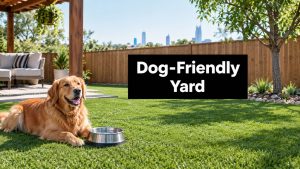
Pet run
A dog run needs drainage, cleanup, and odor control more than it needs a magazine-cover look. I would spec a turf system with a pet-friendly infill and a base that drains fast instead of chasing a softer, taller blade that traps debris. A yard that looks lush but smells bad is still a bad yard.
Pets change the equation in a hurry. If the surface does not move water away quickly and let you rinse it down, you will fight moisture and odor over and over. That is the kind of problem I want to catch during an estimate, not after the install is done.
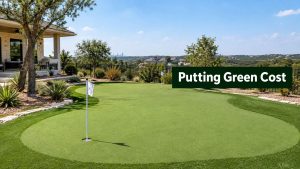
Backyard putting green
A putting green is a different animal. Dense, shorter turf with the right roll is the goal, and nylon often makes sense on high-wear edges. A residential lawn blade can feel good under bare feet and still putt poorly, so do not buy turf for a lawn and expect it to behave like a green.
Speed, consistency, and edge wear matter more here than softness. If the goal is backyard practice, the turf has to match how the ball moves and how often people will stand or walk on the surface. That is a product choice, not a guess.
Commercial common area
For apartments, retail courtyards, and other shared spaces, durability and fast recovery under traffic matter most. Appearance matters too, but it comes second to wear performance and cleanup. In these spaces, I want a higher-spec system and careful base prep, because shortcuts show up quickly once people start using the area every day.
Shared spaces also need a surface that can take abuse without looking tired. Entry paths, seating areas, and play zones all create different wear patterns, so the turf choice has to match the load, not just the color sample. That is the kind of judgment call a proper site visit clears up fast.
Installation, Drainage, and Base Prep That Make Turf Last

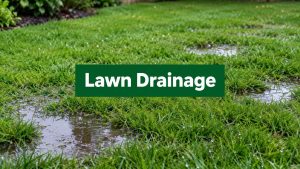
Austin soil can ruin a lazy install. Expansive clay moves, storms dump water fast, and cheap base prep turns into bumps, soft spots, and drainage complaints. If the installer ignores the ground work, even premium turf can fail early.
The base is the job, not a line item
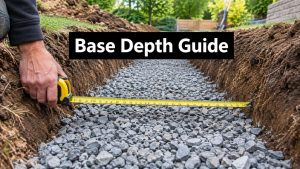
The first thing I look at is whether the crew excavates enough, installs drainage tile where needed, and compacts a proper decomposed granite base. Then I check grading. A clean slope for runoff keeps water from sitting under the turf and turning the subgrade into a mess.
Commercial-grade steel edging matters because it holds the perimeter in place and keeps the system from creeping. Seam tape matters because bad seams are obvious from day one and only get uglier with use. Infill distribution matters too, because uneven fill creates dead-looking strips and weak spots in the traffic pattern.
If an installer gives you a quote without talking about drainage, base depth, edging, and seams, keep shopping.
The questions worth asking before you sign
- How deep are you excavating? Shallow prep usually means short-lived results.
- Are you installing drainage tile where the site needs it? A flat answer is a warning sign.
- What base material are you using? Ask specifically about decomposed granite and compaction.
- How are you handling edges and seams? These are the small details that separate a clean finish from a sloppy one.
- How will you spread infill? Uneven infill shows up fast in high-use areas.
Modern Yard Landscapes treats site prep as the core of the install, which is the right mindset in this climate. You don't get a durable turf system by skipping the ugly work under the pretty surface.
What Turf Actually Costs in Austin
Good turf pricing is factors-based, not guess-based. The quote should reflect turf quality, square footage, site access, labor complexity, base depth, drainage upgrades, and any specialty add-ons like antimicrobial infill or cooling technology. If a quote is suspiciously simple, it probably leaves out something important.
In Austin, the lower end of a straightforward install usually comes from simpler materials and easier access, while a more complex job with better turf, deeper prep, or drainage work pushes the price higher. That's normal. A common mistake is comparing only sticker price instead of the full ownership picture.
Artificial turf also removes costs that keep showing up on a natural lawn. There's no regular watering cycle, no fertilizer routine, no mowing service on the calendar, and no re-sodding after every rough season. It also gives you your weekends back, which homeowners usually underestimate until they stop spending them on yard recovery.
The right question is not, “What does it cost to install?” It's, “What does this lawn cost me over the next several years if I keep doing what I'm doing now?” That's the comparison that makes sense for Austin homeowners.
Your Turf Selection Checklist and Next Step
Before you sign anything, walk your yard and write down seven things. Use case, sun exposure, pet activity, drainage needs, preferred pile height, infill type, and warranty length. If the installer can't explain how those pieces fit your property, you're looking at a sales pitch, not a plan.
For Austin homes, I'd be blunt about the decision. Choose a turf system that matches your yard's real use, not the prettiest sample on the table. If you want a clean quote, ask for an on-site look at slope, soil, access, and drainage before you compare prices.
Modern Yard Landscapes offers free on-site estimates, factors-based pricing, and Austin-specific turf installs built around drainage, pets, and heavy use. If you're ready to see what fits your yard, schedule a visit and get a real plan instead of a brochure promise.
If you want honest guidance on types of turf for your Austin property, start with a free on-site estimate from Modern Yard Landscapes. They'll look at your soil, drainage, pets, and layout, then give you a factors-based recommendation that makes sense for your yard instead of a one-size-fits-all pitch.