
You're probably dealing with one of two situations right now. Either the property looks tired and uneven right before an important tenant visit, or you're staring at yet another contractor proposal that says almost nothing beyond “maintenance services” and a monthly price.
That's where expensive mistakes start.
Businesses often hire commercial grounds management contractors as if they're buying mowing. They're not. They're choosing who gets regular access to a business asset that affects appearance, liability, tenant confidence, water use, and long-term operating costs. If you treat that decision like a commodity purchase, you usually get commodity results.
Beyond Curb Appeal Your Landscape as a Strategic Asset
A regional manager approves the cheapest grounds contract in March. By July, tenants are complaining about dead turf at the entrance, runoff is staining sidewalks, and a visitor slips near an overwatered bed. The monthly invoice looked fine. The total cost of that decision did not.
That is how this gets mishandled. Exterior maintenance is often treated like a cosmetic service, even though it directly affects liability, tenant retention, water use, and the pace of future capital repairs. A strong partner protects the property's image, but that is only the visible part of the job.

Smart owners and asset managers look at site care through a Total Cost of Ownership lens. The monthly fee matters. So do replanting cycles, irrigation waste, trip hazards, stormwater problems, tenant complaints, and the time your staff spends chasing a contractor who only shows up to complete the minimum scope. That broader view is what separates a service vendor from a long-term operating partner.
If you want a useful benchmark for what that partner relationship should cover, review commercial property landscaping services with the same scrutiny you would apply to janitorial standards, roofing warranties, or parking lot maintenance.
What poor grounds care really costs
The expensive part is rarely the base contract. It is everything that follows when the work is reactive, sloppy, or disconnected from how the property functions.
- Higher liability exposure: Wet walkways, blocked sightlines, root heave, and neglected debris create preventable incidents.
- Tenant churn pressure: Entrances, common areas, and site edges shape daily tenant perception far more than owners like to admit.
- Avoidable replacement costs: Bad pruning, weak plant selection, and inconsistent irrigation shorten the life of installed materials.
- Operational drag: Your team ends up fielding complaints, documenting misses, and revisiting issues that should have been caught early.
A reliable contractor reduces those costs before they hit the budget.
The difference between a contractor and a partner
A contractor completes tasks. A partner pays attention to patterns. They notice irrigation zones that are wasting water, recurring drainage trouble after storms, worn pedestrian shortcuts, declining bed performance, and areas where appearance is slipping because the original plan no longer fits current use.
That matters because commercial site care is not just about horticulture. It is also about process, accountability, and managing external workers effectively. If a provider cannot communicate clearly, document issues, control crews, and flag risk before it becomes your problem, you are not buying peace of mind. You are renting future headaches.
The best choice is the firm that helps you protect asset value over time, not the one that offers the lowest monthly number and disappears until renewal season. Modern Yard Services fits that standard because the company approaches exterior care as an ongoing business relationship, with attention to presentation, site performance, and risk reduction. That is the standard you should demand.
Defining Your Needs Before You Make the First Call
The expensive mistake usually happens before a single proposal hits your inbox. A property manager calls three vendors, asks for “maintenance,” and gets three scopes that look similar on paper but solve three different problems. Six months later, the site still has muddy entries, worn turf by the signage, and tenants asking why the front approach looks tired again.
Define the job before a contractor defines it for you.

Audit the site like an operator
Walk the property in sections and treat each one according to how it is used. Entry monuments, tenant-facing frontage, shaded turf, pedestrian cut-throughs, drainage problem areas, dumpster enclosures, medians, and low-visibility edges do not need the same plan. If you describe all of it as “grounds care,” you invite a generic scope and generic results.
Use a checklist that forces specificity:
Traffic wear
- Where are people cutting across turf?
- Which areas never recover because foot traffic is constant?
- Would a harder-wearing surface fix a recurring maintenance expense?
Water behavior
- Where does runoff collect after storms?
- Which sections stay soft, muddy, or eroded?
- Are curbs, grading, or swales pushing water where it should not go?
Visual priorities
- Which views shape first impressions for tenants, visitors, and prospects?
- Where will cleaner edging, better plant performance, or seasonal color be noticed?
- Which low-value areas can be simplified to cut waste without hurting presentation?
This step is not busywork. It is how you avoid paying premium rates for low-priority areas while high-risk zones keep failing.
Define performance, not a task list
Do not ask for mowing, trimming, and cleanup. Ask for outcomes tied to business use and ownership cost.
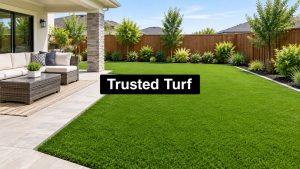
That may mean a cleaner front approach every week, fewer irrigation problems, better durability around signage, less mud at entrances, or stronger year-round presentation in tenant-facing areas. If grass keeps failing in the same spots, stop funding the same repair cycle. Review alternatives such as commercial artificial turf solutions where traffic, shade, or water limits make natural turf a bad investment.
A repeating exterior problem is rarely a maintenance problem alone. It is usually a design, drainage, material, or usage problem. The right partner will price and plan for the root cause, not just the symptom.
Set business priorities before pricing starts
Every property has a hierarchy. Frontage and leasing paths carry more weight than back corners. Stormwater trouble costs more than weak color rotation. Slip hazards, erosion, and dead zones affect liability, tenant perception, and replacement costs.
Put those priorities in writing before you ask for proposals. A contractor who understands your top concerns can build a scope around asset protection, site safety, and long-term ownership cost. One who does not will default to a monthly service menu.
That difference matters. You are not buying a crew. You are choosing a partner that will influence appearance, compliance exposure, and avoidable spend for years.
Include oversight, compliance, and site access in your requirements
Exterior care is tied to risk. Crews are on-site regularly. Irrigation use affects utility cost. Drainage failures can create safety issues and property damage. Local water rules and site standards can also shape what work is practical and what is not.
Spell out your expectations early. Require clear reporting on problem areas, approval procedures for extras, documentation standards, and a defined process for site access and crew supervision. Property teams that need a stronger internal process for managing external workers effectively should fix that before signing any agreement.
Clear requirements produce better proposals. Better proposals lead to better partnerships. That is how you control total cost of ownership instead of reacting to it after the damage is done.
Evaluating Contractors and Spotting Red Flags
A bad contractor rarely looks bad in the first meeting. They show up on time, talk confidently, and hand you a clean proposal. Six months later, your beds are declining, irrigation breaks are lingering, tenants are complaining, and every fix somehow costs extra.
That is why contractor evaluation is a risk decision, not a beauty contest. You are choosing a partner who will affect liability, operating cost, tenant perception, and how much management time this property drains over the next several years.
Green flags that actually matter
Start with how they inspect the site. A serious commercial contractor walks the property with purpose. They ask about irrigation zones, drainage failures, pedestrian traffic, access limits, seasonal complaints, vendor coordination, and service windows. They are trying to understand ownership risk and maintenance cost, not just put a number on mowing.
Then review the signs that point to a dependable long-term partner:
- Commercial-specific portfolio: You want proof of work on office parks, retail centers, HOAs, industrial sites, and multifamily properties with real wear, real rules, and real consequences.
- Clear insurance posture: If you need a refresher before comparing vendors, this guide to essential coverage for your lawn care company gives you a solid baseline for what responsible operators should carry.
- Defined operating process: Ask how they document issues, escalate hazards, handle missed service, and report recommendations. Good partners already have a process. They do not invent one after the contract starts.
- Service fit: Companies focused on commercial lawn care programs usually have stronger supervision, routing, and reporting than firms that mainly do residential work and pick up a few commercial accounts on the side.
- Scope discipline: They can explain exactly what is included, what is excluded, and what would trigger added cost.
- Warranty clarity: A contractor who stands behind installation or improvement work in writing is easier to trust than one who stays vague.
One more sign matters. They talk about your property like an asset, not a stop on a route.
Red flags that should end the conversation
Some problems are fixable. These are not.
- Vague pricing: If the proposal lumps everything into one monthly number, expect disputes later.
- No real site inspection: Bidding from satellite images or a quick drive-by is lazy and expensive for you.
- Pressure tactics: “Sign today” usually means “do not look too closely.”
- Weak insurance answers: If they cannot produce current certificates or explain limits clearly, stop there.
- No change-order process: Extra work will become a fight.
- Shallow operational knowledge: If they dodge questions about drainage, irrigation, erosion, trip hazards, or access constraints, they are not ready for commercial responsibility.
- Thin accountability: No field supervisor, no reporting cadence, no named point of contact.
- Poor documentation: If you cannot verify licenses, business details, or completed projects, you are guessing.
The cheapest bid often becomes the most expensive contract. You pay the difference through callbacks, tenant complaints, property damage, and management time.
Use a simple scorecard
Gut instinct has value, but it should not make the decision. Score every bidder the same way so you can compare who is built for a multi-year partnership and who is just chasing revenue.
| Criteria | Contractor A | Contractor B | Contractor C |
|---|---|---|---|
| Commercial portfolio relevance | |||
| Warranty length and clarity | |||
| Insurance and liability readiness | |||
| Site inspection thoroughness | |||
| Detailed scope of work | |||
| Drainage and compliance knowledge | |||
| Communication process | |||
| Change order procedure | |||
| Material transparency | |||
| Supervisor and reporting structure | |||
| Overall confidence level |
Process protects your total cost of ownership
A disciplined contractor usually costs less over the full term of the relationship, even if the starting price is higher. They catch problems earlier, document issues before they become claims, staff sites more consistently, and reduce the constant churn of corrections and approvals.
An undisciplined contractor does the opposite. They under-scope the work, miss site-specific risks, rely on change orders to recover margin, and burn your team's time every month.
Choose the company that makes ownership easier, safer, and more predictable. That is the standard that separates a vendor from a true commercial partner.
The Anatomy of a Winning Proposal and Contract
A contract problem usually starts long before the first missed visit or surprise invoice. It starts when a property manager signs a vague proposal because the price looks fine and the sales rep sounds confident. Six months later, your team is arguing over scope, approvals, damage, response times, and who pays for the fix. That is not a service issue. It is a procurement failure.
A serious proposal should read like a management plan for the property. If it does not spell out what gets done, how often it gets done, what materials are included, what assumptions drive the price, and how changes are approved, you are not buying clarity. You are buying future disputes.

What should be in the proposal
A proper commercial grounds proposal puts the scope in plain English. You should see service frequency, exact site areas covered, exclusions, material specifications, reporting contacts, and the process for urgent issues. If those details are missing, the contractor is leaving room to reinterpret the job later.
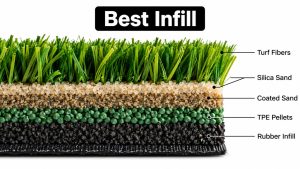
For installation or renovation work, demand specifics. The proposal should identify fiber type, infill options, edging material, drainage preparation, access constraints, disposal responsibility, and any assumptions about site prep. If it only says “install turf” or “improve drainage,” reject it and ask for a rewrite.
A strong document includes:
- Scope detail: Exact tasks, frequencies, and site boundaries.
- Material detail: Named products or performance standards, not generic allowances.
- Schedule logic: Start dates, sequencing, weather contingencies, and approval dependencies.
- Payment terms: Billing stages tied to work completed.
- Change-order process: Written approval before added cost or added work.
Why transparency protects total cost of ownership
Detailed estimates close deals because they reduce uncertainty. The National Renewable Energy Laboratory has published procurement and project planning resources that support a simple point: better-defined scopes and assumptions lead to better buying decisions. That matters because your real cost is not the starting bid. Your real cost includes rework, disputes, tenant disruption, management time, and liability exposure.
A thin estimate hides those costs. A disciplined estimate brings them into the open. When a contractor explains material quality, quantities, labor complexity, site constraints, and risk assumptions, you can judge whether they understand the property or are pricing blind.
If two bids are far apart, focus on what each one assumes. Price gaps usually come from scope gaps.
Contract clauses that deserve real scrutiny
Many property managers read the scope carefully and rush through the legal terms. That is a mistake. The contract decides how the relationship works when conditions change, performance slips, or damage occurs.
Read these clauses line by line:
- Scope boundaries: What is included, and what is excluded.
- Site conditions: How concealed conditions, drainage problems, utility conflicts, or access restrictions are handled.
- Liability terms: Who is responsible for property damage, safety failures, delays, and third-party claims.
- Response standards: Required turnaround times for recurring service, urgent issues, and tenant-facing problems.
- Termination rights: How you exit the agreement if performance drops or documentation fails.
The best contract protects both sides because it removes ambiguity before the pressure starts. That is what a real long-term partner provides. Modern Yard Services should be measured by that standard, and so should every other bidder.
Smart Questions to Ask Before You Sign
Most buyers ask soft questions and get polished answers. “How long have you been in business?” won't tell you much. Neither will “Do you do commercial work?” Every contractor says yes.
Ask questions that force process, judgment, and proof.
Questions that reveal how they actually operate
Use these in meetings and watch whether the contractor answers directly or starts drifting into sales talk.
Walk me through your site assessment process.
If they can't explain how they inspect drainage, access, wear patterns, and material needs, they're not managing risk. They're quoting blind.What happens when the site conditions differ from your assumptions?
You want a calm, documented answer. Not improvisation.How do you handle urgent service issues or tenant-facing complaints?
A real operator has a communication chain and response protocol.What parts of this property would you redesign instead of continuing to maintain?
Strong commercial grounds contractors will identify recurring failure points and challenge bad assumptions.
Questions that test sustainability and long-term thinking
Plenty of contractors mention “green” practices because they know clients want to hear it. Don't settle for buzzwords. Ask for documented options.
A 2025 Green Business Alliance report stated that 63% of business owners prefer contractors who use native plantings and water-efficient systems. It also found that contractors who can document their sustainable options are 3.1 times more likely to be contacted by commercial clients. Buyers are clearly treating environmental performance as part of contractor credibility, not as a bonus feature.
Ask these:
- Which native or low-water plant strategies fit this site?
- Where can irrigation demand be reduced without hurting appearance?
- What non-toxic or lower-chemical maintenance options do you offer?
- How do you document water-efficient systems in the proposal?
Questions that expose weak partners
You don't need trick questions. You need specific ones.
Ask for an example of a difficult commercial site they've handled. Ask how they price contingencies. Ask who approves change orders. Ask who your main contact will be after the sale. Ask what they won't do, and why.
If their answers stay vague, that's your answer.
Good contractors don't get irritated by hard questions. They welcome them, because disciplined clients make better long-term partners.
Partnering for Success with Modern Yard Landscapes
A commercial grounds care relationship works when both sides think beyond the next mowing cycle. The owner or manager needs a contractor who sees the property as an operating asset. The contractor needs a client who values clear scope, transparent pricing, and long-term performance.
That's the standard worth holding.

What strong partnership looks like
The right partner doesn't just show up and react. They help you make smarter property decisions before problems spread. That includes identifying where natural grass no longer makes financial sense, where drainage tile or retaining walls can prevent recurring damage, and where durable, low-maintenance surfaces can improve year-round presentation.
If your site has high-traffic wear, water issues, or recurring maintenance inefficiency, it pays to think in terms of lifecycle value. That's especially true when you're comparing installation cost against years of water use, repair work, and appearance management. A better grounds decision often costs more upfront and less over time. Buyers exploring long-term surface performance should review factors involved in choosing commercial synthetic turf.
Why credibility still matters at the end
A lot of contractors sound capable. Fewer can prove they operate like professionals. Credentials help close that trust gap. Professional credibility, including certifications and memberships from recognized bodies such as NALP, creates a measurable advantage. When a contractor showcases NALP membership or certification, commercial clients are 3.2 times more likely to initiate a consultation call.
That matters because this decision isn't just about aesthetics. It's about choosing who you trust with appearance standards, drainage realities, customer-facing spaces, and the long-term cost of ownership.
The best time to judge a contractor is before you sign. The second-best time is right now.
If you want a commercial landscape partner that treats your property like a business asset, not a mow-and-go route stop, schedule a site evaluation with Modern Yard Landscapes. You'll get a transparent review of your property's pressure points, realistic recommendations on turf, drainage, and long-term maintenance, and a team that's fully insured, backs its work with a total satisfaction guarantee, and knows how to build landscapes that hold up under real commercial use.