
You're probably dealing with the same pattern most property managers face. A tenant complains that the entry looks tired. Another points out muddy walkways, dead turf, or dim exterior lighting. Then a small drainage problem turns into stained concrete, stressed plantings, and another invoice you didn't plan for.
That's why smart commercial property maintenance starts outside. The exterior is where tenants, customers, investors, and inspectors form their first opinion. It's also where neglect fosters bigger costs inside the building.
Your Property's First Impression Starts Outside
A neglected exterior tells people something is off, even when the lobby is spotless. Overgrown beds, patchy grass, standing water, cracked walkways, and failing lighting make a property feel unmanaged. Tenants notice it. Visitors notice it. Prospective occupants definitely notice it.
Property managers who treat exterior care like a low-priority line item usually end up paying for that decision twice. First in avoidable repairs. Then in weaker tenant confidence.
Exterior upkeep is asset protection
Clean edges, healthy plantings, working irrigation, stable grading, and safe hardscapes do more than improve curb appeal. They protect the building envelope, reduce slip hazards, and support the kind of consistent presentation that helps a property hold value over time.
If you manage office, retail, or mixed-use space, your exterior also shapes daily experience. People decide whether a place feels professional before they ever walk through the door.
Practical rule: If the outside looks inconsistent, people assume the rest of the property is being managed the same way.
That's why a serious exterior plan belongs inside your broader asset strategy. It isn't separate from occupancy, tenant retention, or reputation. It supports all three.
Reactive maintenance is the expensive version
Too many sites run on complaints. Someone reports dead turf. A storm exposes drainage issues. A walkway becomes a trip concern. Crews get called only when something is visibly failing.
That approach creates stress and weakens trust. A better standard is scheduled care with clear priorities, documented inspections, and durable material choices that reduce recurring problems. That's especially true when you're evaluating upgrades like commercial property landscaping solutions.
The right maintenance plan should do one thing above all else. It should give you fewer surprises and a property you're proud to walk.
Beyond Mowing A Comprehensive Service Checklist
A property can have a clean lobby and reliable building systems, then lose ground the second someone pulls into the parking lot. Thin grass, standing water, broken lights, and cracked walks signal deferred care. They also drive up costs faster than many owners realize.
The outside of a commercial site works as one connected system. Turf, drainage, paving, lighting, and planting choices affect safety, labor, water use, and how confidently tenants talk about the property.

The four outdoor pillars that matter most
Turf and planting care
This is the part everyone notices first, and it is often where budgets get burned on repeat work. Natural grass needs mowing, edging, irrigation checks, fertilizer, weed control, and ongoing repair after heat, traffic, or pet use. Decorative beds need pruning, mulch refreshes, cleanup, and replacement planting.
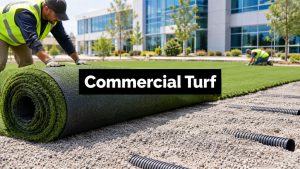
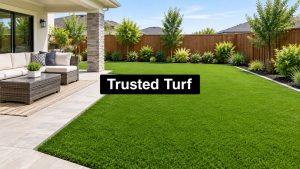
Artificial turf cuts out much of that cycle. Managers get a consistent, clean-looking surface without the weekly struggle to keep natural grass presentable. For high-traffic areas, pet relief zones, courtyards, and entry greens, it is the smarter long-term investment because it reduces labor, lowers water demand, and removes the constant patch-and-repair routine.
Irrigation and drainage
Poor water control damages good properties. Broken heads, overspray, runoff, pooling, erosion, and soggy low spots create visual problems first, then expensive site problems.
Water near foundations, walks, and planted areas should never be treated as a minor nuisance. It stains surfaces, weakens soil stability, and shortens the life of surrounding materials. Properties with recurring runoff or standing water should address it with proven yard drainage solutions for commercial grounds.
Hardscape upkeep
Walkways, retaining walls, curbs, paver zones, and shared outdoor spaces need regular inspection. Settling, cracks, loose edges, and failed joints turn into liability claims and replacement costs when they sit too long.
Well-kept grounds feel deliberate. Visitors notice clean transitions, level walking surfaces, and outdoor areas that look maintained instead of patched together.
Exterior lighting and site presentation
Lighting shapes safety and perception fast. Burned-out fixtures, dark parking edges, dim entry paths, and poorly lit signage make a property feel unmanaged, even when the building itself is in good condition. Debris buildup and weathered surface areas create the same problem.
If you want a useful outside perspective on inspection discipline, these top facility management practices are worth reviewing.
Outdoor choices affect indoor operating costs
Service checklists often miss this point. Exterior decisions influence building performance.
Poor grading, dense overgrowth near equipment, and heat-retaining surfaces can trap moisture, block airflow around HVAC components, and make cooling systems work harder. Atlas Facilities notes that strategic shade and permeable exterior materials can reduce cooling demand in warm climates. That makes site planning a cost-control decision, not a cosmetic one.
Good exterior maintenance protects value in two directions at once. It improves what people see outside, and it reduces the strain that neglected outdoor areas put on the building itself.
Proactive Scheduling for Every Season
A good maintenance plan isn't a static checklist. It changes with weather, occupancy patterns, and how each part of the site performs under stress. Properties that stay ahead of problems usually follow a seasonal rhythm instead of waiting for failure.
This kind of planning keeps teams calm because everyone knows what needs attention and when.

Spring cleanup is really system startup
Spring isn't just about making a property look fresh. It's when crews find what winter or heavy weather left behind.
Focus on these items first:
- Irrigation startup: Check controllers, valves, heads, pressure, and coverage before heat arrives.
- Drain and gutter clearing: Remove blockages so spring rain doesn't create runoff or standing water.
- Bed recovery: Refresh mulch where needed, prune winter damage, and replace plant material that didn't recover.
- Surface review: Inspect hardscape transitions, curbs, and walkways for movement or damage.
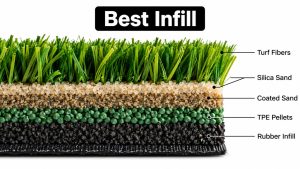
If you manage natural turf, spring also starts the heavy maintenance cycle. Fertility, weed pressure, mowing frequency, and watering all ramp up. Artificial turf usually needs a much shorter checklist. Clean debris, inspect seams and edges, and confirm infill is performing evenly in high-use areas.
Summer exposes weak planning fast
Summer is when neglected grounds show it. Irrigation problems become obvious. Heat stress makes bad plant choices expensive. Tenant traffic magnifies every worn-out area.
During warmer months, property teams should stay focused on:
| Priority | What to watch |
|---|---|
| Water use | Overspray, runoff, dry zones, controller errors |
| Traffic wear | Entry paths, dog areas, courtyards, gathering zones |
| Visibility | Fast growth around signage, walks, and parking edges |
| Heat load | Bare soil, stressed grass, and hardscape areas that intensify glare |
Natural lawns often become a labor trap in summer. They need constant correction. Artificial turf gives you consistency during the hardest season, especially in spaces where appearance can't dip every time temperatures rise.
Fall is preparation season
Fall is where disciplined managers save themselves winter problems. Trees drop debris into drains. Shrubs need shaping. Irrigation schedules need adjustment. Outdoor spaces need to be tightened up before the weather turns.
A strong fall plan includes pruning, leaf removal, drainage checks, and winterization of exposed systems where needed. It's also a smart time to evaluate whether repeated turf failure, erosion, or muddy traffic lanes justify a material upgrade instead of another round of repairs.
Winter is about safety and resilience
Winter work looks different by property type and climate, but the principle is the same. Protect access, prevent damage, and keep the site presentable.
Sites fail in winter when managers treat exterior care as optional until spring.
Winter watch should include storm cleanup readiness, slip-risk monitoring, hardscape inspection, and quick response for damaged limbs, clogged drains, or washed-out property edges. For turf systems, winter usually means light grooming and cleanliness checks rather than heavy intervention.
That's the primary value of proactive scheduling. You stop reacting to the calendar and start controlling it.
How to Budget for Commercial Property Maintenance
Most budgets fail because they only capture what a property spent before, not what it needs next. That's a mistake. Historic spend is useful, but it's a weak decision-making tool if the site has recurring drainage issues, aging hardscape, high irrigation waste, or labor-heavy natural turf.
A maintenance budget should reflect risk, complexity, and long-term performance.

Start with real benchmarks
For broad planning, it helps to know where commercial properties typically land. According to IFMA benchmarks, annual maintenance costs for commercial properties typically range from $2.00 to $2.50 per square foot. For office buildings, BOMA reports an average of $2.15 per square foot, while retail properties average closer to $1.50 to $2.00. These figures are essential for property managers to budget operating expenses effectively as summarized by CIM.
Those numbers give you a baseline, not a final answer. A property with simple beds and efficient surfaces won't budget the same way as a site with extensive lawn, challenging drainage, multiple outdoor amenities, and heavy daily traffic.
What actually drives the budget
A solid budget review should account for several variables at once.
- Property size: More square footage usually means more surface area to inspect, irrigate, clean, and repair.
- Grounds complexity: Turf areas, planters, retaining walls, and decorative zones all add service demands.
- Service frequency: Premium presentation requires tighter intervals than bare-minimum upkeep.
- Material durability: Short-life materials often look cheaper on paper and cost more in repeated repair.
- Problem history: Sites with runoff, erosion, shade failure, or traffic wear need a different plan than stable sites.
Stop comparing cheap bids to expensive problems
The biggest budgeting error I see is this. Managers compare line-item prices without comparing future consequences. A lower monthly bid can still be the more expensive choice if it leaves you with dead turf, poor drainage, and repeated patchwork repairs.
That's where durable upgrades matter. High-quality artificial turf often makes sense when a property keeps spending money to maintain grass that never performs the way tenants expect. If you're evaluating that shift, this breakdown of artificial turf cost factors is a useful place to start.
Budget for outcomes, not activity. Tenants don't care how many mow cycles you paid for if the lawn still looks bad.
Think in terms of return
Good commercial property maintenance protects value because it reduces avoidable decline. Strong drainage protects hardscape and soil stability. Better surface choices cut labor intensity. Cleaner presentation supports leasing conversations and tenant confidence.
Use a short decision table when reviewing any major outdoor expense:
| Question | If the answer is yes |
|---|---|
| Does this reduce recurring labor? | Durable materials may outperform routine service spend |
| Does this lower water use? | Irrigation-heavy zones deserve scrutiny |
| Does this improve safety? | Prioritize it |
| Does this solve a chronic complaint? | It likely has operational value beyond appearance |
That's how smart budgets get approved. They connect spend to property performance.
Selecting a Vendor You Can Trust
A bad vendor costs you twice. First in the invoice, then again in missed details, tenant complaints, and preventable repairs that land back on your desk.
The right partner protects property value because they catch problems early, document what matters, and recommend fixes that reduce repeat spending. You are not hiring a crew to complete tasks. You are hiring judgment.
Start with proof
Any company on your shortlist should clear four requirements right away. They need current insurance, clear scopes of work, reliable communication, and experience with properties that match your traffic, visibility, and service demands. If they cannot show relevant results or explain how they manage a site from visit to follow-up, cross them off.
Use this vetting list:
- Insurance and business standing: Verify coverage, licensing where required, and who will be on-site.
- Relevant commercial experience: Ask for examples of properties with similar wear patterns, public exposure, and maintenance pressure.
- Clear reporting: Require site notes, photos when needed, and a written record of completed work and open issues.
- Fast communication: Slow replies during sales usually become slower after signing.
Strong vendors connect outdoor work to operations
Appearance matters, but it is not enough. Grounds decisions affect water use, safety, compliance, and how much time your team spends chasing recurring issues.
According to Building Engines, emerging ESG regulations and building-performance scores are pushing property teams to pay closer attention to energy and water efficiency. A vendor who understands that shift can help you choose materials, irrigation strategies, and surface upgrades that support broader property goals instead of creating more upkeep.
That includes knowing when natural grass is the wrong fit. On high-traffic sites, in shaded courtyards, and across frontage areas that never recover cleanly, quality artificial turf often beats ongoing patch-and-repair cycles. A smart vendor will say that plainly and explain the tradeoff in labor, appearance, and lifecycle cost.
Ask questions that expose how they think
Price matters. Vendor thinking matters more.
Ask these before you sign:
How do you spot repeat failures across a site?
Look for answers that mention drainage, foot traffic, irrigation coverage, sun exposure, soil conditions, and material selection.Where would you recommend replacement instead of another repair?
This is where strategic advice shows up. Good partners know when a worn lawn, failing bed edge, or muddy cut-through needs a better surface, not another service visit.How do you document problems and next steps?
Verbal updates are not enough. You need written follow-through your team can track.How do you coordinate with property operations?
Exterior work affects access routes, safety planning, irrigation timing, and vendor scheduling across the site.
If you manage several providers at once, the VerticalRent platform gives a useful model for organizing vendor oversight and accountability.
Choose the partner who reduces friction
The lowest bid usually needs the most supervision. You chase updates, revisit missed items, and approve fixes for problems that should have been prevented the first time.
Choose the company that makes the property easier to run and easier to lease. Compare vendors by how well they diagnose issues, communicate clearly, and recommend upgrades that lower maintenance pressure over time. If you are screening local providers, use these standards when reviewing commercial lawn care companies.
That is what trust looks like in commercial property maintenance. Consistent execution, useful recommendations, and fewer recurring headaches.
Smart Maintenance for a Greener Bottom Line
The future of commercial property maintenance isn't more labor. It's better systems, better materials, and fewer recurring failures. That's where property managers gain real control. They stop chasing appearance problems and start building grounds that stay presentable with less intervention.
For many sites, the smartest path combines water-conscious design, durable surfaces, and selective technology.

Low-input landscapes outperform high-maintenance habits
If a property still depends on constant watering, repeated lawn repair, chemical-heavy corrections, and seasonal patching, it's operating with an outdated grounds management model. Smarter sites reduce friction with xeriscaping, efficient irrigation, durable hardscape detailing, and surface materials that don't collapse under heavy use.
Artificial turf belongs in that conversation. High-quality turf isn't a shortcut. It's a deliberate upgrade for spaces where natural grass repeatedly fails the test of appearance, wear tolerance, and labor efficiency.
Technology should guide service timing
The strongest maintenance programs don't rely only on fixed calendars. They use performance signals. Integrating predictive maintenance using IoT sensors and AI can decrease unplanned downtime by up to 35-50% and cut maintenance costs by 15-25%. For exterior assets like artificial turf, this data-driven approach optimizes service frequency for infill redistribution and debris removal, ensuring peak performance and safety while minimizing labor hours as described by Visitt.
That matters because exterior service is often overscheduled in some zones and neglected in others. Data helps property teams target work where it improves performance.
The best-maintained sites don't always have the most service. They have the best-timed service.
Security, access, and exterior care should work together
Modern property operations are connected. Entry systems, lighting, visibility, walkability, and site arrangement all shape how safe and organized a site feels. If you're reviewing access upgrades alongside exterior improvements, tools for modern gate access for properties can complement a broader site management strategy.
That's the bigger point. A greener bottom line isn't only about using less water or mowing less often. It comes from reducing waste across the whole property system. Less rework. Fewer emergency fixes. More durable installations. Better presentation every day.
Artificial turf stands out because it checks those boxes at once. It holds its look, limits recurring labor, supports water-conscious planning, and performs well in the high-traffic spaces where traditional turf usually becomes a liability.
If your exterior keeps draining time, budget, and tenant goodwill, don't settle for another temporary fix. Replace the recurring problem with a better standard.
If you want a property exterior that stays sharp, safer, and easier to manage year-round, it's time to talk with Modern Yard Landscapes. Schedule an appointment and get clear recommendations on turf, drainage, hardscaping, and low-maintenance exterior upgrades that protect your property's value.