
You're standing in a Hyde Park backyard after a May downpour. The St. Augustine is thin and patchy, water is sitting near the patio, and the French drain has failed again. Worse, the designer, drainage installer, and lawn crew each have a different explanation, and none of them owns the result.
That's the problem full service landscaping is supposed to solve. One accountable team should evaluate the property, design the plan, build the improvements, and maintain the grounds after installation. In Austin, where heat, clay soil, limestone, sudden storms, and water restrictions all affect performance, that continuity matters more than a polished rendering.
What Full Service Landscaping Really Means
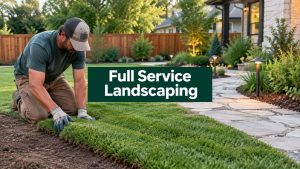
Full service landscaping means one team owns the property's outcome from the first site assessment through long-term care. That includes concept design, grading and drainage, hardscape installation, planting, irrigation, lighting, turf work, and recurring maintenance.
The alternative is fragmented. You hire a designer, then find a hardscape installer, then call an irrigation technician, then search for a lawn crew. When water collects beside the foundation, each contractor can point at someone else's work. You're left coordinating schedules and paying to correct problems that should have been anticipated during design.
One plan, one point of contact
A legitimate provider should give you one project lead, one written scope, and one accountable team. That lead should understand how sun exposure, soil, drainage, plant selection, and maintenance requirements interact on your specific lot.
The design also needs to account for mature trees and their root zones, not just the visible planting beds. The advice from Treecorp Solutions is useful background when evaluating how tree placement and long-term growth affect an outdoor plan.
Practical rule: If the company can't explain who owns a drainage problem after installation, it doesn't offer true full service.
The U.S. landscaping services market was estimated at $188.8 billion in 2025, with more than 1.4 million workers across 692,777 businesses, according to IBISWorld's landscaping services market summary. That scale reflects a broad category, not just mowing. Customers now expect professional materials, scheduled care, and performance that lasts beyond installation.
You should expect the provider to explain what happens before work begins, what each phase costs, which items are optional, and how maintenance will protect the finished yard. Those answers create trust before you ever sign a contract.
Core Services Every Full Service Landscaper Should Handle
A full service provider should offer more than a collection of unrelated add-ons. Each service should support the next one, like parts of a house that must align before the walls are closed.
Design and master planning
Design is the blueprint. It should show circulation, planting zones, drainage paths, lighting locations, turf areas, materials, and maintenance access. A good plan prevents you from installing a patio where runoff needs to travel or placing fragile plants in reflected heat.
Hardscape installation
Patios, walkways, steps, seat walls, and outdoor living structures define how you use the yard. Hardscape is the frame of the property. Poor base preparation or incorrect slope can create settlement, trip hazards, and standing water.
Turf and sod replacement
Natural sod can struggle in Austin's heat and heavy-use zones. Artificial turf may fit pet runs, play areas, narrow side yards, and spaces where consistent appearance matters. The right choice depends on heat exposure, drainage, foot traffic, pets, and how much maintenance you're willing to accept. Residential and commercial options are outlined through Modern Yard Landscapes' residential landscaping services.
Drainage solutions
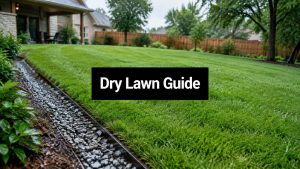
French drains, surface grading, catch basins, and drainage tile move water away from foundations and usable spaces. Drainage isn't decorative. It's the protection layer beneath the surface.
Retaining walls
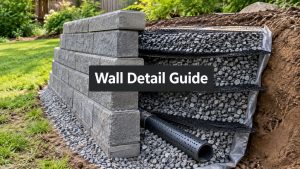
A retaining wall can stabilize a slope, create level planting space, and become a visual feature. The wall still needs proper footing, drainage behind the structure, and a design suited to the soil and grade.
Landscape lighting
Lighting extends outdoor use after sunset. Low-voltage fixtures can define steps, highlight trees, improve path visibility, and make patios feel intentional rather than unfinished.
Recurring maintenance
Maintenance includes seasonal cleanups, pruning, mulching, irrigation checks, turf care, and monitoring for drainage or settlement issues. The global landscaping services market was estimated at $330.58 billion in 2024 and is projected to reach $484.79 billion by 2030, at a 6.7% CAGR, according to Fact.MR's landscaping services market report. That growth reflects the importance of ongoing care, not just installation.

Bundling these services eliminates the finger-pointing that happens when several contractors work from disconnected plans. The team that designs the drainage should understand the planting. The team that installs the turf should understand the base preparation. The maintenance crew should know what was built and why.
How a Full Service Landscaping Project Actually Runs
A reliable Austin project follows a visible sequence. You shouldn't have to guess what happens next or discover major work only after equipment arrives.
1. Discovery call and site walk
The first visit should examine sun exposure, soil composition, drainage patterns, existing vegetation, access, slopes, and your tolerance for maintenance. Tell the project lead how you use the yard. A dog run, entertaining patio, putting green, and low-water front bed each require different decisions.
2. Design and proposal
The proposal should include a scaled plan, material selections, relevant renderings, and a line-itemized quote. Your professional landscape design options should make it clear which work is essential, which work is optional, and what future phases could be added later.
3. Approvals and scheduling
Before digging, the contractor should identify permitting requirements, HOA review, utility locates, access restrictions, and material lead times. This stage is where vague promises create avoidable delays. Ask who submits documents and who communicates with the HOA.
4. Coordinated installation
The build sequence matters. Demolition and site preparation come before drainage and base work. Hardscape, irrigation, planting, lighting, and turf should follow an order that prevents crews from damaging completed areas or forcing expensive rework.
5. Walkthrough and maintenance onboarding
At handoff, walk the property with the project lead. Confirm drainage flow, lighting operation, irrigation zones, turf seams, plant care, and hardscape details. You should receive a care guide and a clear explanation of any recurring service plan.

An integrated team reduces handoff problems because the same organization carries site knowledge from discovery to maintenance. That doesn't remove every surprise, especially on older properties, but it gives you a clear person to call when conditions change.
What Drives the Cost of a Full Service Landscaping Project
Austin landscaping quotes vary because the work beneath the visible surface varies. A flat, accessible backyard with good soil is a different project from a sloped lot with black clay, caliche, narrow access, and drainage conflicts.
The main cost drivers include:
- Lot size and access: Large or restricted sites require more labor, equipment movement, and staging.
- Grading and slope: Moving water correctly can require excavation, base material, catch basins, or drainage tile.
- Soil and rock: Central Texas clay and limestone can slow excavation and complicate planting.
- Material grade: Natural limestone, premium pavers, commercial edging, and upgraded LED fixtures cost more than entry-level alternatives.
- Turf specification: Pet-grade or golf-rated artificial turf requires different fibers, infill, seams, and base preparation than a budget roll.
- Maintenance intensity: A heavily planted yard needs more pruning, irrigation monitoring, and seasonal care than a simple turf-and-gravel layout.
A sample project budget should be a planning tool, not a promise. Exact pricing requires a site visit and written scope.
Sample cost breakdown for a mid-size Austin project
| Line Item | Typical Range | Notes |
|---|---|---|
| Demolition and site preparation | $3,000 to $7,000 | Removal, excavation, haul-off, and base preparation |
| Hardscape | $8,000 to $16,000 | Patio, walkways, steps, or seat walls |
| Irrigation and drainage | $4,000 to $9,000 | Zoning, grading, French drains, or catch basins |
| Turf | $6,000 to $12,000 | Area, fiber quality, infill, seams, and installation |
| Lighting | $1,500 to $4,000 | Fixture count, wiring, transformers, and controls |
| Planting and mulch | $2,500 to $6,000 | Plant palette, soil amendments, and bed finishing |
| Maintenance setup | Varies by scope | Recurring visits, pruning, irrigation checks, and cleanups |
The full project may land around $25,000 to $45,000, depending on the selected scope and site conditions. Use site preparation cost guidance to understand why demolition, excavation, and access deserve their own line items.
Quotes can vary by 30% to 50% between contractors when materials, drainage scope, labor, and preparation differ. A low bid often excludes drainage, uses thin turf, reduces base depth, or leaves maintenance undefined. Get three itemized bids, compare them line by line, and reserve a 10% to 15% contingency for rock discoveries or root conflicts after demolition.
Benefits That Matter for Austin Homeowners and Property Managers
Austin yards punish vague planning. The right full service landscaping team connects design, installation, irrigation, and lifetime maintenance, so one accountable group owns the result instead of handing problems from one crew to another.
Less weekend maintenance
Synthetic turf, decomposed granite, and drip-irrigated native beds can reduce mowing and trimming. That suits homeowners and property managers who need usable outdoor space without spending every weekend correcting burned grass or cutting back overgrown beds.
The trade-off remains clear. Artificial turf can become hot in direct sun, and it still needs cleaning, brushing, infill management, and occasional repairs. Low-maintenance does not mean maintenance-free. Specify who handles those tasks and how often before approving the installation.
Better water control
The U.S. Forest Service documented residential lawn evapotranspiration rates of 2.2 to 3.6 millimeters per day in hot, dry cities in its residential lawn water-use report. Austin's heat makes irrigation design, soil preparation, drainage, and plant selection direct cost and performance concerns.
A full service plan can combine flexible irrigation zones, drip lines, suitable soil preparation, drainage improvements, and lower-water planting. Maintenance services accounted for 41.08% of the landscaping and gardening market in 2025, while residential customers represented 52.68% of end-user demand, according to Fact.MR's market analysis. The point for Austin owners is practical: installation does not end the work. The same team should maintain the system and adjust it as conditions change.
Safer spaces for pets
Pet-friendly turf requires decisions about infill, drainage, cleaning, edging, and escape points. A dog run should send wash water away from doors and patios, not create a muddy channel beside them. Secure containment and durable transitions matter as much as the surface itself.
More usable recreation space
A putting green or chipping area can turn an underused lawn section into a dedicated practice space. Golf turf needs different base preparation, pile characteristics, contours, and maintenance expectations than ordinary artificial grass. Price and schedule should reflect that separate specification.

Evaluate water-efficient irrigation with a water budget, not guesswork. The EPA WaterSense Water Budget Tool provides a framework for comparing designed outdoor spaces with typical new-construction irrigation. Build for Austin's heat and sudden storms, then maintain the design, rather than replacing stressed turf every season.
How to Choose the Right Full Service Landscaping Contractor
Trust is not a soft consideration. It determines whether your project stays coordinated when the crew finds rock, roots, poor soil, or an undocumented irrigation line.
Start with three candidates. Walk each contractor through the same property and ask each one to price the same core scope. Then compare the explanations, not just the totals.
Green flags
- One accountable project lead: A named person owns communication, scheduling, and follow-up.
- In-house crews: The company can explain who performs design, installation, drainage, turf, and maintenance.
- Austin portfolio: You can review local work and, where appropriate, drive by completed projects.
- Itemized proposal: Materials, quantities, labor, preparation, drainage, and exclusions are visible.
- Drainage experience: The contractor can show how previous projects handled runoff, grading, and foundation protection.
- Verified credentials: Insurance and workers' compensation documentation are available before work begins.
- Long-term references: References from projects completed at least two years ago reveal whether materials and drainage held up.
Red flags
Door-knock estimates, one-line lump-sum bids, pressure to sign the same day, and proposals that never mention drainage should make you pause. Crews that disappear between phases create the same coordination problem you were trying to avoid.
A trustworthy company should also explain its maintenance handoff. If installation is performed by one subcontractor and maintenance is sent to an unrelated provider, ask who answers for failed turf, clogged drainage, or damaged lighting.
A company's digital presentation can help you judge whether it communicates clearly, but it shouldn't replace proof of insurance, scope, and references. This Digital Skyrocket contract marketing resource offers useful context on how contractors present their services online.
Reviews are another screening tool. A 2026 BrightLocal consumer survey reported that 97% of consumers read online reviews before choosing a local business, 68% require at least a 4-star rating, and 47% won't use a business with fewer than 20 reviews, according to reported BrightLocal consumer review data. Consumers also expect responsiveness. 89% expect owners to respond to reviews, and 19% expect a same-day response, as summarized in contractor trust research citing BrightLocal.
Austin-Specific Considerations for Year-Round Results
Austin yards fail for local reasons. Limestone can complicate drainage depth and excavation. Clay-heavy soil can hold water near foundations while drying into hard, cracked surfaces. Heat in Zone 8b narrows the margin for turf and plant selection, especially in reflected heat beside masonry.
Summer drought and Hill Country storms demand opposite responses. Irrigation must deliver enough water to establish plants without wasting it, while grading and drainage must move intense runoff away from structures. Flexible irrigation zoning is essential because a shaded bed, exposed turf area, and native planting zone shouldn't receive the same schedule.
Plan around approvals and labor
City watering rules, irrigation requirements, HOA review, utility locates, and material availability can all affect the installation window. A contractor who promises a start date without checking those constraints is selling optimism, not a schedule.
Labor capacity also affects quality and pricing. One 2026 industry analysis reported that U.S. full-time wage-and-salary employment in landscaping, lawn service, and groundskeeping fell to about 86,000 workers in early 2025, down nearly 30% from roughly 121,000 in 2020, according to The Farnsworth Group's landscaping market analysis. Another market report identifies skilled labor shortages as a major constraint across North America and Europe. Ask whether the quoted team is available for installation and ongoing maintenance.
Book a consultation in fall or early spring when possible. Request a site evaluation that identifies caliche rock, drainage paths, access limits, and existing irrigation conditions. For lower-water planning, review drought-tolerant landscape design services and confirm who handles Austin permitting and HOA communication.
Frequently Asked Questions About Full Service Landscaping
How long does a project take?
The timeline depends on design revisions, HOA approval, permitting, material availability, demolition, drainage, and site access. A simple turf replacement moves differently from a project combining retaining walls, drainage tile, lighting, planting, and a patio. Ask for a phase-by-phase schedule rather than a single completion date.
How long does artificial turf last in Austin?
Service life depends on UV exposure, fiber quality, traffic, pets, infill, drainage, and installation preparation. Hill Country sunlight and heavy use can expose weak materials quickly. Request the manufacturer's warranty, fiber specification, infill details, seam method, and maintenance requirements in writing.
Can existing irrigation be reused?
Sometimes. The crew should test pressure, identify damaged lines, inspect valve zones, and determine whether the layout fits the new planting and turf plan. Reusing a poor system can cost more than replacing the sections that no longer match the design.
Are retaining walls permitted?
Requirements depend on wall height, location, engineering, drainage, and local regulations. Your contractor should identify whether permits, plans, inspections, HOA review, or utility coordination apply before excavation begins.
What does maintenance include?
A maintenance contract may include mowing or turf care, pruning, mulching, seasonal cleanup, irrigation checks, planting care, and drainage observation. Make sure the agreement states visit frequency, exclusions, storm response, and who handles repairs.
What happens after a major storm?
The contractor should inspect drainage inlets, outlets, catch basins, visible tile discharge, erosion, settled areas, and standing water. Drainage systems need observation after real weather, not just a hose test at handoff.
Can larger projects be phased or financed?
Phasing can work when the master plan identifies dependencies. Drainage, grading, and utility work often need to happen before decorative planting or lighting. Ask whether the company offers financing, what each phase includes, and whether later work will require removing completed features.
Do pet turf and golf greens use the same package?
No. Pet turf emphasizes cleaning, odor control, drainage, durability, and secure edges. Golf installations require specific contours, surface response, base preparation, and performance expectations. Request a design and materials list customized to the use.
The right next step is a property-specific consultation. A site visit can identify soil conditions, drainage risks, existing irrigation, HOA constraints, and a realistic phased budget before you commit.
Modern Yard provides residential and commercial turf installation, drainage tile, retaining walls, putting greens, pet-friendly dog runs, design, and ongoing maintenance across the Austin area. Visit Modern Yard Landscapes to schedule a consultation and get a coordinated plan for your yard from site preparation through long-term care.