
You're not dealing with a mystery stain when the same corner of the yard smells again after you've already hosed it down. You're dealing with a spot where urine keeps loading the soil, the turf, or the turf base with the same chemistry over and over. In Austin yards, that usually shows up as one yellowing patch, one shaded strip, or one low area that seems fine for a day and then stinks again after watering or rain.
I've seen homeowners scrub, spray, and sprinkle their way through this problem for weeks. The smell comes back because the surface got cleaned, but the odor source never left the soil structure below it. If you want the odor gone for real, you have to treat the spot as a drainage and soil chemistry issue, not just a cleanup job. One useful place to start is this guide on urine patches on lawn, especially if you're trying to match the odor to visible turf damage.
Why Your Yard Still Smells After Cleaning
A common call sounds like this. The homeowner has already hosed the yard, sprayed something that promised to neutralize odors, and maybe even tried baking soda. The grass still smells, usually in the same few places, and the frustration is obvious because the yard looks cleaner but doesn't smell cleaner.
The smell is coming from below the surface
Dog urine isn't just wetness on grass. The urea in urine breaks down into ammonia, which is the sharp odor people notice in lawns. That is why a patch can look dry and still release odor after the next irrigation cycle.
Practical rule: if the same square keeps smelling, the source is still in the soil, not just on the blades.
Repeated use makes the problem worse because the urine doesn't spread evenly across the yard. It lands in a concentrated area, so the soil gets a strong pulse of nutrients and salts instead of a light, temporary rinse. A useful place to start is this guide on urine patches on lawn, especially if you're trying to match the odor to visible turf damage.
Surface cleaning often misses what's really going on
A lot of the quick-fix advice focuses on masking or surface neutralizing. That can help for a day, but it won't solve compacted soil, poor drainage, or a low spot where urine keeps pooling near the root zone. In real yards, those conditions let odor compounds stay close to the surface long enough for people to notice them again and again.
The problem feels stubborn because it is stubborn. Once a zone has been used repeatedly, it behaves less like a fresh spill and more like a loaded patch of soil that keeps re-releasing odor when moisture returns.
The Science Behind Dog Urine Odor

Dog urine odor starts with chemistry, then gets amplified by the yard itself. Urine puts a concentrated nitrogen load into a small area, and a 2020 paper in Frontiers in Ecology and Evolution estimated that dogs in Helsinki could contribute as much as 15 kg of nitrogen per hectare per year from urine, using an average dog-ownership rate of about 22% in Finland (Frontiers in Ecology and Evolution). The same paper compares that load to atmospheric nitrogen deposition, which it cites at 2.1 to 25 kg of total dissolved inorganic nitrogen per hectare per year (Frontiers in Ecology and Evolution).
Why ammonia keeps showing up
As urine breaks down, microbes convert urea into ammonia. That is the sharp smell most homeowners notice first, especially where urine stays near the surface or gets held in turf layers. Soil and turf conditions decide how long that odor hangs around. If the ground drains poorly, the smell lingers closer to the root zone, and if the same area gets hit again, the odor source builds instead of clearing.
Porous soils like sand can move urine more readily, while compacted or finer soils tend to hold odor near the surface. Turf systems can trap the same compounds in infill, backing, seams, and base layers, where they keep breaking down into ammonia over time. That is why the same spot can smell worse after rain or irrigation, because moisture reactivates what was already there.
Why repeated use creates an odor reservoir
A single accident is easier to manage. Repeated urination on the same square meter creates a reservoir in the soil, especially when drainage is poor or the ground is already compacted. Heat makes that worse because bacterial activity speeds up and the odor returns more clearly after watering.
Water changes the behavior of the odor source. It does not always remove it.
Surface products cannot fix a yard that keeps trapping urine. If the soil stays tight, if runoff sends urine to the same low point, or if the turf profile holds moisture too long, the smell comes back. The chemistry has to be broken down, and the site has to drain well enough that it does not rebuild the odor every time conditions turn wet.
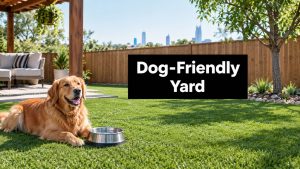
For yards where the dog keeps choosing the same spots, a simple plan helps. Start by matching those areas to your dog's habits with this guide to finding the best dog potty areas, then look at whether the soil and drainage can keep up.
Identifying Odor Hotspots in Your Yard

Start where your dog already spends time. The best clues are usually boring ones, a path along the fence, the shady side of the house, the edge of a patio, or the same low spot that stays damp after watering. If you're mapping spots for the first time, use this guide to finding the best dog potty areas to compare your dog's habits with the layout of the yard.
Read the yard like a technician
Look for yellowing grass, thin turf, or a patch that feels firmer underfoot than the surrounding area. Compaction matters because it keeps urine from moving downward the way it should. If the soil feels hard, the odor often lingers longer near the surface.
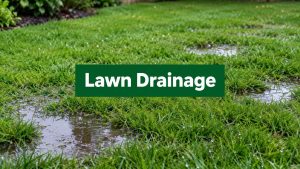
Check low areas after rain or irrigation. If water sits there or runs there repeatedly, urine does the same thing, which gives odor compounds more time to concentrate. Shady spots also deserve attention because they dry slower and often stay cool and damp long enough to keep smell alive.
A simple grid walk works better than guessing. Walk the yard in a steady pattern, sniff at the same height each time, and note where the smell strengthens. It sounds primitive, but in practice it's faster than treating the entire lawn blindly.
Match the symptoms to the substrate
Use your shoes and a screwdriver, not wishful thinking. If the screwdriver resists more than expected, you likely have compaction. If the spot is soft on top but smells bad underneath, you may be dealing with a layer issue, not just grass burn.
Watch your dog for repeat behavior too. Dogs often return to the same border, corner, or surface texture. Those repeated hits are the places where treatment pays off, while the rest of the yard usually doesn't need aggressive intervention.
If one zone smells stronger after watering, that's a drainage clue, not a cleaning failure.
The goal isn't to chase every patch of grass. It's to identify the small number of places where odor keeps rebuilding, so you can stop wasting time and water on healthy areas that don't need it.
Effective Cleaning Protocols That Actually Work
A good cleanup starts with removing what's visible, then moving to what's embedded. For backyard odor control, one source recommends applying an enzymatic cleaner across the affected surface, leaving it for a minimum of 10 minutes without rinsing, and repeating the treatment within 24 to 48 hours on heavily used areas (Nature's Freedom).
Natural grass and soil
Clear the area first. Remove solid waste, rinse loose debris, and get the surface wet enough that the treatment can reach the soil instead of sitting on top of dry blades. That sequence matters because cleaner only helps if it gets to the source.
Then apply an enzyme product and give it time. The dwell period is what lets the biology do its work, and rushing to rinse defeats the purpose. If the area is heavily used, a second pass later can make a real difference because old urine crystals don't always break down in one treatment.
Artificial turf needs a different approach
Synthetic grass traps odor in places natural grass doesn't, especially in infill and along backing seams. A turf-cleaning guide recommends removing solid waste first, rinsing with water, then using a 1:1 vinegar-and-water solution for 5 to 10 minutes before rinsing again; if odor remains, it recommends baking soda for 20 minutes before vacuuming or sweeping (The Motz Group). For a more detailed turf-specific process, see how to clean artificial turf effectively.
That method works as a practical cleanup sequence, but it's not the same as solving a drainage problem under the turf. If urine is reaching the base and staying there, the surface can be clean and the odor can still return.
What works, and what usually doesn't
- Enzyme cleaners: Best when they're given dwell time and used on the actual odor zone.
- Water dilution: Useful immediately, because it reduces concentration before the soil locks it in.
- Vinegar and baking soda: Helpful on some surface odor, especially on turf, but they're not a cure for bad drainage.
- Fragrance sprays: They may cover smell briefly, but they don't remove the source.
The right product matters less than the right sequence.
If the same zone keeps reeking, don't keep adding the same surface-only fix. Treat the source, give it time, and then judge the result after the area dries, not while it's still wet with cleaner.
Fixing the Root Cause Drainage and Soil Structure
Recurring odor usually points to a problem below the surface. Compacted soil, poor grading, and slow drainage give urine a place to sit, soak in, and release smell again after rain or irrigation. If the same yard keeps building the same odor pocket, the issue is no longer just cleaning, it is how the site moves water.
Why drainage changes the outcome
Good drainage pulls moisture down and away before odor compounds stay concentrated near the surface. Poor drainage does the opposite. It holds urine, salts, and breakdown products in the root zone where people and pets keep smelling them.
That is why a quick hose-down often disappoints in shaded or compacted Austin yards. Water does not always move through the soil profile the way it should, so the smell can hang around long after the surface looks fine. The top layer may look clean while the chemistry of the problem stays active below it.
What actually fixes recurring spots
Soil aeration can help compacted areas open up again. Grading corrections matter when a low point keeps collecting water. In some yards, the fix is a drainage tile or a more complete rework of the wet zone, especially when runoff keeps sending the same area back into use. If the layout around the home is part of the problem, how to fix yard drainage is the kind of work that has to happen before odor control will hold.
If the plumbing or runoff pattern around the yard is part of the issue, it helps to bring in a specialist who works on water movement, not just turf appearance. For example, piper plumbing drain services can be a useful reference point when a yard problem overlaps with a bigger drainage concern near the home.
Rule of thumb: if the spot smells worse after rain, the ground is telling you it needs drainage help.
When soil replacement makes sense
Sometimes the base material is the problem and the patch needs to be rebuilt. That is especially true in high-use pet zones where the same area gets hit day after day. Changing the surface without changing the base just resets the clock.
A better long-term setup often includes a defined potty zone with non-plant material such as mulch or gravel, which an extension-style recommendation identifies as the most reliable way to prevent recurring odor in soil (Ask Extension). The same guidance says water is the only thing that can reverse the effects of dog urine in soil, and heavily watering damaged spots for several days can help leach out salts before reseeding or resodding.
When to Consider Pet-Friendly Artificial Turf
Natural grass makes sense until the same small section keeps failing. At that point, pet-friendly artificial turf can be the cleaner, more predictable option, especially in dog runs or heavily used side yards where the soil never gets a chance to recover. The key is choosing a system built for pets, not just a turf product marketed with pet photos on the box.
What separates good turf from odor-prone turf
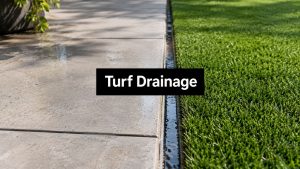
Artificial turf odor risk depends on the installation, not just the surface material. Drainage through the backing, the design of the sub-base, and the use of antimicrobial infill all affect whether urine moves through the system or gets trapped inside it. That nuance matters because some synthetic lawns still smell bad even though they're supposed to be easier to maintain.
A turf system that drains well and dries quickly is far easier to keep fresh. One that holds moisture in the infill or base can become an odor trap, especially in warm weather. That's why installation details matter as much as product selection.
Compare repair versus replacement
If the problem is isolated, repair is usually the cheaper and simpler route. If the same strip keeps smelling because of shade, compaction, or poor grading, replacement in that zone may be the smarter long-term choice. In practice, homeowners often save money by fixing one problem area properly instead of repeatedly treating the same dead patch.
For budgeting, design choices, and layout decisions, tools like Exayard AI-powered landscape estimating can help organize options before any work starts. That kind of planning is useful when you're comparing turf, drainage work, and partial lawn repair side by side.
What to ask before you install turf
- Drainage details: Ask how fast the system moves liquid through the backing and sub-base.
- Infill choice: Confirm whether the turf uses pet-friendly or antimicrobial infill.
- Site prep: Make sure the base is built to prevent trapped moisture.
- Potty-zone layout: Ask whether the design includes a defined dog area away from odor-sensitive spots.
If you're deciding between another round of spot treatment and a more durable yard solution, don't guess. A good installer should be able to show you how drainage, grading, and substrate choice will keep the same odor from coming back.
Modern Yard Landscapes helps Austin homeowners solve the yard problems that keep coming back, especially drainage issues, pet zones, and turf installs that need to work in real heat and real use. If you're done masking dog urine odor and want a yard that drains correctly and stays usable, visit Modern Yard Landscapes to talk through the right fix for your space.