
You're probably looking at a yard that almost works.
The planting beds may be solid. The lawn may be healthy. The stone, turf, mulch, and gravel may all be good choices. But the borders are failing, and that failure makes the whole project look unfinished. In Austin, I see it constantly. Plastic edging pops up after heat and irrigation cycles. Wood starts looking tired fast. Concrete cracks, shifts, or feels too heavy for the rest of the design.
That's the point where most homeowners make the same mistake. They look for another border product.
They shouldn't. They should solve the problem properly with garden steel edging.
For a high-end property in Central Texas, steel isn't a cosmetic upgrade. It's the line that holds the design together. It gives beds shape, keeps mulch and gravel where they belong, protects clean transitions around turf and hardscape, and delivers the sharp architectural finish cheaper materials never manage for long. If you care about curb appeal, low maintenance, and a yard that still looks intentional years from now, this is the border system worth paying for.
Your Final Upgrade from Failing Landscape Borders
A common Austin scenario goes like this. A homeowner invests in fresh sod, new plantings, decomposed granite, maybe a retaining feature or drainage correction. The yard looks strong for a season. Then summer heat bakes the edging, a cold snap hits, irrigation softens the soil, and the borders start to wander.
The mulch creeps into the grass. The bed line loses definition. Mower tires catch the edge. What started as a crisp design turns into constant cleanup.
What failure looks like in real yards
I've seen every version of it:
- Plastic edging heaves up after expansion and soil movement, especially where sun exposure is intense.
- Timber borders break down visually long before the rest of the garden does.
- Concrete edges crack or separate and then become more of a repair issue than a design element.
- Thin bargain metal products bend when they weren't built for real soil pressure.
None of that is a small detail. Border failure changes how the whole outdoor space appears. It makes an expensive yard look patched together.
Most edging problems aren't really edging problems. They're material-selection problems.
That matters even more in Austin because the ground isn't forgiving. Our alkaline soils, dry stretches, bursts of heavy rain, and occasional freezes test every weak point in the grounds. If the bed edge can't hold a straight line and resist movement, the design starts to unravel from the perimeter inward.
Why steel changes the outcome
Professional-grade steel edging gives the outdoor space a permanent visual frame. It creates separation without bulk. It handles straight runs and smooth curves. It fits modern homes, transitional designs, native planting palettes, and turf-heavy layouts without looking cheap or temporary.
It also supports function. A border should do more than divide materials. It should help manage bed shape, contain loose finishes, and support the site work that keeps a yard stable. That's why steel edging often pairs naturally with proper landscape erosion control solutions in Austin, especially on lots where runoff and grade changes are already stressing the layout.
If your current borders are failing, don't replace them with another version of the same short-term idea. Upgrade the structure of the yard. That's what steel does.
Why Steel Edging Is the Professional Standard

Steel edging is the professional standard for the same reason a proper footing is standard under a quality wall. It creates stability first, appearance second. The clean look is a bonus. Its enduring benefit is that the border keeps doing its job when the seasons change and the yard gets used.
According to metal landscape edging market data, steel edging commands approximately 55% of the total global metal edging market value. That tells you something practical. Professionals and homeowners who want a durable result keep choosing steel over alternatives.
It holds the design in place
An outdoor space isn't just plants and surface materials. It's geometry.
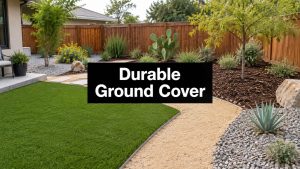
Every lawn edge, gravel path, mulch bed, and turf seam depends on a defined line. Once that line softens or shifts, the design loses discipline. Steel prevents the slow creep that cheaper borders allow. Soil stays where it belongs. Finish materials stay separated. The yard keeps its intended shape.
That's why I treat edging like infrastructure. If the border is weak, the project is weak.
It looks expensive because it is disciplined
There's a reason steel edging shows up in strong residential work and commercial settings alike. It disappears visually while making every line look sharper. Plastic calls attention to itself. Wood gets bulky. Decorative block turns a border into a feature when it should often stay quiet.
Steel does the opposite. It gives you restraint, which is what high-end outdoor design needs.
If you've ever looked into choosing the best siding for your home, you've seen the same principle in another part of the property. Premium exterior materials don't win because they're flashy. They win because they stay straight, age better, and hold the architecture together.
Practical rule: If the material looks like a shortcut on day one, it won't look better in year three.
It belongs in serious hardscape work
Steel edging also works because it integrates well with larger site elements. It can terminate cleanly into pavers, steps, gravel courts, and turf transitions without creating awkward thickness changes or clumsy joints. That's one reason it fits naturally into complete hardscape construction projects in Austin, where precision matters more than patchwork fixes.
For homeowners aiming at a polished, modern result, this isn't a close call. Steel is the border material that matches the standard of the rest of the project.
Choosing the Right Steel for Your Austin Landscape

Not all steel edging belongs in every Austin yard. In these instances, generic advice falls apart.
People hear “steel” and assume any version will perform the same. It won't. Austin's alkaline soils, long hot stretches, irrigation patterns, and occasional freeze-thaw cycles make material selection more specific than most guides admit. According to this guide on steel edging selection and climate, galvanized steel lasts 20–30 years in high-moisture alkaline environments, while Corten excels primarily in dry, wet-dry inland climates. That distinction matters if you want the edging to age well instead of corroding early.
The three options worth considering
Corten steel is the one people recognize from its rusted patina. It can look excellent in native, organic, and warm contemporary settings. When the site conditions support it, the finish adds character and depth. But Corten is not automatically the right answer just because it looks expensive in photos.
Galvanized steel is the safer workhorse for many Austin properties. The zinc coating gives it stronger corrosion resistance in the soil and moisture conditions that show up around irrigated beds, downspouts, shaded zones, and tighter urban lots.
Stainless steel is the premium modern option. It's crisp, polished, and highly resistant to corrosion. It's usually the right call when the design leans clean and architectural and the client wants a brighter, refined finish.
Steel Edging Options for Austin Climates
| Edging Type | Best For | Appearance | Austin Longevity |
|---|---|---|---|
| Corten Steel | Dry sites, naturalistic landscapes, earthy palettes | Rusted patina, warm and weathered | Best in dry, wet-dry inland conditions |
| Galvanized Steel | Irrigated beds, alkaline soils, broad residential use | Silver-gray, understated, clean | 20–30 years in high-moisture alkaline environments with the right specification and installation |
| Stainless Steel | Premium modern projects, bright architectural detailing | Clean, polished, contemporary | Long-term premium corrosion resistance |
What I recommend in Austin
For most high-end residential projects here, galvanized steel is the most dependable choice. It gives you a clean appearance and strong long-term performance under local conditions that aren't ideal for every weathering steel product.
Corten still has a place. I like it on sites with a drier exposure pattern and a design language that benefits from the patina. But I don't recommend it blindly, especially when irrigation, runoff, or moisture retention around beds will work against the finish.
Stainless belongs in a narrower lane. It's excellent, but you choose it because the design justifies it.
- Choose Corten when the visual goal is warm, weathered, and natural, and the site stays relatively dry.
- Choose galvanized when you want the broadest margin of safety for Austin soils and moisture swings.
- Choose stainless when the project is distinctly modern and the finish itself is part of the aesthetic statement.
Much of what applies to metal durability in edging also appears in other outdoor categories. If you want a broader example of how metal performs in exterior design, FenceScape's piece on Ottawa-Gatineau metal fence solutions is useful for seeing how finish, exposure, and application all affect long-term results.
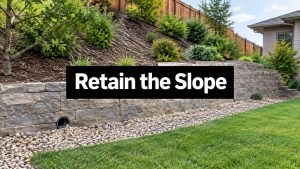
One more point. Edging choice doesn't happen in isolation. On sloped lots, tiered planting areas, and grade transitions, the steel selection should align with nearby retaining materials and drainage strategy. That's especially true if the edging ties into a larger layout using the best materials for retaining walls, where compatibility matters visually and structurally.
Understanding the True Cost and Value of Steel Edging
If you only compare upfront price tags, steel edging can look expensive. That's the wrong comparison.
The question is simple. Do you want to buy a border once, or keep re-buying a border that fails? According to installed cost and lifespan data for metal edging, metal edging costs $34–$85 per linear foot installed and lasts 20–50+ years, while plastic edging costs $16–$40 per linear foot but typically needs replacement every 3–5 years. Over a longer ownership window, steel becomes the smarter financial choice.
Why the installed price varies
Not every steel edging job costs the same, and it shouldn't. Price moves based on site conditions and project requirements, including:
- Layout complexity. Long straight runs are simpler than tight radiuses, multiple bed islands, and intricate transitions.
- Material choice. Galvanized, Corten, and stainless don't land at the same price point.
- Access and prep. Narrow side yards, tree roots, existing hardscape, and grade changes all affect labor.
- Integration work. Tying edging into turf, gravel, pavers, or drainage details takes more precision than a simple border reset.
That's normal. Good estimates account for the actual property, not just a rough linear footage number.
Cheap edging gets expensive in a hurry
Plastic often wins the first conversation because the initial number is lower. Then the edge warps, loosens, or breaks. The lawn creeps into the bed. The mulch spills. Somebody trims around it awkwardly for the next year. Then it gets replaced.
That cycle costs money, but it also costs visual quality. You keep paying to maintain a result you never really liked.
Buy the border for the life of the landscape, not the life of the receipt.
The value homeowners actually feel
Steel earns its keep in three ways:
- It protects the investment around it. Beds, turf, gravel, and clean mowing lines stay sharper.
- It cuts maintenance frustration. You spend less time correcting migration and edge failure.
- It supports resale appeal. A yard with disciplined lines reads as a professionally designed property.
High-end landscaping should get better with age, not look tired because the perimeter gave out. If you're serious about long-term value, steel is the cost-conscious decision disguised as the premium one.
Professional Installation for Flawless Results

Good steel edging can still fail if it's installed poorly. As a result, a lot of DIY projects and bargain contractor jobs go sideways. The line looks fine for a few weeks, then the waves show up, corners drift, stakes loosen, or the reveal height becomes inconsistent.
Installation quality is not a finishing detail. It determines whether the edging performs like a structural element or behaves like decoration.
What the material needs to do its job
According to commercial installation guidance for steel edging, commercial-grade steel edging requires a minimum yield strength of 33,000 psi to resist buckling, and pre-formed 90° corners can reduce labor by 30% while maintaining a straight-line tolerance of ±0.25 inches over 50 feet when anchored with 8-inch galvanized stakes at 4-foot intervals. That's a reminder that proper edging work isn't casual. The steel, the anchor schedule, and the corner treatment all matter.
What a professional install actually involves
A proper installation usually follows a disciplined sequence:
Layout and grade reading
The crew establishes the exact line, checks elevation, and makes sure the border works with drainage instead of trapping water where it shouldn't sit.Precise trenching
The trench depth has to match the product, reveal height, and surrounding finish materials. Too shallow and the edging moves. Too deep and you lose the crisp line you paid for.Bending and joining without distortion
Curves should read as smooth arcs, not segmented bends. Corners should be formed or handled in a way that avoids ugly stress points.Anchoring for long-term stability
Stakes and connections need to hold the line under soil pressure, irrigation, mowing, and seasonal movement.Backfill and finish work
At this stage, the difference between neat and excellent becomes obvious. The final grade, compaction, and edge cleanup determine how sharp the project looks.
A flawless edge doesn't happen by accident. Somebody measured it, formed it correctly, and refused to leave a bad line in the ground.
Why integration matters
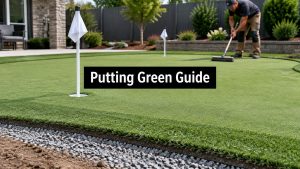
Steel edging often touches other systems. It may terminate against pavers, contain gravel, frame planting beds, or define synthetic turf. If one trade installs the edging without understanding the rest of the site, you end up with drainage conflicts, awkward transitions, or reveal heights that fight the adjacent material.
That's why complete exterior work benefits from a contractor who understands the whole assembly, not just the border. On projects involving paving, grade changes, or multiple outdoor materials, that same level of coordination matters across the broader hardscape contractor process in Austin.
Should You DIY or Hire a Professional Landscaper
DIY steel edging can work on a very simple border if your standards are modest and your site is forgiving. Most high-end Austin outdoor projects aren't either of those things.
The problem with DIY isn't effort. It's precision. Homeowners usually underestimate how difficult it is to hold a consistent reveal, create elegant curves, set a true grade across changing terrain, and anchor heavier-gauge steel so it stays put. If the result is wavy, uneven, or poorly terminated, the whole point of choosing steel gets lost.
Where DIY usually breaks down

Most homeowners can handle the idea of edging. Fewer can deliver the finish.
Here's where DIY jobs commonly miss:
- Curves get segmented instead of flowing cleanly.
- Top lines wander because the installer follows existing grade inconsistently.
- Transitions fail where edging meets patios, walkways, turf, or drive edges.
- Material gets chosen by appearance first instead of by site conditions.
Those mistakes are expensive because steel is supposed to look intentional. If the line isn't exact, the border becomes the thing your eye notices for the wrong reason.
What a professional really provides
Hiring a professional isn't just about labor. It's about judgment.
A strong outdoor designer or installer reads the site, picks the right material for the climate, forms the line to fit the layout, and makes sure the border supports the rest of the yard. That advisory role matters. In fact, this discussion on trusted-advisor selling in landscaping notes that professionals who educate clients on options before discussing price significantly increase conversion rates, because clients can see the path to the outdoor space they truly want before they're asked to pay for it.
That approach is exactly right here. You should understand the options first. Then you decide whether the outcome you want is worth professional execution.
If you want the yard to look custom, the edge can't look improvised.
My recommendation
For a basic utility border behind a shed, DIY is fine.
For a visible front yard, a modern backyard, a turf installation, a pool surround, or any property where appearance matters, hire a professional. You're not paying to get steel in the ground. You're paying for a line that stays true, a material that fits Austin conditions, and a finished project that makes the entire area look more expensive.
If you're already considering new edging, don't wait until the existing border causes more cleanup, migration, and rework. Get expert eyes on the site, ask direct questions, and make the decision once.
If you want a clean, durable border that fits Austin conditions, talk with Modern Yard Landscapes. They handle outdoor design, turf, drainage, retaining work, and professional-grade steel edging with the level of precision high-end properties require. Schedule an appointment, walk the site with a specialist, and get clear recommendations before you spend money on the wrong material or another short-term fix.