
Austin yards rarely fail for just one reason. A homeowner may be dealing with turf that browns in heat, a dog run that turns muddy after a storm, standing water near the foundation, or a slope that makes mowing unsafe. A property manager may need greenery that survives heavy foot traffic without demanding constant irrigation. The right answer depends on the yard in front of you, not on a stock plant list or a one-size-fits-all turf recommendation.
The best Austin TX landscaping ideas start with a site assessment. That means reviewing sun exposure, grading, soil, drainage routes, access, irrigation, pets, traffic, and the way your household or business uses the property. These nine decisions will help you move from inspiration to a realistic plan, with clear trade-offs around water, heat, maintenance, appearance, durability, and budget. They'll also show when professional preparation, including drainage tile, retaining walls, or careful grading, matters more than the surface material you choose. Modern Yard Landscapes can help residential and commercial customers evaluate those details before installation.
1. Before-and-After Portfolio Documentation
A portfolio of outdoor design work should show more than polished final photos. Look for documentation that reveals the original grading, worn turf, drainage problems, access limitations, and installation details. That record helps you judge whether a contractor can solve real Austin site conditions instead of just placing attractive materials in an easy yard.
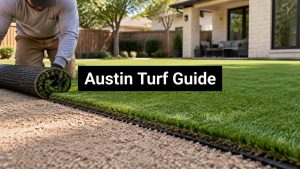
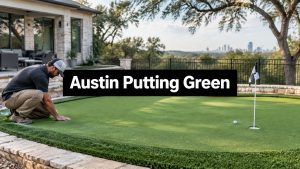
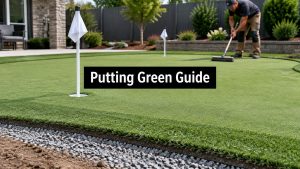
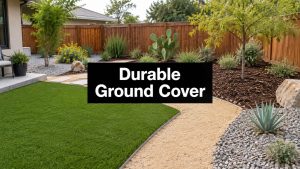
For example, a residential transformation might show native-style artificial turf framed by drought-tolerant planting and limestone. A commercial project should reveal how the finished surface meets sidewalks, parking areas, entrances, and other high-traffic zones. Pet-friendly work should show custom dog runs, clean transitions, drainage details, and edge restraint. A backyard putting green portfolio should make the contours and surrounding hardscape easy to evaluate.
Portfolio standard: Compare the starting conditions, preparation work, finished surface, and edge details. The most useful photos explain the work, not just the color of the grass.
What to inspect in project photos
- Consistent photography: Similar lighting and viewing angles make the transformation easier to judge.
- Close-up workmanship: Check seams, borders, steel edging, transitions, infill, and the finish around trees or structures.
- Project categories: Residential, commercial, pet, and specialty installations should be organized separately because each has different performance requirements.
- Specific context: Neighborhood, yard use, drainage challenges, and material choices should accompany the images.
A portfolio also becomes more trustworthy when client feedback appears beside the project rather than as an isolated collection of generic praise. Ask what maintenance the owner performs, how the yard handles pets or traffic, and what preparation was required. For a closer look at residential examples, review the residential turf installation gallery. A consultation should connect those examples to your property, not pressure you to copy someone else's yard.

2. Full Satisfaction Guarantee and Warranty Transparency
A warranty matters only when you can understand it before signing. An Austin proposal should state what the company guarantees, which materials and installation work are covered, how long coverage applies, what maintenance you must perform, and how to submit a claim.
Strong sun, foot traffic, pets, infill movement, and drainage pressure can expose weak terms quickly. Ask whether the written warranty addresses UV-related fading, seam performance, edging, installation workmanship, and drainage corrections. For a pet installation, require clear guidance on odor control, cleaning, antimicrobial options, and surface condition. For commercial use, confirm who responds if water collects or a transition fails after installation.
Questions to ask before approval
- Coverage: Which materials and installation tasks are included?
- Exclusions: What conditions, misuse, alterations, or maintenance failures can void coverage?
- Claims process: Can you report an issue by phone or online, and who evaluates it?
- Follow-up: Does the company check in after completion and explain care during the coverage period?
A satisfaction guarantee needs a defined remedy. The written terms should explain whether the installer will return, inspect, repair, or replace a defective component. Request that summary during the consultation, then compare it with the contract before approving the work.
Our company publishes its terms and conditions, so prospective customers can review the stated terms. Discuss your property directly as well, particularly when the project includes drainage tile, retaining walls, a putting green, commercial traffic, or a custom dog run. Warranty language should match the materials, expected use, and maintenance plan for your yard.

3. Licensed, Insured, and Certified Professional Status
Credentials deserve careful attention, but Austin customers should verify the right credential for the work being proposed. Texas doesn't require a statewide general landscaping license, while irrigation work is separately regulated. A contractor who installs, alters, or repairs irrigation systems needs a TCEQ license, and paid pesticide application requires authorization from the Texas Department of Agriculture, as explained in this overview of Texas landscaping and insurance requirements.
That distinction helps you ask better questions. A basic planting or turf project may involve different qualifications than irrigation alteration, pesticide application, drainage construction, or structural retaining-wall work. Insurance is equally important. Request current proof of coverage, ask what activities it applies to, and confirm that subcontractors are handled appropriately.
Match verification to the project
A homeowner in an HOA may need documentation before work begins. A commercial property manager may require proof of insurance during vendor approval. A pet owner should ask how the installer approaches safe edges, drainage, cleaning, and surface construction. Someone considering irrigation changes should verify the applicable TCEQ credentials rather than accepting a general claim that the company is “licensed.”
Look for clear business information on the proposal, contract, website, and consultation materials. The company should be able to explain who performs each part of the project and what protections apply if property damage or installation issues occur.
You can use Modern Yard Landscapes' information for turf contractors near you as a starting point, then ask direct verification questions before approving work. Trust grows when a contractor answers plainly, provides documentation, and separates confirmed credentials from services that don't require a particular state license.

4. Transparent, Itemized Cost Estimates and Factors-Based Pricing
Headline pricing tells you very little about an Austin outdoor project. Two yards with similar surface areas can require very different preparation because one has easy access and stable grading while the other needs excavation, drainage correction, retaining walls, difficult material delivery, or specialized pet and recreation features.
A useful estimate separates the work. It should identify material grade, turf quantity, labor, demolition or removal, base preparation, drainage, edging, infill, seams, access constraints, and specialty construction. A commercial project may justify a more durable turf specification for heavy use. A pet installation may require different drainage and infill choices. A putting green needs its own construction approach rather than a standard lawn treatment.
What a clear proposal should explain
- Site preparation: Existing turf removal, excavation, compaction, soil correction, grading, and haul-off.
- Materials: Turf type, fiber construction, backing, infill, edging, base aggregate, and any antimicrobial or cooling options.
- Special features: Dog runs, putting greens, drainage tile, retaining walls, pathways, planting beds, and lighting.
- Long-term factors: Warranty coverage, cleaning, grooming, infill refresh, irrigation changes, and expected maintenance.
Ask why each line item appears. If a contractor recommends drainage, request a site-specific explanation of where water travels and what the proposed system changes. If a higher material grade is suggested, ask what use condition it addresses instead of accepting a vague quality claim.
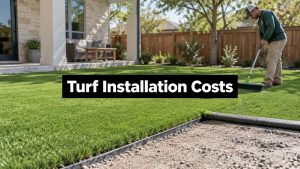
Modern Yard Landscapes provides an artificial turf cost guide that can help frame the conversation. Use it as a starting point, then request a measured proposal for your actual property. A transparent estimate doesn't promise the lowest price. It shows what you're buying and reduces the risk of surprise scope changes.

5. Local Austin Expertise and Climate-Specific Solutions
Austin yard design has to account for heat, cold snaps, uneven drainage, compacted soil, slopes, and neighborhood requirements. Conditions can change sharply between an exposed Hill Country slope, a shaded courtyard, a commercial frontage, and a pet-heavy backyard. Choose materials and plants for the actual site, not a generic Austin template.
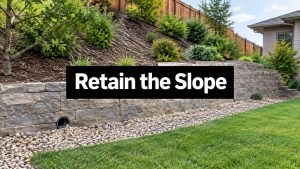
Begin with how the property handles sun and water. South Austin yards often need water-conscious planting that tolerates direct exposure and limited irrigation. Hill Country properties may require grading, drainage tile, erosion control, or retaining walls before planting or turf installation. North Austin putting greens need construction and material choices suited to heat and intended play. Downtown commercial sites need durable transitions and walking surfaces that withstand foot traffic without creating trip hazards.
Use this site review to set the design:
- Sun and heat: Place plants, specify turf, and plan shade around actual daily exposure.
- Water movement: Mark where runoff enters, crosses, collects, or approaches the foundation.
- Soil and grade: Check whether compacted soil, clay, caliche, or slopes require correction.
- Neighborhood requirements: Confirm HOA standards, property lines, access limits, and commercial rules.
- Use zones: Separate planting from pet areas, play space, dining, parking, and walkways.
Water use must shape the plan from the beginning. Austin Water recommends compost, mulch, drip or low-flow irrigation, and native or adapted plants with lower water needs. Its Water Conservation Plan also shows why watering restrictions belong in the design discussion, not as an afterthought.
Ask the contractor to explain seasonal care, irrigation adjustments, drainage performance, and surface maintenance before approving the work. Modern Yard Landscapes serves the greater Austin area with turf, planting, drainage tile, retaining walls, putting greens, and pet-friendly outdoor spaces planned around how each property functions. Schedule a consultation with a measured site review and a maintenance plan you can evaluate before installation.
6. Customer Testimonials and Case Studies from Verified Austin Clients
A useful testimonial gives you enough detail to judge whether the contractor can handle your property. “The yard looks great” says little about slopes, pet traffic, HOA requirements, drainage, commercial access, or Austin heat. Look for the problem, the work completed, and the result.
Match the example to your priorities:
- Family use: Mud control, safe play areas, and surfaces that remain practical through changing weather.
- Commercial property: Consistent appearance, durability, access coordination, and manageable upkeep.
- Pet areas: Clean, safe spaces with drainage that limits standing water and odor.
- Putting greens: Reliable ball response, accurate contours, and a layout that fits the rest of the yard.
A strong case study should identify the project type, general Austin-area setting, original problem, preparation, materials, installation, and owner experience. It should also explain communication, scheduling, cleanup, care instructions, and support after installation. Those details help you compare a decorative result with work that performs under real use.
Ask whether the review is verified and whether comparable completed projects are available to view. Current examples matter because a company's crew, materials, and process can change. Read responses to negative reviews as well. A direct response that explains what happened and how the issue was addressed provides useful evidence of accountability.
The company should be evaluated through this same standard. During your consultation with Modern Yard Landscapes, request local examples involving conditions similar to yours, such as heat exposure, pets, drainage, grading, or high foot traffic. Ask what made each project different and which maintenance obligations remained after installation.
The goal is not a perfect story. Choose a contractor whose documented process, communication, and finished work match your yard, budget, and expectations. Schedule a consultation to review comparable projects before approving a design.
7. Educational Content on Materials, Installation, and Maintenance
A sound turf decision depends on what happens beneath and around the visible surface. Before approving a design, ask about blade height, denier, backing, seam placement, infill, base depth, edging, drainage, heat exposure, cleaning, and recurring care.
The contractor should explain each choice in plain language and connect it to your property. Pet areas need odor control, drainage, and a cleaning routine. Putting greens require guidance on ball response and construction. A homeowner comparing artificial turf with natural grass should understand preparation, irrigation needs, replacement considerations, and ongoing maintenance for both options.
Use the consultation to test the plan:
- Material fit: Which turf construction suits Austin sun, foot traffic, pets, or recreation?
- Base preparation: What will be removed, compacted, or corrected beneath the surface?
- Water management: How will the area drain, and where will runoff go during heavy rain?
- Care requirements: How should you remove debris, rinse pet areas, manage infill, and handle high-use zones?
- Compatibility: Which plants, mulch, rock, edging, and hardscape materials will perform well beside the turf?
Planting and material choices can also affect pest activity near your home. Review how landscaping choices affect pests before placing beds or turf beside the structure. The guide supports broader planning, but a site assessment still needs to address grading, shade, heat, drainage, and access.
Maintenance should be written into the proposal, not left for the handoff. Ask who supplies care instructions, what routine service involves, and which repairs or adjustments fall outside the installation scope.
Choose a contractor that answers these questions before work begins. We can discuss turf materials, installation, maintenance, putting greens, pet-friendly systems, drainage tile, retaining walls, and planting compatibility as connected parts of one plan. Schedule a consultation with Modern Yard Landscapes to review the material choices and care obligations your Austin property will require.
8. Responsive Customer Communication and Easy Appointment Scheduling
A missed call or vague reply can derail a project before any work begins. Choose a contractor that confirms the next action, answers practical questions, and keeps one reliable contact responsible for your project. That process matters when homeowners, property managers, tenants, vendors, children, pets, or business operations share the same schedule.
Use the contact method that fits the decision. Phone, email, and text can handle quick updates, while online scheduling reduces back-and-forth for site visits. A real conversation is still necessary to clarify the property, access conditions, priorities, and expected use.
Rather than judging responsiveness by speed alone, look for useful information at each stage:
- First response: You should know whether the next step is a site visit, measurement, photo review, or consultation.
- Proposal review: Written documents should identify preparation, materials, labor, drainage, features, and exclusions.
- Project updates: The project manager should report schedule changes, access needs, weather effects, and visible progress.
- Completion meeting: Before the crew leaves, review care guidance, warranty information, and any unresolved concern.
- Aftercare contact: A follow-up gives you a clear opportunity to ask questions or report details that need attention.
A responsive process also makes changes easier to manage. Ask how revised selections affect the proposal, who approves added work, and which person will answer you throughout installation. Clear answers reduce confusion when access changes, weather interrupts the schedule, or the project scope needs adjustment.
The best appointment is diagnostic, not merely promotional. Bring property photos, site concerns, pet or traffic requirements, HOA information, and a clear description of how you want to use the yard.
We can help you move from an initial question to a site-specific discussion covering turf, planting, drainage, retaining walls, putting greens, dog runs, and maintenance. Schedule a consultation with Modern Yard Landscapes when you are ready to review priorities, timing, and the decisions your property requires.
9. Commitment to Eco-Friendly Practices and Water Conservation
Austin yards need a water plan before plant selections, turf areas, or irrigation equipment are approved. Current Conservation Stage rules limit automatic and manual irrigation systems to one designated watering day per week for most residential addresses. Hose-end sprinklers and drip irrigation are limited to two days per week. That makes low-water planting, efficient irrigation, mulch, and reduced lawn areas practical design requirements.
The city's WaterWise guidance provides the broader policy context. Austin reports that turf generally needs about 1 inch of water weekly in summer, while mature native beds may need 0.5 to 0.75 inches every other week. Converting a 500-square-foot turf area can save up to 930 gallons per month, according to Austin Water's WaterWise rebate FAQs. Use those figures as a baseline when comparing lawn, native planting, artificial turf, and hardscape.
Plan each area around its actual use:
- Keep useful turf: Retain lawn for play, recreation, or gathering. Replace unnecessary areas with native beds, rock, mulch, permeable surfaces, or artificial turf where the site and household needs support that choice.
- Set up efficient irrigation: Use drip or low-flow systems, separate zones by plant needs, and program watering around city restrictions.
- Direct runoff deliberately: Grading, rain gardens, permeable areas, drainage tile, or retaining walls can improve water movement. Specify them only where they address pooling or erosion.
- Reduce chemical demand: Pair durable surfaces with compatible plants and a care plan that limits unnecessary treatments.
- Check available rebates: Austin offers a WaterWise rebate of up to $3,000 for converting turf grass to a native plant bed. The WaterWise Rainscape rebate provides $0.50 per square foot, with a 100-square-foot minimum and a maximum of $1,500, according to the city's rebates and programs page.
Sustainability must also fit pets, children, customers, and guests. Modern Yard Landscapes can compare native planting, artificial turf, hardscape, drainage, and water-wise irrigation in one site-specific plan. Schedule a consultation to review water priorities, maintenance expectations, and the trade-offs before installation.
Austin, TX Landscaping Ideas, 9-Point Comparison
| Item | Implementation Complexity 🔄 | Resource Requirements ⚡ | Expected Outcomes ⭐📊 | Ideal Use Cases 💡 | Key Advantages ⭐ |
|---|---|---|---|---|---|
| Before-and-After Portfolio Documentation | 🔄 Medium, ongoing photo capture & organization | ⚡ Moderate, professional photography, storage, client permissions | ⭐📊 High trust-building; clear visual proof of capabilities | 💡 Sales consultations, showroom displays, homeowner comparisons | ⭐ Demonstrates local experience; reduces perceived risk |
| Full Satisfaction Guarantee and Warranty Transparency | 🔄 Medium, legal documentation & claims processes | ⚡ Moderate, admin, trained claims staff, potential reserves | ⭐📊 Strong buyer confidence; fewer purchase hesitations | 💡 High-value projects, commercial contracts, risk-averse buyers | ⭐ Risk mitigation; competitive differentiator |
| Licensed, Insured, and Certified Professional Status | 🔄 Low–Medium, obtain and maintain credentials | ⚡ Moderate, licensing fees, insurance premiums, renewals | ⭐📊 High credibility; eligibility for regulated contracts | 💡 HOAs, commercial properties, projects requiring proof of coverage | ⭐ Legal/financial protection; differentiates from unlicensed competitors |
| Transparent, Itemized Cost Estimates & Factors-Based Pricing | 🔄 Medium, site assessments and detailed estimate prep | ⚡ Moderate, measurement tools, estimating software, trained staff | ⭐📊 Increased trust; clearer budgeting; fewer disputes | 💡 Price-sensitive customers, complex sites, competitive bidding | ⭐ Transparency educates customers; justifies pricing differences |
| Local Austin Expertise & Climate-Specific Solutions | 🔄 Low, applies accumulated local knowledge | ⚡ Low–Moderate, local data, material choices, neighborhood know-how | ⭐📊 Reduced material failure; better climate performance | 💡 Austin-area projects, heat/UV/challenged drainage sites | ⭐ Climate-adapted solutions; neighborhood-specific recommendations |
| Customer Testimonials & Case Studies from Verified Austin Clients | 🔄 Medium, collection, verification, editing | ⚡ Moderate, video/photo production, permissions, editing | ⭐📊 Very high persuasion; relatable third-party validation | 💡 New customers, referral campaigns, emotionally driven decisions | ⭐ Hard-to-replicate social proof; builds strong trust |
| Educational Content on Materials, Installation, and Maintenance | 🔄 High, regular content creation and updates | ⚡ Moderate–High, writers, video production, SEO, time investment | ⭐📊 Positions company as expert; improves lead quality and SEO | 💡 Informed buyers, pre-sales education, long-term lead nurture | ⭐ Reduces objections; establishes thought leadership |
| Responsive Customer Communication & Easy Appointment Scheduling | 🔄 Medium, systems, protocols, staff training | ⚡ Moderate, scheduling software, automation, trained staff | ⭐📊 Higher conversion; improved customer satisfaction and retention | 💡 High-volume inquiries, time-sensitive leads, service-focused sales | ⭐ Removes friction to booking; signals reliability |
| Commitment to Eco-Friendly Practices & Water Conservation | 🔄 Medium, implement eco sourcing and processes | ⚡ Moderate, eco materials, documentation, possible cost premium | ⭐📊 Appeals to green customers; measurable water and chemical reductions | 💡 Sustainability-focused homeowners, municipal/commercial initiatives | ⭐ Aligns with community values; sustainable differentiator |
Turn a Better Yard Plan Into a Confident Next Step
The strongest Austin yard plan starts with a short list of priorities. Decide whether your first concern is water reduction, pet use, heat performance, drainage, appearance, maintenance, commercial durability, or budget clarity. You may care about several, but ranking them helps a contractor recommend the right combination of turf, planting, hardscape, irrigation, and structural work.
If water use is the priority, begin with lawn reduction, native or adapted planting, mulch, drip irrigation, and carefully chosen performance zones. Austin Water says 32% of Austin's water is used to water lawns, according to Environment America's coverage of Austin's water-efficient lawn shift. If pets or high traffic drive the decision, preserve durable, easy-to-clean surfaces where they're needed instead of forcing every part of the yard to function as a planting bed. If drainage is the problem, don't cover it before correcting the cause.
Site preparation deserves particular attention. Austin's drainage guidance recommends a soil base 6 to 8 inches deep, with 2 to 3 inches of compost, using a mix of about 20% compost, 50% loam, and 30% sand, as described in the city's drainage guidance. Those details explain why grading, soil preparation, drainage tile, and runoff planning can affect the life of a finished yard. A surface installed over unstable or poorly draining ground may look good at first and still create problems later.
Compare proposals by scope, not just headline price. Each proposal should explain preparation, materials, labor, access, drainage, edging, specialized features, warranty terms, and maintenance. Ask whether the contractor has accounted for retaining walls, difficult slopes, pet drainage, commercial traffic, or putting-green construction where relevant.
Modern Yard Landscapes supports Austin residential and commercial projects with artificial turf, pet-friendly dog runs, custom putting greens, drainage tile, retaining walls, planting, and maintenance. The company's full-service approach gives you one place to discuss surface performance and the site work beneath it. Bring your priorities and questions to a consultation, then ask for a written plan that makes the trade-offs visible.
Modern Yard Landscapes offers Austin-area artificial turf installation, drought-conscious design, pet-friendly dog runs, putting greens, drainage tile, retaining walls, and maintenance. Visit Modern Yard Landscapes to review the services, ask questions, and schedule an appointment for a site-specific consultation.