
Your yard looked manageable when it went in. Then Florida got involved.
Now you're mowing in brutal heat, chasing weeds after every rain, replacing plants that never liked the spot they were put in, and watching irrigation hit the same zones whether they need water or not. That isn't a landscaping problem. It's a design problem.
A lot of homeowners asking about low maintenance yard design in Florida are really asking a better question: how do I stop wasting weekends and money on a yard that keeps fighting back? The answer isn't to strip everything out and dump rock everywhere. It's to build a yard that matches Florida's conditions from the start.
Tired of Your High-Maintenance Florida Yard

If your current yard needs constant mowing, edging, watering, trimming, cleanup, and plant replacement, it's not low maintenance. It's a recurring bill disguised as curb appeal.
Florida punishes bad outdoor design choices fast. Heat stresses turf. Sandy soil dries out quickly. Heavy rain exposes drainage mistakes. Humidity turns dense, overplanted beds into pest and disease magnets. A yard can look good on install day and still become a headache a few months later.
That's one reason this matters so much to homeowners. Florida had nearly 62,000 landscaping businesses in 2023, the most of any state, and the U.S. landscaping industry reached more than $176 billion in annual revenue that same year, according to ConsumerAffairs landscaping industry statistics. There's a lot of money flowing into landscaping because upkeep is a real cost, not a minor inconvenience.
What homeowners usually get wrong
A common focus is on what is desired less. Less mowing. Less watering. Less mess.
That's fair, but it often leads to the wrong fix. They remove grass, add random drought-tolerant plants, spread mulch, and assume the yard will take care of itself. It won't if the layout is sloppy, drainage is poor, or plants are jammed into places they don't belong.
Low maintenance doesn't mean empty. It means every part of the yard has a job and can survive the site you actually have.
The smarter target
A good Florida yard cuts repeat labor. That means fewer fussy plant varieties, less turf in problem areas, better drainage, cleaner irrigation zones, and materials that don't create new work. It also means solving hidden issues before you spend money on looks. If water already sits in the yard, start with yard drainage fixes that stop recurring landscape problems, not fresh plantings that will struggle in the same wet spots.
Here's my opinion after seeing this over and over. The cheapest yard is rarely the one that stays cheap. The best value is the yard you don't have to keep repairing.
Core Principles for a Smarter Florida Landscape
The best framework for low maintenance landscaping in Florida isn't a trend. It's the state's own Florida-Friendly Landscaping program.
Florida's official low-maintenance framework is built around 9 core principles developed by UF/IFAS and promoted by water-management agencies to reduce water use and pollution, as outlined in the Florida-Friendly Landscaping guide from the South Florida Water Management District. That same guidance also recommends a simple plant palette of 10–15 plants repeated in masses to reduce maintenance complexity.

The nine principles that actually matter in real yards
You don't need to memorize the framework. You need to use it correctly.
- Right plant, right place means stop forcing a sun plant into shade or a thirsty plant into dry sand.
- Water efficiently means irrigation should support the plantings, not drown them all on one timer.
- Fertilize appropriately means less guesswork and fewer unnecessary inputs.
- Mulch helps hold moisture and suppress weeds.
- Attract wildlife supports a healthier ecological balance.
- Manage pests responsibly starts with plant health and correct siting.
- Recycle yard waste keeps beds cleaner and reduces waste.
- Manage stormwater runoff matters in every Florida yard, especially during heavy rain.
- Protect the waterfront is critical anywhere near water features, ponds, canals, or shoreline.
What this means for your actual design
The biggest takeaway is simple. Low maintenance is not about having fewer plants. It's about choosing plants and materials that fit Florida's heat, rainfall, soils, and pest pressure.
That's why professional plans often look calmer than DIY yards. They use repetition instead of clutter. They avoid high-input turf in every square foot. They create space around plants so crews and homeowners can maintain the grounds without turning every trim job into a half-day project.
Practical rule: If your landscape needs constant correction, the design was wrong before the maintenance ever started.
A simpler palette also gives the yard a cleaner visual rhythm. Repeated masses of reliable plants look intentional, not busy. They're easier to water, easier to mulch, easier to prune, and easier to replace when needed.
Where most DIY plans drift off course
Homeowners usually overbuy at the nursery. They pick one of everything, then wonder why the bed looks chaotic and needs constant shaping.
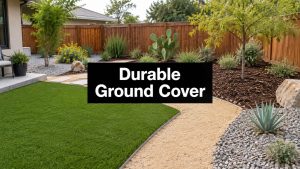
A better move is to narrow the palette and build around durable performers suited to each area of the yard. If you want ideas beyond traditional turf, these drought-resistant lawn alternatives are a useful starting point. The key is restraint. More species usually means more complexity, more adjustments, and more maintenance.
Choosing Your Low-Maintenance Plant Palette
Plant selection is where low-maintenance landscaping in Florida either gets easy or gets expensive.
UF/IFAS-aligned guidance for technically strong outdoor designs centers on hydrozoning, which means grouping plants with similar light, soil, and water needs so irrigation can be managed by zone. Florida Water Star explains that this approach reduces supplemental irrigation, maintenance, nutrient applications, and stormwater runoff in its landscape criteria manual.
Stop designing by impulse
The right plant palette starts with the site, not your Pinterest board.
Walk the property and separate it into real conditions:
- Full sun and fast-draining soil
- Part shade near the house or under trees
- Wet zones where water lingers after storms
- Hot reflective spots near driveways, patios, or walls
- Windy or exposed areas
- Salt-influenced areas in coastal settings
Once you know the conditions, choose a limited group of hardy plants for each zone and repeat them. That repeated massing is what keeps the yard cleaner and easier to maintain over time.
Think in zones, not individual plants
A lot of bad planting plans are built one specimen at a time. That's backwards.
Group by shared needs. Put dry-loving plants together. Put shade-tolerant plants together. Keep anything that needs more water in one manageable area instead of scattering it across the property. That's hydrozoning in plain English, and it matters because irrigation can then be dialed in by section instead of wasting water across the whole yard.
Here's the shortcut a pro uses:
- Map sunlight first. Light is less negotiable than preference.
- Check drainage second. Wet roots kill the wrong plants fast.
- Choose a short plant list. Tough, repeatable, and easy to source again.
- Avoid high-pruning plants near walks and windows. If it constantly needs cutting back, it wasn't the right pick.
- Use larger structural plants carefully. A strong framework reduces visual clutter and maintenance when placed well.
If two plants need completely different care, they shouldn't share the same irrigation zone.
Native plants matter, but they aren't the whole answer
Native plants adapted to local conditions generally need little to no irrigation or fertilizer once established. That makes them a strong foundation. But “native” doesn't automatically mean “low maintenance” if the plant is shoved into the wrong exposure, packed too tightly, or used in a design that's hard to service.
That's why I don't push a plants-only philosophy. Some areas should be planted. Some should be mulched. Some should become hardscape. And some should stop pretending they're good lawn areas at all.
Efficient Irrigation and Mulching Techniques
The easiest way to waste money in a Florida yard is to water everything the same way.
Spray heads blasting shrubs, turf zones soaking plant beds, and timers running on habit instead of need create constant problems. You get weak roots, more weeds, runoff, and plants that never settle into a stable pattern. Smart low-maintenance landscaping in Florida uses irrigation as a precision tool, not a blanket treatment.
Water the root zone, not the whole yard
For planted beds, drip irrigation is usually the cleaner choice because it delivers water where plants need it instead of wetting every inch of exposed soil. That helps keep weed pressure down and reduces splash onto foliage. It also makes hydrozoned planting plans work the way they're supposed to.
For lawn areas, separate zones matter. Turf, foundation beds, and accent areas should not be tied together on one schedule. If they are, one area always gets the wrong amount of water.
If you're dealing with standing water, runoff, or soggy edges near beds, fix that before upgrading irrigation hardware. A proper drainage plan saves more frustration than another timer ever will. These yard drainage solutions for problem areas help show what to address before the next heavy rain exposes the same issue again.
Mulch does more than make the beds look finished
Good mulch is one of the simplest low-maintenance tools in Florida. It helps soil hold moisture, moderates surface temperature, and suppresses a lot of weed germination.
Use it intentionally:
- Refresh thin spots so bare soil doesn't become a weed nursery.
- Keep it off trunks and stems so you don't trap moisture where it shouldn't sit.
- Match the mulch to the look of the home so it reads as a design choice, not an afterthought.
Mulch also improves day-to-day cleanliness. Beds look sharper, irrigation stays more efficient, and maintenance crews spend less time fighting scattered weeds in open soil.
Beds with exposed soil almost always create more work than beds that are mulched properly.
One detail most homeowners miss
Yard upkeep and pest prevention overlap more than people think. Dense wood debris, moisture buildup, and neglected bed edges can create conditions you don't want near the house. If you're reviewing bed maintenance around the foundation, this South Florida termite prevention advice is worth reading because it reinforces the value of dry, clean, well-managed outdoor areas around structures.
Rethinking Your Lawn Artificial Turf vs Grass
I'll depart from the usual Florida landscaping script.
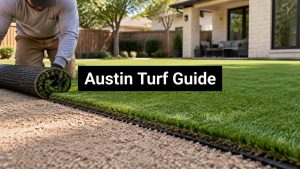
A lot of articles act like the only respectable answer is swapping turf for native beds. That works in some yards. It does not solve every yard. If you want a consistently green, usable lawn area without mowing, edging, mud, bare patches, fertilizer schedules, and constant irrigation attention, artificial turf deserves a serious look.
That isn't a shortcut. It's often the most honest solution.
Where natural grass still struggles
Natural grass can look great when the site supports it and the owner accepts the upkeep. But many Florida lawn areas aren't ideal. They're too shady, too sandy, too heavily used, too narrow to mow comfortably, or too exposed to heat and wear. In those spots, grass becomes a maintenance trap.
Native plant beds are another strong option, especially where you want habitat value and softer planting design. But they don't function like open lawn. Kids don't play on them the same way. Pets don't use them the same way. They aren't the answer if what you really want is a clean, durable green surface.
For homeowners still trying to maintain natural grass, this slow release lawn fertilizer guide is useful context because it shows how much ongoing input turf usually demands when you stick with a conventional lawn.
Low-Maintenance Lawn Options Compared
| Feature | St. Augustine Grass | Native Plant Beds | Professional-Grade Artificial Turf |
|---|---|---|---|
| Mowing | Regular mowing required | No mowing | No mowing |
| Water demand | Ongoing irrigation attention | Lower once established if chosen well | No irrigation for growth |
| Fertilizer needs | Ongoing lawn care input | Typically lower with adapted choices | No fertilizer for turf surface |
| Weed pressure | Common | Manageable with design and mulch | Minimal on the surface when installed well |
| Traffic tolerance | Can wear out in active zones | Not suited for open play areas | Strong option for repeated foot traffic |
| Appearance consistency | Can thin, brown, or patch | Beautiful, but not lawn-like | Consistent green lawn look |
| Best use case | Homeowners willing to maintain turf | Landscape-focused yards | Clean, usable lawn areas with minimal upkeep |
My recommendation
If you love gardening, use planted beds where they make sense. If you want a lawn look without a lawn workload, stop apologizing for considering turf.
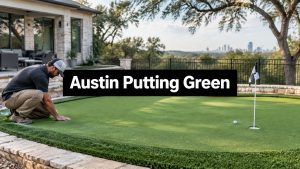
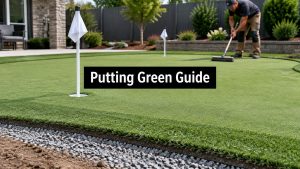
The best installations aren't the fake-looking products people remember from years ago. They're used strategically in front yards, dog runs, side yards, putting greens, courtyards, and hard-to-mow areas where real grass keeps failing. If you're weighing both options, this breakdown of artificial turf vs natural grass helps clarify where each one performs best.
Your Seasonal Low-Maintenance Calendar
July hits. The rain won't quit, weeds jump overnight, and one broken sprinkler head turns a simple yard into a weekend chore list. That cycle is what a poor setup creates in Florida.
A smart Florida yard runs on short checkups, small corrections, and a few seasonal tasks. It does not need constant rescue. UF/IFAS makes the same point in its UF/IFAS guidance on low-input landscape design. Good design and proper plant placement cut labor more than piling on extra materials or forcing high-care choices into the wrong spot.

What an easier year looks like
If your outdoor space is built well, your calendar stays simple.
Spring
- Light pruning to shape shrubs and remove cold damage
- Irrigation check for leaks, clogged heads, and wasted spray
- Plant replacements only where something clearly failed its location
Summer
- Water checks based on rainfall, heat, and drainage performance
- Pest inspection before stress turns into plant loss
- Fast weed control in beds, joints, and edges before growth spreads
Fall
- Storm cleanup and branch removal
- Mulch refresh where coverage has thinned
- Selective feeding for plants that need it, not a blanket treatment across the whole property
Winter
- Frost protection for sensitive material
- Cutback and cleanup in planting areas that need a reset
- Lower irrigation runtime as temperatures ease and growth slows
Artificial turf makes this schedule even lighter in the right zones. You skip mowing, feeding, and turf recovery. You still rinse, brush, and clear debris when needed, but that workload is far smaller than keeping real grass alive through Florida heat, rain swings, shade, wear, and sandy soil.
The standard to aim for
Aim for predictable upkeep.
That means no weekly surprises, no rotating replacement bill, and no yard that falls apart after every hard rain. Clean bed lines, controlled plant sizes, proper drainage, and smart turf placement cut the workload before it starts. That is why professional design matters. Homeowners usually focus on what looks good on install day. Pros build for what still works in August, after storms, and three years later.
Good low-maintenance design turns yard work into scheduled upkeep instead of repeated cleanup.
When to Hire a Professional for Your Project

You spend a Saturday fixing one problem, then Florida rain exposes three more. Water pools near the patio. A bed washes out. The grass thins again in the same worn spots. That is the point where DIY stops saving money.
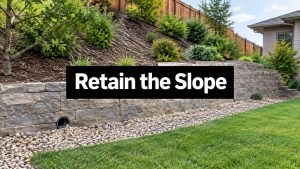
Handle the simple work yourself. Refresh mulch. Swap out a few struggling plants. Clean up edges. Call a professional when the job affects grading, drainage, irrigation layout, turf conversion, retaining areas, full-yard redesign, or material selection across multiple zones.
Those decisions control the workload for years. A bad slope pushes water toward the house. Poor plant placement creates constant trimming and replacement. Weak turf prep leads to drainage problems, visible seams, and early wear. In Florida, the hidden construction matters more than the pretty finish.
Pros solve the problems homeowners do not see
Homeowners usually judge the visible layer first. Mulch, pavers, plants, edging, turf.
A seasoned installer looks below and around those materials:
- Base preparation under turf and hardscape
- Drainage flow during heavy rain
- Irrigation zoning matched to actual plant needs
- Spacing and scale so plants fit the space years from now
- Access planning for trimming, cleanup, and repairs
That is where low maintenance is won or lost.
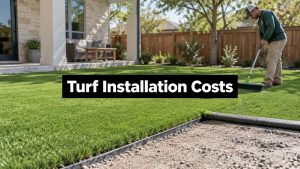
This matters even more if you want a yard that uses less real grass. Plenty of Florida properties do better with a mix of tough plants, hardscape, and artificial turf in the right areas. That approach cuts mowing, reduces irrigation demand, and avoids the constant recovery cycle that beats up natural lawn in heat, shade, pet zones, and narrow side yards. The catch is simple. Turf only performs well when the base, drainage, edges, and transitions are installed correctly.
Hire help when you want fewer chores, not just a new look
A professional should do the job when your goal is long-term relief. You are not paying for a drawing or a plant list. You are paying for a yard that drains correctly, fits your property, and stops creating repeat chores.
That usually costs less than patching the same problems every season. Good design and installation remove friction from ownership. Your outdoor space looks better, but more importantly, it asks less from you.
If you're ready to stop patching the same yard problems and want a cleaner, lower-maintenance outdoor space, schedule a consultation with Modern Yard Landscapes. They can help you evaluate turf, drainage, and yard design options that fit how you use your property, so your yard looks sharp without demanding your weekends.