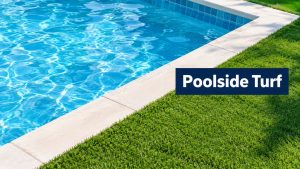

You walk outside, look across the yard, and see three problems at once. One corner stays soggy after rain, the grass near the driveway looks thin, and the area your dog uses has turned into a worn path. That's the moment you might start searching for lawn maintenance tips, not because you want a perfect lawn, but because you want a yard that looks cared for without becoming a second job.
Good lawn care usually comes down to a few connected decisions. How water moves through the yard. How compacted the soil has become. How high you mow. Whether you're trying to keep natural turf healthy or reduce maintenance with artificial turf in the right spots. Small adjustments in those areas often make a bigger difference than buying another product off the shelf.
That matters because lawn care is already a regular part of home life for many people. The U.S. Golf Association notes that 81% of U.S. adults do some of their own lawn care, and 69% believe their lawn could use improvement, in its lawn care guidance from the USGA Green Section. If that sounds familiar, the list below will help you make better decisions before you spend more time or money.
1. Proper Drainage Installation and Management
If part of your lawn stays wet long after the rest of the yard dries out, drainage is the first problem to solve. Grass roots need oxygen, and waterlogged soil crowds it out. That's when you start seeing thin turf, mossy patches, mud, and in some yards, water pushing toward the house instead of away from it.
In Austin, this shows up often in clay-heavy yards where rain doesn't soak in quickly. A low backyard corner, a side yard between homes, or a lawn below a patio downspout can all become repeat trouble spots.

What good drainage changes
A proper drainage plan might include grading, a French drain, catch basins, or buried drainage tile. The right solution depends on where the water starts, where it collects, and where it can safely exit. If you only treat the puddle and ignore the slope, the problem usually comes back.
Practical rule: If water stands in the same area after ordinary rain, treat that as a drainage design problem, not just a grass problem.
A homeowner might notice the lawn dies in a strip along the fence every spring. A closer look often reveals runoff from a neighboring property or a shallow low point that keeps the soil saturated. On larger commercial sites, drainage matters even more because foot traffic compacts wet areas quickly and turns minor pooling into chronic turf loss.
- Walk the yard during rain: Watch where water enters, where it stalls, and where it leaves.
- Check roof discharge points: Downspouts often overload one part of the lawn.
- Use a permanent fix: If you need ideas, this guide on how to fix yard drainage shows the kinds of solutions that address the cause instead of the symptom.
2. Regular Aeration and Soil Compaction Relief
Some lawns look tired even when they get enough water. You water, fertilize, mow carefully, and the grass still seems weak. Often, the issue is below the surface. Compacted soil blocks air, slows water movement, and makes it harder for roots to spread.
That's common in lawns with kids, pets, frequent mowing traffic, or recent construction activity. The ground may feel hard underfoot, and after rain, water may sit on the surface instead of moving into the soil.
Signs your lawn needs aeration
Core aeration removes small plugs of soil so the lawn can breathe again. It's especially useful in high-traffic strips, around gates, near patios, and along regular walking routes. If your lawn struggles most in the same paths every year, compaction is a likely factor.
A simple example is a backyard where everyone cuts across the same route from the back door to the fence. That repeated pressure compresses the soil. The grass there often thins first, even when the rest of the lawn looks decent.
- Aerate when grass can recover: Choose a period when the lawn is actively growing.
- Water lightly beforehand: Moist soil helps the machine pull clean plugs instead of bouncing off hard ground.
- Leave the plugs: They break down naturally and return soil material to the surface.
Aeration also fits well with broader yard health. For example, reducing compaction can help limit the damp, stagnant conditions that pests like. This FullScope Pest Control guide to mosquito control explains how lawn aeration can support a less hospitable environment for mosquitoes.
3. Strategic Artificial Turf Installation for Low-Maintenance Lawns
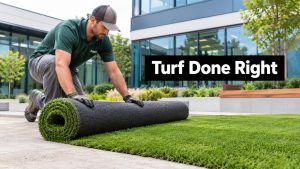
Sometimes the best lawn maintenance tip is knowing when not to keep fighting a difficult patch of natural grass. If a narrow side yard gets blasted by heat, a shady dog run turns muddy, or a front strip by the curb never looks consistent, artificial turf can be the practical answer.
That doesn't mean every yard should be converted. It means some areas cost more in effort than they're worth in natural turf maintenance.

Where turf makes sense
Artificial turf works well in places where appearance matters but growing conditions are poor or upkeep is constant. Think rooftop amenity spaces, dog runs, office courtyards, play zones, or backyard sections where irrigation limits make natural grass unreliable. In Austin, many homeowners use it for small problem zones first, then expand if they like the result.
The installation matters more than people expect. The visible surface is only part of the job. Grading, drainage, base preparation, edging, and seam work are what determine whether the finished lawn drains cleanly and holds up under use.
A low-maintenance yard still needs a high-quality base. Turf installed over poor drainage usually inherits the same problems the grass had.
If you're weighing that option, look at artificial turf installation options from Modern Yard Landscapes to see how synthetic turf fits into a broader lawn care plan. This is especially useful for homeowners who want a green yard year-round without the cycle of mowing, patching, and reseeding difficult areas.
4. Proper Soil Testing and Fertilization Programs
You spread fertilizer in spring, the lawn greens up for a while, and one corner still looks thin by early summer. That pattern usually points to a diagnosis problem, not just a fertilizer problem. Grass responds to nutrients, but it also reacts to pH, compacted soil, poor root depth, and uneven moisture.
Soil testing helps you sort those causes before you spend money on the wrong fix. A test works like a lab report for the yard. It shows whether the soil is short on nutrients, whether the pH is making those nutrients harder for roots to use, and whether one problem area differs from the rest of the lawn.
Feed the lawn based on need
Fertilizer should match the grass type, the season, and the actual soil condition. The USGA notes in its lawn care guidance that many home lawns need about 2 to 4 pounds of nitrogen per 1,000 square feet per year, usually applied in smaller amounts rather than all at once. That matters because a heavy feeding can produce quick color without building steady, durable growth.
A simple example helps. If a 2,000 square foot lawn needs 3 pounds of nitrogen per 1,000 square feet for the year, that is 6 pounds of actual nitrogen total across the season, not 6 pounds of fertilizer product. The bag weight and the nutrient weight are not the same thing. A fertilizer labeled 30-0-10 contains 30 percent nitrogen, so you have to calculate the application rate from the label instead of guessing.
That is one of the details many lawn guides skip.
Testing also helps you avoid treating every weak area as a nutrient shortage. If the front yard grows well and a shady side strip stays pale, pull separate soil samples. Mixed samples can blur the result, much like averaging two very different grades into one score that explains neither.
A practical fertilization plan usually looks like this:
- Test problem areas separately: Sunny turf, shaded turf, and pet-worn zones often have different soil conditions.
- Read the fertilizer label for actual nutrient content: The first number is nitrogen. That tells you how much product you need to apply.
- Use split applications: Smaller feedings are easier for the lawn to use and less likely to push soft growth.
- Time applications to active growth: Warm-season grass and cool-season grass do not use nutrients the same way at the same time of year.
- Watch the response for two to three weeks: Better color alone is not enough. Look for thicker growth and improved recovery after mowing.
If a lawn keeps struggling after a reasonable fertilization program, the issue often sits below the surface. A soil test can reveal low potassium, an off-range pH, or a nutrient level that already looks adequate on paper. That gives you a clearer next step and keeps fertilizer from turning into an expensive guess.
5. Strategic Mowing Practices and Height Management
Mowing seems simple until you look at what bad mowing does. Scalped grass dries faster, weeds move in quicker, and the lawn spends its energy recovering instead of thickening. Among all lawn maintenance tips, this one changes results fastest because nearly every homeowner does it regularly.
The core rule is clear. The USGA advises never removing more than one-third of the grass blade in a single mowing. That rule protects the plant from sudden stress.
Mow for conditions, not habit
The same guidance from major turf experts also makes another point people often miss. Mowing height should match grass type. Most cool-season grasses do best at around 3 inches or higher, while most warm-season grasses perform well at 1.5 to 2.5 inches, according to the earlier USGA guidance already noted.
That matters in Austin, where many lawns are warm-season turf. If summer heat is intense or watering is restricted, raising the mowing height within the healthy range can help the lawn hold up better. If you come back from vacation to overgrown grass, resist the urge to cut it all down in one pass. Bring it back gradually over multiple mowings.
Cut too low once, and the lawn may need weeks to recover.
Try alternating your mowing pattern as well. If you always mow in the same direction, wheels press the same lanes, grass starts leaning one way, and rutting can build over time. Sharp blades matter too. Torn grass tips lose moisture faster and make the lawn look grayish or frayed even right after a mow.
6. Integrated Pest and Disease Management
A lot of lawn problems get blamed on insects or disease when stress is the trigger. Grass that's cut too short, watered too often, or growing in compacted soil becomes easier for pests and pathogens to exploit. That's why smart pest control starts with maintenance habits before it moves to products.
Integrated pest and disease management means you don't treat first and inspect later. You look for the cause, confirm the issue, and choose the least disruptive response that makes sense.
Start with observation
A homeowner may notice an expanding patch of brown grass and assume grubs are the issue. But if the area sits where irrigation oversprays the sidewalk every morning, excess moisture may be the bigger problem. Another yard might have chewing damage near the fence because that zone stays dense, humid, and unmowed for too long between visits.
Good IPM looks like this in practice:
- Inspect weekly: Look for changes in color, chew marks, thinning, or fungal-looking patches.
- Check patterns: Damage near sprinkler heads, shaded corners, or compacted paths often points to a maintenance cause.
- Use targeted treatment only when needed: Blanket applications can waste money and disrupt beneficial organisms.
Healthy mowing, drainage, aeration, and watering habits reduce the number of pest problems that get serious in the first place. That's one reason these lawn maintenance tips work best as a system, not as isolated tasks.
7. Correct Watering Techniques and Irrigation Management
It often starts the same way. The lawn looks dull by late afternoon, so the sprinkler gets turned on again. A week later, the grass still seems weak, the soil feels soft, and thin spots begin showing up. The problem is often not too little water. It is water applied too often and too shallowly.
Grass responds best when watering reaches the root zone, then the soil gets time to breathe before the next cycle. That pattern works like training. If moisture is always sitting near the surface, roots stay near the surface too. If water moves deeper into the soil and the top layer later dries a bit, roots tend to follow that deeper moisture.
Early morning is usually the best window for irrigation. The water has time to soak in before midday heat increases evaporation, and the leaf blades are less likely to stay wet for long periods overnight. Evening watering can leave the lawn damp for too long. Midday watering loses more moisture before the soil can use it.
A fixed sprinkler schedule causes a lot of waste. Rainfall, shade, slope, soil type, and season all change how much water a lawn needs. Clay soil holds moisture longer than sandy soil. A narrow strip beside a driveway dries faster than the center of the yard because it takes extra heat from the pavement. Those are the details many watering guides skip, but they matter.
A simple way to check whether the lawn needs water is to inspect the soil, not just the grass color. Push a screwdriver or soil probe into the ground after watering. If it slides in easily, moisture has moved down where roots can use it. If the surface is wet but the tool stops quickly, the cycle may be too short.
Home irrigation systems also need occasional adjustment.
- Use rain sensors or smart controls: They prevent unnecessary cycles after a storm.
- Check sprinkler coverage: Overspray onto sidewalks and fences wastes water and leaves dry pockets elsewhere.
- Match run time to the soil: Heavy soils absorb water slowly, so shorter repeated cycles can reduce runoff on slopes.
- Change the schedule with the season: A spring program often overwaters in cooler weather, while summer heat may require a different approach.
One yard might run automatically three times a week all season. Another gets reviewed after rain, checked for runoff, and adjusted zone by zone. The second yard usually holds up better because the watering matches the site instead of the timer.
Good irrigation is less about how often the controller runs and more about where the water goes, how deep it reaches, and whether the soil has time to recover between cycles.
8. Thatch Management and Control
Thatch is one of those lawn terms people hear but rarely check. It's the layer of dead stems, roots, and organic material between the green grass above and the soil below. A little is normal. Too much starts acting like a barrier.
When that layer gets thick, water may bead up on top, fertilizer may not move down well, and the lawn can feel spongy underfoot. Pests and disease can also find that layer a comfortable place to hide.
How to spot a thatch problem
Use a small shovel or knife to cut a wedge from the lawn and look at the profile. You'll usually see green blades, then a tan layer, then darker soil. If the middle layer is obviously heavy and dense, that's a sign the lawn may need more than routine mowing.
Common causes include overfertilizing, shallow watering, and weak microbial breakdown in compacted soil. Lawns that get lots of synthetic input but little aeration often build that layer faster than owners realize.
- Use aeration first: It helps break the cycle by improving air and water movement.
- Avoid forcing lush top growth: Heavy feeding can encourage buildup.
- Time dethatching carefully: If the lawn is already stressed by heat or drought, aggressive removal can make recovery harder.
A homeowner who says, “The sprinkler runs but the lawn still looks dry,” may be dealing with thatch that's blocking water from reaching the root zone evenly.
9. Landscape Design Integration and Hardscaping
Saturday morning often starts the same way. You mow the main yard in half an hour, then spend another hour wrestling with a thin strip by the driveway, trimming around scattered borders, and trying not to scalp grass on a slope. In many homes, the hard part is not turf care. It is the yard layout.
A yard works like a floor plan. If the walking routes, edges, and surface changes make sense, upkeep gets faster. If grass is squeezed into narrow side strips, steep corners, or high-traffic cut-throughs, every routine task takes longer and the results usually look worse.
That is why design choices matter for maintenance.
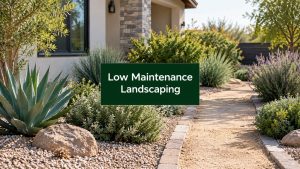
Take a back fence line that keeps washing out after rain. Re-seeding that patch each season treats the symptom, not the cause. A retaining wall, a graded planting bed, or a path that redirects foot traffic can turn a problem area into a stable one. The same logic applies to grass between a sidewalk and driveway. That strip may need edging, watering, and repair all summer while giving you almost no usable space in return.
For homeowners sorting out those trouble spots, hardscaping services in Austin can help tie retaining walls, edging, and durable outdoor surfaces into the lawn plan. If part of the goal is separating pet traffic from the main turf area, a pet-friendly artificial turf dog run solution can reduce wear in the spots natural grass struggles to survive.
Surface selection matters too. A path to the gate, a pad under trash bins, or a seating area near the house usually performs better as stone, pavers, or tile than as grass. If you are comparing finishes for those transition zones, this outdoor tiles buyer's guide is a useful starting point.
A few design fixes usually remove a surprising amount of weekly work:
- Cut out narrow grass strips: Small bands of turf create a lot of edging and very little function.
- Create clear mowing edges: Borders along beds, paths, and patios help wheels track cleanly and reduce string trimming.
- Match the surface to how people use it: Walking routes, seating zones, and erosion-prone slopes often hold up better with built surfaces or planted beds than with grass.
- Group similar areas together: Keep turf where you want open play or visual softness, and use harder materials where you expect traffic, storage, or repeated wear.
A good yard plan does not remove maintenance. It removes maintenance that never should have been there in the first place.
10. Pet-Friendly Lawn Maintenance and Dog Run Considerations
Pet owners know that a standard lawn doesn't always hold up to daily use. Repeated running paths wear down grass fast. Urine can discolor natural turf in concentrated spots. After rain, the same area can turn into mud that ends up across the patio and inside the house.
That doesn't mean you need to redesign the whole yard. But the pet zone should be treated as a high-use surface, not just another patch of lawn.

Build a lawn your dog can actually use
A durable dog area needs drainage, easy cleanup, and a surface that doesn't become a muddy trench. Some homeowners keep natural grass in the main yard and create one dedicated run with pet-focused materials. That targeted approach often solves the worst wear patterns without changing the entire yard.
Artificial turf is often a practical choice here because it avoids bare dirt and can be designed for wash-through drainage. If that's the issue you're trying to solve, pet-friendly artificial turf for dogs shows how a dedicated dog run can fit into a cleaner, easier-care yard.
Dogs don't use the lawn evenly. Design for the route they actually run, the gate they wait at, and the corner they return to every day.
A common Austin example is the side yard dog run that never dries because it gets shade, traffic, and poor airflow. Natural turf there often stays patchy. A purpose-built pet area usually performs better than repeated repair.
10-Point Lawn Maintenance Comparison
A lawn works like a system, not a single chore. If one part is off, such as drainage, mowing, or soil health, the rest has to work harder. This side-by-side comparison helps you match the problem you have with the kind of fix it usually requires.
| Strategy / Practice | 🔄 Implementation Complexity | ⚡ Resource Requirements | ⭐ Expected Outcomes | 📊 Ideal Use Cases | 💡 Key Advantages / Tips |
|---|---|---|---|---|---|
| Proper Drainage Installation and Management | High, professional site assessment, excavation, grading | High, materials, heavy equipment, skilled labor; periodic maintenance | Very high ⭐⭐⭐⭐, prevents waterlogging, disease, foundation damage | Clay soils, flood-prone yards, commercial properties in heavy-rain areas | Directs water and extends turf life; tip: ensure at least a 1% grade, use quality perforated pipe, test after first heavy rain |
| Regular Aeration and Soil Compaction Relief | Medium, seasonal timing and equipment operation | Low to medium, aerator rental or pro service; labor time | High ⭐⭐⭐, improves root depth, infiltration, and nutrient uptake | High-traffic lawns, sports fields, post-construction yards | Combine with overseeding; aerate when soil is moist and leave plugs to decompose |
| Strategic Artificial Turf Installation for Low-Maintenance Lawns | High, detailed site prep, drainage, and precise installation | High upfront, premium materials and pro installers; low ongoing water and labor | Very high ⭐⭐⭐⭐, consistent appearance, major water and labor savings | Drought-prone areas, heavy-use lawns, pet areas, commercial sites | Eliminates mowing and most watering; choose high-denier fibers, cooling technology, and plan for periodic infill replacement |
| Proper Soil Testing and Fertilization Programs | Low to medium, sample collection and lab coordination | Low, lab fees and amendment costs; periodic retesting | High ⭐⭐⭐, targeted nutrition, reduced over-application, better plant health | Established natural lawns, nutrient-deficient sites, golf greens | Test every 2 to 3 years, or annually for new plantings; submit multiple samples and follow lab recommendations |
| Strategic Mowing Practices and Height Management | Low, routine but requires consistent scheduling | Low to medium, equipment upkeep and time commitment | High ⭐⭐⭐, promotes deeper roots, reduces disease and stress | Residential lawns, warm-season grasses in Austin, regularly maintained sites | Follow the one-third rule; sharpen blades monthly; vary mowing patterns and adjust height by season |
| Integrated Pest and Disease Management (IPM) | Medium to high, ongoing monitoring and diagnosis | Medium, scouting time, biological controls, targeted treatments | High ⭐⭐⭐, reduces chemical use, protects pollinators, improves resilience | Pollinator-sensitive properties, organic sites, pet-friendly yards | Scout regularly; apply pesticides only when problems pass treatment thresholds; encourage beneficial insects |
| Correct Watering Techniques and Irrigation Management | Medium, system design, controller setup and seasonal adjustments | Medium, smart controllers, sensors, proper zoning | High ⭐⭐⭐, deeper roots, water savings, lower disease pressure | Water-restricted regions, drought climates, established lawns | Water early morning from 4 to 8 AM; aim for about 1 to 2 inches per week; use soil moisture probes and smart controllers |
| Thatch Management and Control | Medium to high, dethatching can be disruptive and timing-sensitive | Medium, specialized equipment or pro service; recovery time | Moderate to high ⭐⭐⭐, restores infiltration, reduces pests and spongy turf | Lawns with more than 0.75 inches of thatch, warm-season grasses, golf courses | Measure depth annually; dethatch during active growth and follow with overseeding |
| Design Integration and Hardscaping | High, requires design coordination and construction | High, materials, contractors, possible permits | High ⭐⭐⭐, reduces lawn area, improves drainage and curb appeal | Sloped or erosion-prone properties, low-maintenance yard redesigns, commercial sites | Use steel edging and integrated drainage; coordinate hardscape placement with planting areas so water flows where you want it |
| Pet-Friendly Lawn Maintenance and Dog Run Considerations | Medium, specialized turf choices and drainage design | Medium to high, premium pet turf, antimicrobial infill, proper drainage | Very high ⭐⭐⭐⭐, eliminates urine burn, mud, and many parasite issues | Homes with dogs, boarding facilities, multi-family properties | Select high-denier turf and antimicrobial infill; design dedicated dog runs and schedule regular rinses and cleaning |
The useful pattern here is simple. High-return fixes usually address hidden causes first, such as standing water, compacted soil, or repeated wear. Cosmetic improvements help, but structural problems decide whether the lawn keeps improving or slips back into the same cycle.
Final Thoughts
A lawn usually fails in the same places first. The back corner stays wet for days, the strip by the driveway turns thin, and the dog path becomes bare soil no matter how often seed or fertilizer goes down. Those repeat problems are clues. They point to a root cause that needs a plan, not another quick patch.
The strongest lawn maintenance routines work like preventive car care. You get better results by correcting the cause of stress before visible damage spreads. If water sits too long, fix the drainage issue first. If roots cannot push through dense soil, address compaction before expecting fertilizer to help. If grass keeps scalping in summer, adjust mowing height so the plant can shade its own roots and hold moisture longer.
That same pattern shows up in the lawn care market. Analysts at IMARC Group report that services account for 64% of U.S. lawn care market revenue in 2025, with the market projected to grow from USD 309.15 billion in 2025 to USD 488.02 billion by 2034 at a 5.20% CAGR. Analysts at Mordor Intelligence also report that maintenance services represent 91.55% of U.S. lawn care revenue in 2025, subscription contracts hold 66.45%, and online marketplaces are growing fastest at 10.94% CAGR. For homeowners, the takeaway is simple. Consistent upkeep usually costs less and works better than repeated rescue jobs.
Lower maintenance also comes from choosing the right surface for the right spot. Turf does not need to cover every square foot. A soggy side yard may perform better with drainage and stone. A narrow run used by dogs may need pet turf or another durable surface. In many homes, fewer repeated repairs also supports more actionable strategies for lower impact around the property.
If your yard keeps producing the same trouble spots, treat that pattern as useful information.
For Austin homeowners, Modern Yard Solutions is one local option for drainage work, artificial turf, hardscaping, and pet-friendly yard solutions when the goal is a lawn that looks good and asks less from you week after week.