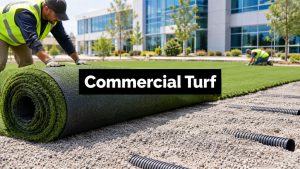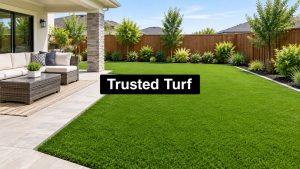

Your balcony probably isn't getting used the way you thought it would. In Austin, that happens all the time. A slab of concrete sounds fine when you sign the lease or buy the condo, then summer hits, the floor gets hot, the view loses its charm, and the space turns into storage for a chair you never sit in.
That's why fake grass for balcony projects have become so popular. Done right, turf changes the feel of the whole space. It softens hard surfaces, makes a small balcony feel intentional, and gives you a clean, usable outdoor area without mowing, mud, or weekly upkeep. Done wrong, it traps moisture, lifts in the wind, overheats, and starts looking cheap fast.
Austin balconies need a different standard than generic online advice gives you. You're dealing with punishing sun, long heat stretches, sudden storms, HOA rules, and raised surfaces that can't be treated like a backyard. If you want this upgrade to last, you need to choose the right turf, install it the right way, and avoid the shortcuts that cause most failures.
From Concrete Slab to Green Retreat
A bare balcony usually fails for one reason. It doesn't invite you outside. Concrete feels harsh, apartment railings don't help, and the whole space ends up looking temporary.
Put quality turf on that same surface and the mood changes immediately. Morning coffee feels better. Bare feet don't hit dusty concrete. A narrow balcony starts reading like a small outdoor room instead of leftover square footage.

Why Austin homeowners keep choosing it
The appeal isn't hard to understand. Artificial balcony turf is rising in regions facing water scarcity because homeowners want sustainable, low-maintenance greenery that eliminates mowing and watering according to Hall Turf's balcony turf overview.
That fits Austin perfectly. People want green space, but they don't want another chore, another hose, or another dead planter box baked by August sun.
A good balcony turf install doesn't try to copy a backyard. It turns a small urban space into something useful every day.
What a good transformation actually looks like
The best balcony projects stay simple:
- Soft surface underfoot: You step outside and the space feels finished.
- Cleaner lines: Turf hides the visual coldness of plain concrete.
- Low-maintenance routine: Blow off debris, rinse when needed, and move on.
- Better daily use: Reading, pet breaks, stretching, or just standing outside becomes more appealing.
If you're comparing options, skip outdoor carpet. It usually looks tired quickly and handles moisture poorly. Turf is the cleaner, sharper choice when the goal is a real upgrade.
If you want to understand the mechanics behind a proper setup, review a professional turf installation process before you buy anything. That alone will help you spot bad advice and avoid products that only look good in photos.
Choosing Your Perfect Balcony Turf
Most homeowners make the same mistake first. They shop by color and price. That's backwards.
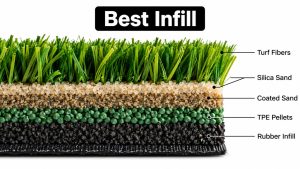
For a balcony, the decision starts with pile height, fiber material, and whether the product can handle sun, foot traffic, furniture, and regular cleaning without matting down into a plastic rug.

Start with pile height
For most balcony applications, 30 to 40 mm is the sweet spot. That range gives you the lush, freshly mown look preferred by many without getting so tall that the surface feels floppy or harder to clean. That guidance matches Exelgreen's balcony turf recommendations.
Here's the fast read:
| Pile height | Best use | My take |
|---|---|---|
| 20 to 25 mm | Purely decorative spaces | Easy to maintain, but less plush |
| 30 to 40 mm | Everyday balcony use | Best overall choice |
| 50 mm | Maximum dense look | Usually more than a balcony needs |
On a Texas balcony, I'd recommend the middle range. It looks natural, feels comfortable, and doesn't become a maintenance nuisance.
Pick the right fiber
Material matters more than people realize. It controls softness, durability, and how the turf reacts under chairs, planters, and foot traffic.
Polypropylene is usually the budget option. It can work for very light use, but it's not what I'd choose for an Austin balcony that receives regular use.
Nylon is durable, but it's often too stiff and expensive for this application.
Polyethylene gives you the balance you want. It's soft enough to feel good barefoot and durable enough for regular use.
Practical rule: For fake grass for balcony installs, polyethylene is usually the safest recommendation if you want comfort and durability in the same product.
Exelgreen also notes that polyethylene is the most popular choice for balconies, and I agree. For homeowners who want the best feel and resilience, a polypropylene and polyethylene blend is often even better because it balances structure with softness.
Don't ignore the specs that make turf last
Before you buy, check for these features:
- UV resistance: Austin sun is relentless. If the product can't handle it, fading shows up early.
- Drainage backing: Balcony turf has to shed water efficiently.
- Face weight and fiber recovery: Cheap turf crushes under furniture.
- Realistic color blend: A flat green tone almost always looks fake.
If you're comparing product categories and trying to narrow down what fits your space, this guide to artificial grass types is a good place to sort out what's built for looks versus what's built for actual use.
Critical Balcony Installation Considerations
A balcony install is not a mini backyard install. That's where DIY plans go sideways.
A balcony slab has its own drainage pattern, its own exposure to wind, and its own structural limitations. If you ignore those, the turf may still look fine on day one. Problems show up later, usually after heavy rain, intense sun, or a windy storm.
Drainage has to stay open
Water needs a path out. Not eventually. Immediately.
A balcony turf system should never choke off drains, trap moisture under the backing, or create damp zones where odor and mildew build up. This matters even more if pets use the area. The cleaner the drainage path, the easier the surface is to maintain and the less likely you are to deal with lingering smells.
A proper system usually includes careful layout around drain points, a compatible underlayer when needed, and edge finishing that doesn't block runoff.
If you want the technical side of that, read about artificial turf drainage systems. It helps to understand what should happen underneath the turf, not just what you see on top.
Wind is a real failure point
Loose-laid turf on a balcony is asking for trouble. A 2024 report by the National Wind Institute found that 52% of balcony turf systems failed due to wind uplift, especially when installed without proper anchoring methods like adhesives or mechanical fasteners in Ideal Turf's buyer guidance.
That number should end the debate on whether perimeter securing matters.
Here's what works better than guessing:
- Adhesive systems: Good for many balcony layouts when the base allows it.
- Mechanical fastening: Useful in specific conditions where added hold is needed.
- Precise edge treatment: Corners and exposed borders are where lifting starts.
Weight and building rules matter
Modern turf is lighter than many homeowners expect, but a balcony is still a structural element. Add turf, underlayment, furniture, planters, and people, and you've created a system load that should be treated seriously.
Check these before installation:
- HOA or condo rules: Some buildings care about visible changes, drains, and adhesives.
- Surface condition: Cracks, coating failure, or poor slope can't be hidden under turf and forgotten.
- Use case: A reading nook and a pet potty zone need different planning.
If a contractor doesn't ask about drain locations, wind exposure, and building rules, they're not planning a balcony install. They're planning a shortcut.
Safety and Upkeep for Your Balcony Lawn
A balcony lawn only works if it stays comfortable, clean, and predictable. That's especially true in Austin, where heat punishes every outdoor surface.
The biggest homeowner worries are legitimate. Will it get too hot? Will it smell if the dog uses it? Will it be a pain to clean? The short answer is this: quality materials and smart setup solve most of it. Cheap turf creates most of the complaints.
Heat is the issue most guides underplay
On balconies high up in strong sun, surface temperature climbs fast. In high-sun climates like Austin, synthetic turf on high-level balconies can reach surface temperatures 15 to 25°F higher than ground-level lawns, which is why ProGreen recommends UV-inhibited, cooling-infused turf products for safety and comfort.
That's the part generic guides miss. Upper-level balconies don't get the benefit of soil cooling below. They're often surrounded by reflective walls, metal railings, and radiant heat from the slab itself.
What to choose if your balcony gets blasted by sun
If your balcony faces west or gets long afternoon exposure, don't buy the cheapest roll you can find online. Look for:
- UV-inhibited fibers: Better protection against harsh sunlight.
- Cooling-infused turf products: A smarter choice for comfort in Texas.
- Lighter, realistic blade tones: They often present less visual heat than dark, shiny fibers.
- Proper airflow below the turf: Useful in sun-heavy installations.
If you have pets or kids using the space barefoot, this isn't optional. It's a safety decision.
Hot turf isn't just uncomfortable. It changes how often you use the balcony at all.
Keep cleaning simple and consistent
Balcony turf maintenance should be easy. If it's not, something about the material or drainage was wrong from the start.
A workable routine looks like this:
- Clear leaves and dust regularly. A broom, blower, or soft brush keeps debris from settling in.
- Rinse the surface as needed. Especially after storms, pollen buildup, or pet use.
- Clean pet areas promptly. Fast cleanup prevents odor from setting into the surface.
- Brush traffic lanes occasionally. This helps fibers stand up where chairs or foot traffic press them down.
For pet owners, I strongly recommend designing the cleaning routine before installation. Decide where the pet will go, how runoff will move, and how you'll access the area with a hose or cleaning solution. That's how you avoid the smell complaints people blame on “all turf” when poor planning was to blame.
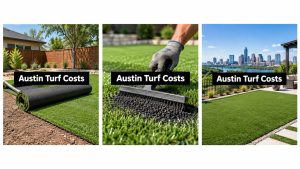
The True Cost of a Balcony Transformation
The price of a balcony turf project depends on choices, not just square footage. Homeowners often focus on the roll price and ignore the install conditions. That's where budgets get blown up.
A simple rectangle balcony with clean drainage access is one job. A high-rise balcony with tricky corners, exposed edges, HOA requirements, and custom anchoring is a different job entirely.
What drives the real price
The biggest cost variables are usually:
- Turf quality: Better fibers, stronger backing, and heat-conscious products cost more for a reason.
- Balcony shape: Tight corners, curves, and cutouts increase labor.
- Drainage needs: If the slab needs correction or protection around drains, installation gets more technical.
- Access: Carrying materials through stairs, elevators, and narrow entries changes labor time.
- Edge securing: Wind-exposed balconies need more than a casual laydown.
If you're also reworking the whole outdoor space, it helps to compare turf spending against adjacent upgrades. A guide on your decking budget can be useful when you're weighing turf against deck tiles or mixed-surface designs.
Why cheap installs usually cost more later
Homeowners often get burned. Manufacturers often claim long product life, but while manufacturers claim a 10 to 20 year lifespan, real-world wear often reduces this to approximately 8 years, and the quality of the initial installation and materials plays a key role in maximizing lifespan and return on investment.
That doesn't mean every balcony turf install fails early. It means a bad install shortens the useful life of the product you paid for. Wrinkles, edge lift, drainage problems, trapped moisture, and crushed fibers all make a project age faster.
DIY versus professional value
Here's the honest breakdown.
| Approach | Upfront spend | Risk | Long-term value |
|---|---|---|---|
| DIY | Lower at first | High on balconies | Depends heavily on execution |
| Professional install | Higher at first | Lower | Usually better if drainage, anchoring, and fit matter |
If this were a small backyard practice strip, I'd say some homeowners can handle it. A balcony is different. The install quality determines whether the turf feels like a finished upgrade or a temporary patch.
Why Professional Installation Is Not a Luxury
Balcony turf is one of those projects that looks easier than it is. You measure, cut, roll it out, and call it done. That's the fantasy.
Balcony work demands judgment. You need to know how the slab drains, how the edges should be secured, how the turf will react to Austin heat, and whether the material you picked is even right for a high-up, exposed surface.
What professionals actually solve
A good installer does more than lay turf flat. They solve the hidden problems before they become expensive ones.
- They protect drainage paths: Water has to leave the surface cleanly.
- They account for wind exposure: Especially on upper floors and open corners.
- They fit the turf precisely: Bad cuts and weak seams are what make installs look amateur.
- They choose the right product for the use case: Pet area, lounge area, decorative finish, or high-traffic entry.

Why trust matters here
Most homeowners don't call because they need someone to unroll turf. They call because they want the job done once, done cleanly, and done without guessing whether the balcony will smell, bubble, trap water, or start peeling up after the next storm.
That's where trust gets built. Clear answers. Straight recommendations. No vague promises. If someone installing fake grass for balcony projects can't explain how they'll handle heat, wind, drainage, and your building constraints, you shouldn't let them touch the space.
You're not paying for labor alone. You're paying for fewer mistakes, better material choices, and a result you won't second-guess every time it rains.
When it's time to bring in an expert
Bring in a pro if any of these are true:
- Your balcony gets intense afternoon sun
- You're above ground level and exposed to wind
- You have pets using the surface
- Your HOA or condo board has installation rules
- Your balcony has drains, corners, or unusual edges
If that sounds like your setup, it makes sense to speak with fake grass installers in Austin, TX who work on these conditions regularly instead of relying on one-size-fits-all advice from colder or milder climates.
Your Balcony Turf Decision Checklist
If you want a balcony upgrade that looks sharp and holds up, keep your decision process simple and disciplined.
Use this before you buy anything

- Measure the space accurately. Get the full dimensions, then note door swings, drains, corners, and rail posts.
- Check HOA and building rules. Confirm what's allowed before materials show up.
- Decide how you'll use it. Decorative only, daily lounging, pet relief area, or a mix.
- Match turf to the conditions. For most balconies, a lush mid-range pile and polyethylene-based product is the right direction.
- Look at sun exposure. West-facing Austin balconies need better heat planning than shaded units.
- Think through cleaning before installation. Especially if pets will use the area.
- Plan for wind exposure. Corners and edges need real anchoring, not hope.
- Set a budget around value, not just materials. Good turf installed badly is still a bad project.
- Ask direct questions. How will water drain? How will edges be secured? What product is best for this balcony?
- Schedule a free, no-obligation consultation with a local turf expert. That's the fastest way to avoid buying the wrong product and wasting money on a bad install.
A good balcony turf project should make your outdoor space easier to enjoy, not give you one more thing to manage. Keep the materials quality high, the installation standards strict, and the planning grounded in Austin conditions.
If you want straight answers about fake grass for balcony upgrades in Austin, contact Modern Yard Landscapes. They're fully insured, they offer a total satisfaction guarantee, and they know how to build turf systems that account for heat, drainage, pets, access challenges, and the realities of upper-level urban spaces. If you're ready to turn a hot concrete balcony into a clean, usable retreat, schedule a consultation and get a plan that fits your space the first time.